What is Chana (Chickpea)?
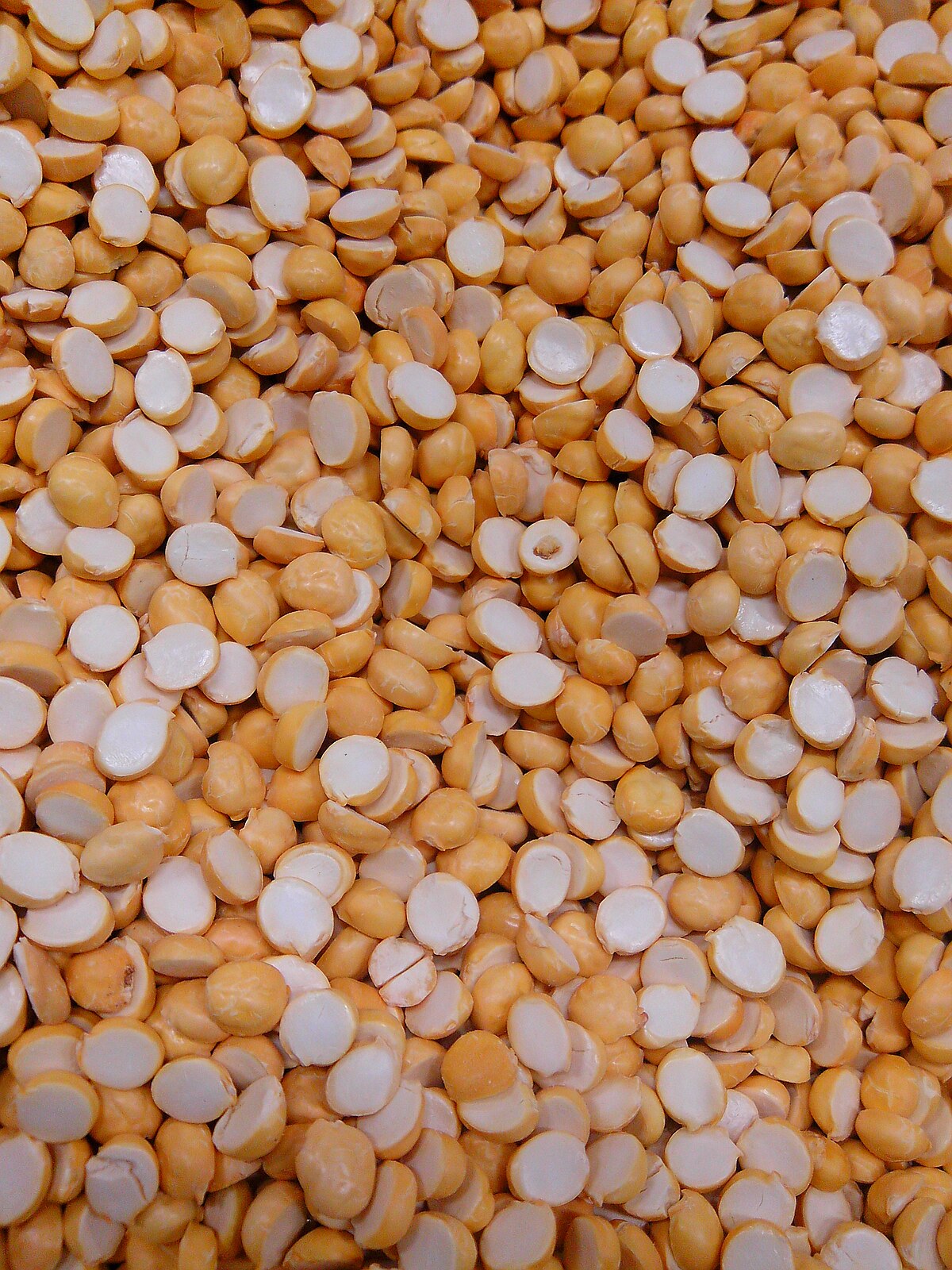
Chana, commonly known as chickpea (Cicer arietinum), is a leguminous plant belonging to the family Fabaceae. It is one of the earliest cultivated legumes, with archaeological evidence dating back over 7,500 years. This annual plant produces small, spherical seeds within pods, typically ranging in color from light tan to dark brown or black.
Widely consumed globally, chickpeas are a staple in various cuisines and are prized for their nutritional value, being a rich source of protein, dietary fiber, and essential minerals. They are grown primarily in India, Pakistan, Turkey, and Australia, and play a significant role in both human diets and sustainable agricultural practices due to their nitrogen-fixing properties.
Other Names of Chickpea
- Bengal gram
- Garbanzo bean
- Egyptian pea
- Ceci bean
- Chiche (French)
- Ceci (Italian)
- Hommes (Arabic)
Heading
<h3> Absolute Contraindications of Chana (Chickpea) </h3> <h4> Known chickpea (garbanzo) allergy - people with confirmed allergy</h4> <ul> <li> ⚠️ <li> Recommendation: Do not consume chickpeas or chickpea products; carry and follow emergency allergy plan (antihistamines/epinephrine) if you have a history of systemic reactions. <li> Reasoning: Clinical and laboratory studies identify specific IgE-reactive chickpea proteins and report systemic allergic reactions, including anaphylaxis; sensitized individuals react to cooked chickpea proteins too. <li> Scientific_Study_Title: Identification and Characterization of IgE-Reactive Proteins and a New Allergen (Cic a 1.01) from Chickpea (Cicer arietinum) <li> Scientific_Study_Authors: Andrea Wangorsch, Anuja Kulkarni, Annette Jamin, Jelena Spiric, Julia Bräcker, Jens Brockmeyer, Vera Mahler, et al. <li> Scientific_Study_Link: https://pubmed.ncbi.nlm.nih.gov/32875712/ <li> Scientific_Study_Excerpt: <p>The authors systematically identified multiple IgE-reactive chickpea proteins (including PR-10, vicilin-containing fractions and a DC-8 protein later named Cic a 1) and showed that sera from chickpea-allergic patients bind these proteins. IgE sensitization patterns were heterogeneous but present in both raw and boiled chickpea extracts, demonstrating that allergenic proteins can persist after cooking. The work supports clinically relevant allergic responses to chickpea in sensitized individuals and documents potential cross-reactivity with other legume allergens.</p> </ul> <h4> Peanut / other legume allergy with known cross-reactivity risk [People with peanut/pea/lentil allergy]</h4> <ul> <li> ⚠️ <li> Recommendation: If you have diagnosed peanut, pea or lentil allergy, avoid chickpea until allergy testing (skin/IgE) or allergist guidance confirms safety. <li> Reasoning: Experimental cross-inhibition and IgE-binding studies show immunologic cross-reactivity between chickpea and other legumes (pea, lentil, soybean, hazelnut), meaning someone allergic to one legume may react to chickpea. <li> Scientific_Study_Title: Food allergy and cross-reactivity-chickpea as a test case <li> Scientific_Study_Authors: (authors as listed on PubMed entry) <li> Scientific_Study_Link: https://pubmed.ncbi.nlm.nih.gov/25038702/ <li> Scientific_Study_Excerpt: <p>Immunoblot and inhibition assays demonstrated cross-reactive IgE binding between chickpea proteins and proteins from pea, lentil, soybean and hazelnut. Inhibition experiments showed that extracts from pea/lentil can suppress IgE binding to chickpea globulin allergens, indicating shared epitopes. Clinically, chickpea allergy often co-occurs with lentil/pea allergy, and cross-reactivity can increase the risk of allergic reactions in sensitized individuals.</p> </ul> <h4> Food-dependent exercise-induced anaphylaxis (FDEIA) linked to legumes - those with prior FDEIA to legumes</h4> <ul> <li> ⚠️🏃♀️ <li> Recommendation: Avoid consuming chickpeas before exercise if you have documented FDEIA to legumes; consult an allergist for testing and a personalised plan. <li> Reasoning: Case reports and reviews describe legumes (including chickpea) triggering exercise-related anaphylaxis-food by itself may be tolerated but becomes dangerous when combined with exertion. <li> Scientific_Study_Title: Legume Allergens Pea, Chickpea, Lentil, Lupine and Beyond <li> Scientific_Study_Authors: (authors as listed on PubMed entry) <li> Scientific_Study_Link: https://pubmed.ncbi.nlm.nih.gov/38990406/ <li> Scientific_Study_Excerpt: <p>Reviewing recent reports, the authors highlight increasing cases of allergic reactions to non-priority legumes, including chickpea, and note instances of severe reactions associated with exercise (food-dependent exercise-induced anaphylaxis). The review emphasises that legumes can cause reactions ranging from mild oral allergy to life-threatening anaphylaxis under certain cofactors such as exercise, NSAID use or alcohol.</p> </ul> <h3> Relative Contraindications of Chana (Chickpea) </h3> <h4> Irritable bowel syndrome / FODMAP sensitivity (bloating, gas, abdominal pain)</h4> <ul> <li> 💨 <li> Recommendation: If you have IBS with known FODMAP sensitivity, limit portions of chickpea or choose canned/rinsed and well-cooked versions, or try small portions of canned/hummus which may be better tolerated; discuss a low-FODMAP plan with a dietitian. <li> Reasoning: Chickpeas contain fermentable oligosaccharides (GOS, other FODMAPs) that are rapidly fermented by gut bacteria, causing gas, bloating and pain in sensitive individuals. <li> Scientific_Study_Title: Fermentable oligosaccharides, disaccharides, monosaccharides and polyols (FODMAPs) and nonallergic food intolerance: FODMAPs or food chemicals? <li> Scientific_Study_Authors: Peter R. Gibson, Susan J. Shepherd (as in PubMed entry) <li> Scientific_Study_Link: https://pubmed.ncbi.nlm.nih.gov/22778791/ <li> Scientific_Study_Excerpt: <p>This paper summarises evidence that fermentable oligosaccharides, disaccharides, monosaccharides and polyols (FODMAPs) can provoke abdominal pain, bloating, wind and altered bowel habits via osmotic and fermentation effects, and that a low-FODMAP diet improves symptoms in many patients with IBS. Legumes, including chickpeas, are identified as common sources of fermentable oligosaccharides implicated in symptom provocation.</p> </ul> <h4> Low iron status / iron-deficiency risk (plant-iron bioavailability issues)</h4> <ul> <li> 🩸 <li> Recommendation: If you have iron-deficiency anemia, consume chickpeas alongside vitamin C-rich foods and use processing methods (soaking, sprouting, fermentation, long cooking) to lower phytic acid; monitor iron labs with your clinician. <li> Reasoning: Chickpeas contain phytic acid, which binds iron and other minerals and reduces their absorption; processing and dephytinization improves iron bioavailability. <li> Scientific_Study_Title: Iron Fortification and Bioavailability of Chickpea (Cicer arietinum L.) Seeds and Flour <li> Scientific_Study_Authors: (authors as listed on PubMed entry) <li> Scientific_Study_Link: https://pubmed.ncbi.nlm.nih.gov/31540391/ <li> Scientific_Study_Excerpt: <p>The authors examined iron fortification strategies for chickpea products and reported that iron bioavailability from chickpea can be limited by intrinsic inhibitors (notably phytic acid). Fortification (e.g., NaFeEDTA) and processing improved both iron concentration and bioavailability in prepared chickpea foods, illustrating that native chickpea iron is not always well absorbed without specific measures.</p> </ul> <h4> Chronic kidney disease with strict potassium restriction</h4> <ul> <li> 🧾 <li> Recommendation: If you are on a medically required low-potassium diet (e.g., advanced CKD), discuss portion limits with your renal dietitian-small servings may be allowed but unrestricted intake can be problematic. <li> Reasoning: Chickpeas are relatively high in potassium; large or frequent servings may contribute substantial dietary potassium load. <li> Scientific_Study_Title: Nutritional composition, health benefits and bio-active compounds of chickpea (Cicer arietinum L.) <li> Scientific_Study_Authors: (authors as listed in the Frontiers review) <li> Scientific_Study_Link: https://www.frontiersin.org/articles/10.3389/fnut.2023.1218468/full <li> Scientific_Study_Excerpt: <p>Comprehensive nutrient analyses show chickpeas contain substantial minerals including potassium (reported ranges ~700-1200 mg per 100 g dry seed depending on genotype). Given this mineral density, chickpeas can meaningfully contribute to daily potassium intake and should be portioned carefully in diets where potassium must be limited.</p> </ul>
Heading
<h4> Gas, bloating, flatulence</h4> <ul> <li> 💨 <li> Side effect summary: Some people experience increased gas, bloating and abdominal discomfort after eating chickpeas; symptoms are dose-dependent and worse if chickpeas are undercooked or consumed in large amounts. <li> Recommendation: Reduce portion size, use canned (rinsed) chickpeas, soak/sprout and cook thoroughly, add digestive spices (cumin, hing, ginger) or consider enzyme supplements (α-galactosidase) after discussing with a clinician. <li> Reasoning: Fermentable oligosaccharides in chickpeas are metabolised by gut bacteria producing gas and luminal distension in sensitive people (e.g., IBS). <li> Severity Level: Mild <li> Scientific_Study_Available: Yes <li> Scientific_Study_Title: Fermentable oligosaccharides, disaccharides, monosaccharides and polyols (FODMAPs) and nonallergic food intolerance: FODMAPs or food chemicals? <li> Scientific_Study_Authors: Peter R. Gibson, Susan J. Shepherd <li> Scientific_Study_Link: https://pubmed.ncbi.nlm.nih.gov/22778791/ <li> Scientific_Study_Excerpt: <p>The review explains that fermentable carbohydrates-oligosaccharides common in legumes-are fermented by colonic bacteria causing gas, bloating and changes in bowel habit; restricting high-FODMAP foods often reduces symptoms in patients with IBS. Legumes such as chickpeas are explicitly noted as common oligosaccharide sources implicated in symptom provocation.</p> </ul> <h4> Allergic reactions (from mild oral symptoms to anaphylaxis)</h4> <ul> <li> ⚠️ <li> Side effect summary: Allergic responses range from oral itching and hives to severe anaphylaxis in sensitized individuals. <li> Recommendation: Anyone with suspected allergic reaction should avoid chickpeas and seek allergy testing; carry epinephrine if prescribed for prior anaphylaxis. <li> Reasoning: Multiple chickpea proteins are IgE-reactive and can provoke systemic immune responses in sensitized people. <li> Severity Level: Severe <li> Scientific_Study_Available: Yes <li> Scientific_Study_Title: Chickpea (Cicer arietinum) proteins induce allergic responses in nasobronchial allergic patients and BALB/c mice <li> Scientific_Study_Authors: (authors as listed on PubMed entry) <li> Scientific_Study_Link: https://pubmed.ncbi.nlm.nih.gov/22285431/ <li> Scientific_Study_Excerpt: <p>In vivo and ex vivo experiments including sensitized mice and sera from skin-prick-positive patients showed systemic allergic responses to chickpea proteins, including increased IgE and histamine levels and anaphylaxis-like findings after challenge. The study documents clinically relevant allergic potential of chickpea proteins in susceptible individuals.</p> </ul> <h4> Gastrointestinal upset from raw/undercooked chickpea (nausea, discomfort)</h4> <ul> <li> 🤢 <li> Side effect summary: Eating raw or inadequately cooked chickpeas may cause stomach upset due to active lectins and protease inhibitors. <li> Recommendation: Always soak and thoroughly cook chickpeas (or use commercially canned cooked chickpeas); avoid raw chickpea products. <li> Reasoning: Chickpea seeds contain lectins and other antinutritional factors that show biological activity in vitro and can be reduced by proper processing. <li> Severity Level: Moderate <li> Scientific_Study_Available: Yes <li> Scientific_Study_Title: Characterization of chickpea (Cicer arietinum L.) lectin for biological activity <li> Scientific_Study_Authors: (authors as listed on PubMed entry) <li> Scientific_Study_Link: https://pubmed.ncbi.nlm.nih.gov/29692547/ <li> Scientific_Study_Excerpt: <p>Purified chickpea lectin shows biological activities (antioxidant, antimicrobial, enzyme interactions) in laboratory assays. While these activities suggest functional properties, the authors note that processing reduces lectin activity; thus, inadequate cooking may leave biologically active lectins that can irritate the gut or interfere with digestion.</p> </ul>
Heading
<h4> Oral α-glucosidase inhibitors / Antidiabetic agents (e.g., acarbose)</h4> <ul> <li> Interaction_Details: Chickpea lectins and enzyme inhibitors can reduce α-amylase/α-glucosidase activity and may add to the glucose-lowering effect of α-glucosidase inhibitors, potentially altering post-meal glucose responses. <li> Severity: Moderate <li> Recommendation: Monitor blood glucose closely when substantially increasing chickpea intake while on antidiabetic drugs; discuss with your clinician about possible dose adjustments or timing changes. <li> Scientific_Study_Available: Yes <li> Scientific_Study_Link: https://pubmed.ncbi.nlm.nih.gov/30919768/ <li> Scientific_Study_Title: Chickpea (Cicer arietinum) Lectin Exhibit Inhibition of ACE-I, α-amylase and α-glucosidase Activity <li> Scientfic_Study_Authors: (authors as listed on PubMed entry) <li> Scientific_Study_Excerpt: <p>In vitro assays using purified chickpea lectin demonstrated concentration-dependent inhibition of α-glucosidase and α-amylase, with IC50 values in similar ranges to acarbose for these assays. The authors conclude chickpea lectin has potential anti-hyperglycemic properties via inhibition of digestive carbohydrate enzymes, noting that in vivo confirmation is required. These enzyme-inhibiting activities suggest additive effects with pharmaceutical α-glucosidase inhibitors.</p> </ul> <h4> Oral iron supplements / iron therapy</h4> <ul> <li> Interaction_Details: Phytic acid in chickpea can bind dietary iron and reduce absorption of non-heme iron from foods and supplements taken at the same time. <li> Severity: Moderate <li> Recommendation: To maximise iron absorption, take iron supplements away from large chickpea meals (e.g., separate by 1-2 hours) and consume vitamin C-rich foods with iron; consider using processed/sprouted chickpea forms if chickpea must be eaten concurrently. <li> Scientific_Study_Available: Yes <li> Scientific_Study_Link: https://pubmed.ncbi.nlm.nih.gov/25332466/ <li> Scientific_Study_Title: Phytic acid concentration influences iron bioavailability from biofortified beans in Rwandese women with low iron status <li> Scientfic_Study_Authors: (authors as listed on PubMed entry) <li> Scientific_Study_Excerpt: <p>Although focused on beans, controlled isotope studies showed that phytic acid strongly decreases iron bioavailability and that dephytinization markedly increases iron absorption. By analogy to pulses including chickpea (which contain phytic acid), concurrent consumption of phytic-rich pulses can lower iron uptake from meals and supplements unless processing or fortification mitigates phytic acid effects.</p> </ul> <h4> Warfarin and vitamin-K antagonists</h4> <ul> <li> Interaction_Details: No direct clinical studies show chickpea causes significant INR changes, but chickpeas contain vitamin K and other nutrients that can affect overall weekly vitamin K intake if consumed inconsistently. <li> Severity: Mild <li> Recommendation: Maintain a consistent weekly intake of foods containing vitamin K; if you plan to change how much chickpea you eat regularly, inform your anticoagulation clinic so INR can be monitored and dosing adjusted if needed. <li> Scientific_Study_Available: NA <li> Scientific_Study_Link: NA <li> Scientific_Study_Title: NA <li> Scientfic_Study_Authors: NA <li> Scientific_Study_Excerpt: <p>There are no chickpea-specific clinical interaction trials with warfarin identified. However, nutrient tables and reviews list vitamin K among chickpea vitamins; standard anticoagulation guidance recommends consistent vitamin K intake to avoid INR variability. In the absence of direct interaction trials, clinical prudence is advised.</p> </ul>