Chameli (Jasmine)

Jasminum grandiflorum
Chameli (Jasmine), or Jasminum grandiflorum, is a revered flower in Ayurveda, known for its pleasant fragrance and widespread use. Traditionally, it's claimed to balance Vata and Pitta doshas. It is prevalently used for its supposed calming effects and is often incorporated into traditional formulations and aromatic therapies for various health aspects.
PLANT FAMILY
Oleaceae (Olive)
PARTS USED
Flowers, Leaves, Root
AYURVEDIC ACTION
Vata ↓, Pitta ↓, Kapha =
ACTIVE COMPOUNDS
Benzyl acetate (25-30%)

What is Chameli (Jasmine)?

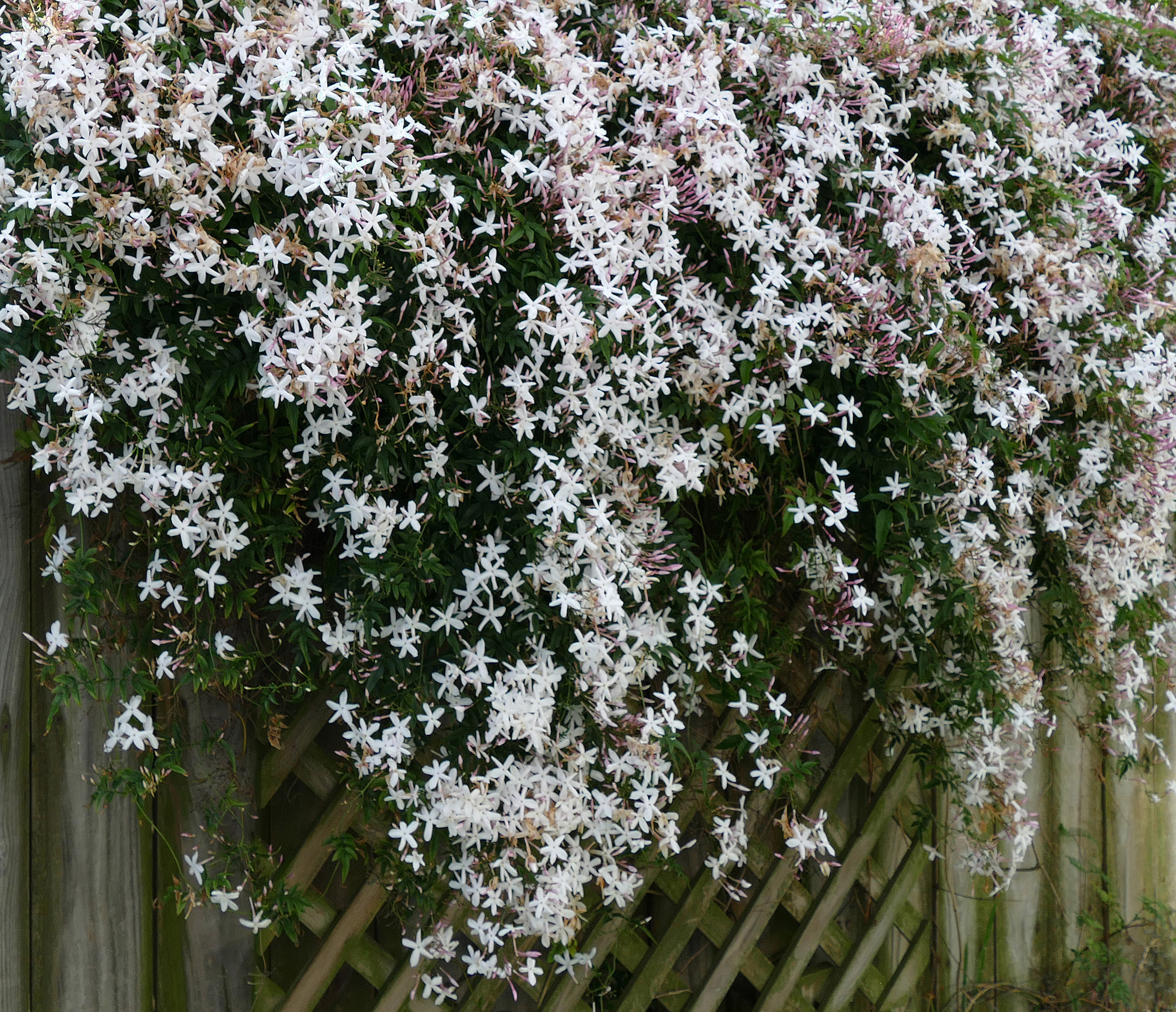
Chameli, commonly known as Jasmine, refers to various species within the genus *Jasminum*, belonging to the Oleaceae (Olive) family. These plants are widely recognized for their intensely fragrant flowers, which are often white or yellow. Native to tropical and warm temperate regions of Eurasia, Australasia, and Oceania, jasmines can be climbing vines or sprawling shrubs.

Cultivated globally for ornamental purposes, essential oils, and in traditional medicine, jasmine flowers are often used in perfumes, teas, and religious ceremonies. The plant's distinctive aroma and delicate appearance have made it a symbol of beauty and purity across many cultures.

Other Names of Chameli (Jasmine)

  • Common Jasmine
  • Poet's Jasmine
  • Jessamine
  • Mogra (for Jasminum sambac)
  • Spanish Jasmine
Common Jasmine

Benefits of Chameli (Jasmine)

Heading

<h3> Absolute Contraindications of Chameli (Jasmine) </h3> <h4> Breastfeeding suppression (if you want to maintain milk supply)</h4> <ul> <li>🍼 <li>Recommendation: Do not apply jasmine flowers or strong jasmine preparations to the breasts if you intend to continue breastfeeding; seek alternatives for local breast care. <li>Reasoning: Traditional and clinical evidence shows topical jasmine applied to the breast can reduce serum prolactin and decrease milk production; this can suppress lactation in postpartum women. <li>Scientific_Study_Title: Suppression of puerperal lactation using jasmine flowers (Jasminum sambac). <li>Scientific_Study_Authors: Chandrasekaran, K.; (et al.) [authors listed in PubMed entry]. <li>Scientific_Study_Link: https://pubmed.ncbi.nlm.nih.gov/3214386/ <li>Scientific_Study_Excerpt: <p>This comparative clinical study evaluated application of jasmine flowers to the breasts versus oral bromocriptine for suppression of postpartum lactation. The authors found that jasmine flower application produced a significant reduction in serum prolactin and comparable clinical suppression of milk production and breast engorgement to bromocriptine in the study groups. Although bromocriptine reduced prolactin more strongly, both treatments had similar clinical success and comparable failure rates. The study suggests topical jasmine may be an effective lactation-suppressing agent when suppression is desired, and thus should be avoided when continued breastfeeding is intended.</p> </ul> <h4> Known fragrance or essential-oil allergy / contact dermatitis</h4> <ul> <li>⚠️ <li>Recommendation: If you have a history of fragrance allergy, eczema, or sensitive skin, avoid topical jasmine products and perform patch testing under guidance before any skin use. <li>Reasoning: Jasmine oils and absolutes have been documented to sensitize and cause allergic airborne and contact dermatitis in susceptible people. <li>Scientific_Study_Title: Allergic airborne contact dermatitis from essential oils used in aromatherapy. <li>Scientific_Study_Authors: Frosch, P. J.; Kastner, M.; Rustemeyer, T. (as listed on PubMed entry). <li>Scientific_Study_Link: https://pubmed.ncbi.nlm.nih.gov/8565250/ <li>Scientific_Study_Excerpt: <p>This case-report style study describes patients who developed allergic airborne contact dermatitis attributed to essential oils used in aromatherapy; one patient tested positive to jasmine among other oils. The authors document persistent dermatitis linked to inhaled/topical exposure to volatile oils and emphasise that repeated domestic use (diffusers, lamps) can maintain exposure and prolong disease. The report cautions that fragrances including jasmine absolute are established sensitizers and that patch testing and avoidance are required management steps for affected individuals.</p> </ul> <h4> Active bleeding disorders or concurrent anticoagulant therapy (high bleeding risk)</h4> <ul> <li>🩸 <li>Recommendation: Avoid medicinal/therapeutic oral or concentrated extracts of Chameli if you have a bleeding disorder or are taking anticoagulants (warfarin, DOACs); consult your physician before use. <li>Reasoning: Preclinical studies show Jasminum extracts can prolong coagulation times and increase bleeding/clotting times, indicating potential to increase bleeding risk or interact with blood-thinning medications. <li>Scientific_Study_Title: Evaluation of Anti-clotting and thrombolytic potential of the aqueous-methanolic extract of Jasminum sambac. <li>Scientific_Study_Authors: [authors as per PubMed record]. <li>Scientific_Study_Link: https://pubmed.ncbi.nlm.nih.gov/36861238/ <li>Scientific_Study_Excerpt: <p>In this animal study (rabbits), oral administration of aqueous-methanolic Jasminum sambac extract increased prothrombin time (PT), activated partial thromboplastin time (APTT), bleeding time and clotting time in a dose-dependent manner and demonstrated in vitro clot lysis versus standard urokinase. Phytochemical analysis linked rutin, quercetin and salicylic acid to the observed anticoagulant and thrombolytic activity. The findings support the potential for Jasminum preparations to alter haemostasis and urge caution with bleeding disorders or concurrent anticoagulant therapy.</p> </ul> <h3> Relative Contraindications of Chameli (Jasmine) </h3> <h4> Pregnancy (use cautiously; avoid concentrated/internal/excessive preparations)</h4> <ul> <li>🤰 <li>Recommendation: Avoid internal or strong topical/inhaled jasmine preparations during pregnancy unless advised by an obstetric provider; small culinary use (e.g., jasmine tea) is less likely to be harmful but evidence is limited. <li>Reasoning: Reviews of essential oils describe possible reproductive-system effects and the potential for certain volatile constituents to alter hormones or uterine activity; specific safety data for jasmine in pregnancy are limited and inconsistent, so conservative avoidance is advised. <li>Scientific_Study_Title: Maternal Reproductive Toxicity of Some Essential Oils and Their Constituents (review). <li>Scientific_Study_Authors: (authors as per PubMed record). <li>Scientific_Study_Link: https://pubmed.ncbi.nlm.nih.gov/33673548/ <li>Scientific_Study_Excerpt: <p>This review summarises experimental and toxicologic data for several essential oils and constituents that can affect pregnancy outcomes (abortifacient, teratogenic, hormone-modulating effects). While jasmine is not singled out as universally dangerous, the paper highlights that essential oil constituents can cross the placenta or stimulate uterine activity depending on composition and dose. Because many oils contain powerful bioactive constituents and clinical safety data in pregnant humans are inadequate, the authors recommend caution and avoidance of non-essential therapeutic use during pregnancy.</p> </ul> <h4> Diabetes treated with glucose-lowering drugs (monitor closely)</h4> <ul> <li>🩺 <li>Recommendation: If you are on diabetes medications, consult your clinician before using concentrated Jasminum extracts or high-dose preparations; monitor blood glucose more frequently if you start such preparations. <li>Reasoning: Preclinical data show certain Jasminum phenolic extracts improve glycemic control in diabetic animals; this suggests a possible additive effect with antidiabetic drugs and theoretical risk of hypoglycaemia. <li>Scientific_Study_Title: Phenolics Extracted from Jasminum sambac Mitigates Diabetic Cardiomyopathy by Modulating Oxidative Stress, Apoptotic Mediators and the Nfr-2/HO-1 Pathway in Alloxan-Induced Diabetic Rats. <li>Scientific_Study_Authors: [authors per PubMed record]. <li>Scientific_Study_Link: https://pubmed.ncbi.nlm.nih.gov/37513325/ <li>Scientific_Study_Excerpt: <p>In an alloxan-induced diabetic rat model, treatment with phenolic extracts from Jasminum sambac restored fasting and serum glucose toward normal, improved hyperlipidemia and reduced oxidative stress and markers of cardiomyopathy. The mechanisms implicated antioxidant pathway activation and modulation of apoptotic mediators. Because these preclinical effects included lowered glucose in diabetic animals, there is a plausible interaction risk with pharmacologic hypoglycaemic agents; clinical monitoring is recommended.</p> </ul> <h4> Respiratory disease or severe asthma (caution with inhalation/diffusion)</h4> <ul> <li>🌬️ <li>Recommendation: People with asthma, COPD, or reactive airway disease should avoid diffusing or prolonged inhalation of concentrated jasmine essential oil at home without medical advice; stop use if breathing worsens. <li>Reasoning: Case reports and series link inhaled essential oils to severe respiratory reactions (bronchospasm, acute eosinophilic pneumonia), and strong volatile scents can trigger airway irritation in sensitive people. <li>Scientific_Study_Title: Acute eosinophilic pneumonia following aromatherapy with essential oil. <li>Scientific_Study_Authors: (authors as per PubMed record). <li>Scientific_Study_Link: https://pubmed.ncbi.nlm.nih.gov/35573977/ <li>Scientific_Study_Excerpt: <p>A case report describes a patient who developed acute eosinophilic pneumonia after beginning aromatherapy with essential oils via a humidifier. Clinical, imaging, and bronchoalveolar lavage findings supported the diagnosis; symptoms abated after steroid therapy and cessation of aromatherapy. The report notes that volatile organic compounds from essential oils can provoke severe pulmonary inflammation in susceptible individuals and recommends caution in people with underlying respiratory disease.</p> </ul>

Heading

<h4> Skin allergy / contact dermatitis</h4> <ul> <li>🧴 <li>Side effect summary: Jasmine oil/absolutes can cause contact allergy or airborne contact dermatitis in sensitised people; symptoms include red, itchy rashes where oil touches skin or in areas exposed to airborne fragrance. <li>Recommendation: Stop topical use if rash or irritation develops; see a dermatologist for patch testing if reactions persist. For known fragrance allergy, avoid jasmine products. <li>Reasoning: Multiple case reports and patch-test studies identify jasmine among fragrances that sensitize and provoke dermatitis in susceptible individuals. <li>Severity Level: Moderate <li>Scientific_Study_Available: Yes <li>Scientific_Study_Title: Jasmine flower-contact dermatitis. (Report of a case) <li>Scientific_Study_Authors: (as given in PubMed entry) <li>Scientific_Study_Link: https://pubmed.ncbi.nlm.nih.gov/5567083/ <li>Scientific_Study_Excerpt: <p>This case report documents a patient who developed contact dermatitis directly linked to jasmine flower exposure; patch testing confirmed sensitization. The report situates jasmine among botanical allergens capable of eliciting localized dermatitis and highlights the need for avoidance and diagnostic patch testing. The authors emphasize that even whole flowers (not only essential oils) may cause reactions in sensitized individuals.</p> </ul> <h4> Increased arousal / transient blood pressure and heart-rate rise (when used topically/in aromatherapy)</h4> <ul> <li>💓 <li>Side effect summary: In some people jasmine aromatherapy (topical massage/inhalation) causes increased alertness with measurable rises in breathing rate, oxygen saturation and both systolic and diastolic blood pressure. <li>Recommendation: Those with poorly controlled hypertension or cardiac conditions should avoid jasmine aromatherapy without medical advice; monitor symptoms and stop use if palpitations or chest discomfort occur. <li>Reasoning: Controlled human studies measured short-term increases in autonomic arousal markers after topical application of jasmine oil compared with placebo. <li>Severity Level: Moderate <li>Scientific_Study_Available: Yes <li>Scientific_Study_Title: Stimulating effect of aromatherapy massage with jasmine oil. <li>Scientific_Study_Authors: Komori, T.; et al. (as listed on PubMed). <li>Scientific_Study_Link: https://pubmed.ncbi.nlm.nih.gov/20184043/ <li>Scientific_Study_Excerpt: <p>In a randomized trial of 40 healthy volunteers, abdominal topical application of jasmine oil during massage produced statistically significant increases in respiratory rate, blood oxygen saturation and both systolic and diastolic blood pressure versus placebo. Participants reported increased alertness and vigor. The authors interpreted these findings as evidence for a stimulating (activating) aromatherapy effect of jasmine oil on autonomic and subjective arousal parameters, and they recommended considering cardiovascular status when using jasmine aromatherapy clinically.</p> </ul> <h4> Rare severe pulmonary inflammation (from inhaled/diffused essential oils)</h4> <ul> <li>🚨 <li>Side effect summary: Rarely, inhalation of essential oils (including products used in aromatherapy) has been temporally associated with severe lung inflammation (acute eosinophilic pneumonia) requiring medical treatment. <li>Recommendation: Avoid diffuse/inhaled essential oils if you develop new cough, shortness of breath or fever after starting aromatherapy; seek urgent care for severe symptoms. <li>Reasoning: Case reports link new onset severe pulmonary inflammation to domestic aromatherapy exposure; causality is rare but plausible in susceptible hosts. <li>Severity Level: Severe <li>Scientific_Study_Available: Yes <li>Scientific_Study_Title: Acute eosinophilic pneumonia following aromatherapy with essential oil. <li>Scientific_Study_Authors: (authors listed in PubMed) <li>Scientific_Study_Link: https://pubmed.ncbi.nlm.nih.gov/35573977/ <li>Scientific_Study_Excerpt: <p>A published case report describes a patient developing acute eosinophilic pneumonia after initiating aromatherapy using essential oils in a humidifier. Clinical evaluation, imaging and bronchoalveolar lavage supported the diagnosis; symptoms resolved following corticosteroid therapy and cessation of aromatherapy exposure. The authors caution clinicians to consider inhaled volatile products as potential triggers for severe lung inflammation in susceptible individuals and recommend prompt cessation and medical evaluation when respiratory symptoms arise after starting aromatherapy.</p> </ul>

Heading

<h4> Anticoagulants (e.g., warfarin, DOACs, antiplatelet agents)</h4> <ul> <li>Interaction_Details: Preclinical studies show Jasminum extracts can prolong PT/APTT, increase bleeding/clotting times and reduce platelet adhesion; this suggests additive anticoagulant/antiplatelet effects when taken with clinical blood thinners, raising bleeding risk. <li>Severity: Severe <li>Recommendation: Avoid concurrent use of concentrated Jasminum extracts with anticoagulant or antiplatelet therapy unless supervised by a clinician; if accidental combined use occurs, monitor bleeding parameters and clinical signs closely. <li>Scientific_Study_Available: Yes <li>Scientific_Study_Link: https://pubmed.ncbi.nlm.nih.gov/36861238/ <li>Scientific_Study_Title: Evaluation of Anti-clotting and thrombolytic potential of the aqueous-methanolic extract of Jasminum sambac. <li>Scientfic_Study_Authors: (authors as listed on PubMed) <li>Scientific_Study_Excerpt: <p>In rabbit models, oral administration of aqueous-methanolic Jasminum sambac extract produced dose-dependent increases in prothrombin time (PT), activated partial thromboplastin time (APTT), bleeding time, and clotting time, while demonstrating clot lysis activity compared with standard urokinase. The extract also prolonged ADP-induced platelet adhesion in vitro. Phytochemical analysis identified rutin, quercetin and salicylic acid that may underlie the haemostatic effects. These findings indicate a plausible interaction with pharmaceutical anticoagulants and an increased bleeding risk when combined.</p> </ul> <h4> Antidiabetic agents (insulin, sulfonylureas, metformin, etc.)</h4> <ul> <li>Interaction_Details: Animal data show Jasminum phenolic extracts can lower fasting and serum glucose and improve metabolic markers; when used with glucose-lowering drugs this may produce additive glycaemic effects. <li>Severity: Moderate <li>Recommendation: If you are taking antidiabetic medications, consult your healthcare provider before starting concentrated Jasminum preparations; check blood glucose more frequently and adjust medication only under medical supervision. <li>Scientific_Study_Available: Yes <li>Scientific_Study_Link: https://pubmed.ncbi.nlm.nih.gov/37513325/ <li>Scientific_Study_Title: Phenolics Extracted from Jasminum sambac Mitigates Diabetic Cardiomyopathy by Modulating Oxidative Stress, Apoptotic Mediators and the Nfr-2/HO-1 Pathway in Alloxan-Induced Diabetic Rats. <li>Scientfic_Study_Authors: (authors per PubMed) <li>Scientific_Study_Excerpt: <p>In an alloxan-induced diabetic rat model, treatment with Jasminum sambac phenolic extracts lowered fasting and serum glucose, improved lipid profiles, reduced oxidative stress and normalized cardiac biomarkers. Mechanistic data implicated antioxidant pathway activation and modulation of apoptosis. Given these glucose-lowering effects in animals, there is a biologically plausible risk of additive hypoglycaemia if used with antidiabetic pharmaceuticals; clinical monitoring is therefore advisable.</p> </ul> <h4> Antihypertensive / vasodilator agents (ACE inhibitors, nitrates, calcium channel blockers)</h4> <ul> <li>Interaction_Details: Jasminum flower extracts demonstrate vasodilatory and cardioprotective effects in laboratory studies (endothelium-dependent relaxation); combined use with blood-pressure lowering drugs might potentiate hypotensive effects or alter hemodynamics. <li>Severity: Moderate <li>Recommendation: Use caution combining concentrated Jasminum products with antihypertensive medications; monitor blood pressure and symptoms and consult your clinician for dose adjustments when necessary. <li>Scientific_Study_Available: Yes <li>Scientific_Study_Link: https://pubmed.ncbi.nlm.nih.gov/22536286/ <li>Scientific_Study_Title: Chemical Composition, Toxicity and Vasodilatation Effect of the Flowers Extract of Jasminum sambac. <li>Scientfic_Study_Authors: (authors as listed on PubMed) <li>Scientific_Study_Excerpt: <p>Phytochemical analysis of ethanolic jasmine flower extract identified flavonoids and phenolics and demonstrated a dose-dependent vasorelaxant effect on isolated rat aortic rings preconstricted with phenylephrine. The vasorelaxation was endothelium-dependent and attenuated by atropine or nitric oxide synthase inhibition, indicating involvement of cholinergic and NO pathways. These findings support a potential for jasmine extracts to lower vascular tone and thus interact additively with antihypertensive agents in clinical settings.</p> </ul>