Brown Rice
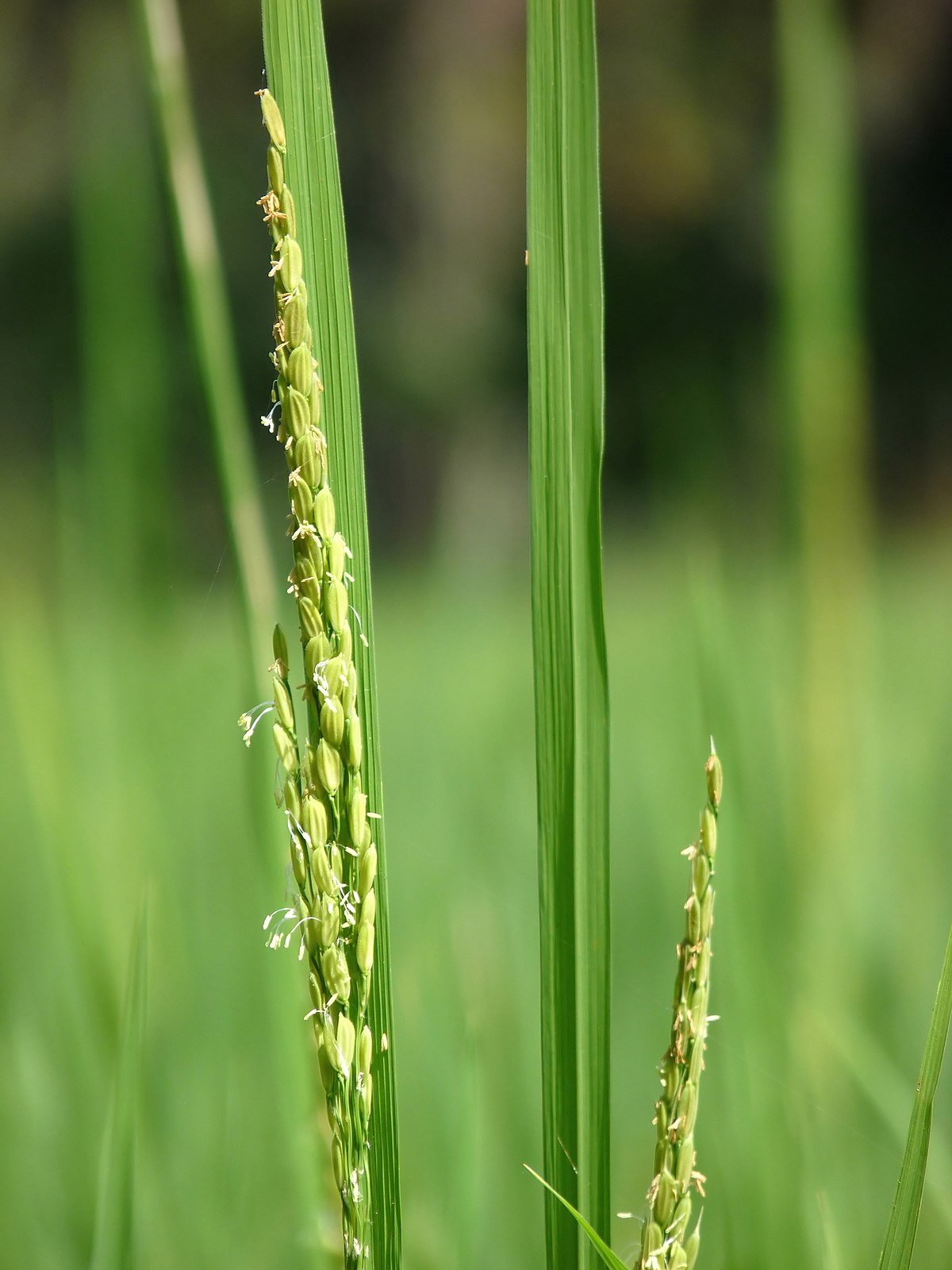
Oryza sativa
In Ayurveda, Brown Rice (Oryza sativa) is considered to increase Vata and Pitta doshas while decreasing Kapha. It is claimed to be beneficial for its higher fiber content and nutritional profile, supporting digestive health and overall well-being. This whole grain is increasingly recognized for its health benefits globally, often found in traditional and modern diets.
PLANT FAMILY
Poaceae (Grass)
PARTS USED
Seed, Bran, Hull
AYURVEDIC ACTION
Vata ↑, Pitta ↑, Kapha ↓
ACTIVE COMPOUNDS
Gamma-oryzanol (1-2%)
What is Brown Rice?
Brown rice is a whole grain rice with the outer hull removed but retaining the bran and germ layers, which are rich in nutrients. This contrasts with white rice, where these layers are polished away. Its distinct nutty flavor and chewy texture are hallmarks.
Valued for its higher fiber content and nutritional profile, brown rice is a staple in many cuisines and is increasingly recognized for its health benefits.
Other Names of Brown Rice
- Unpolished rice
- Whole grain rice
- Cargo rice
- Husked rice
Heading
<h3> Absolute Contraindications of Brown Rice </h3> <h4> Infants and toddlers (young children under ~2-3 years) [Easy words]</h4> <ul> <li>👶 <li>Recommendation: Avoid frequent or large servings of brown-rice products and rice-based infant cereals; prefer a variety of grains (oats, barley, millet, quinoa) for infants and toddlers. Limit rice snacks and rice cereal during early life. <li>Reasoning: Infants eat more food per body weight and accumulate more arsenic from rice; brown rice keeps higher inorganic arsenic in the bran so it raises infants' exposure substantially compared with other grains. <li>Scientific_Study_Title: Association of Rice and Rice-Product Consumption With Arsenic Exposure Early in Life. <li>Scientific_Study_Authors: Margaret R. Karagas, Tracy Punshon, et al. <li>Scientific_Study_Link: https://pubmed.ncbi.nlm.nih.gov/27111102/ <li>Scientific_Study_Excerpt: <p>Paraphrased key findings (from the study): In a birth-cohort analysis, infants who ate rice cereal or rice-containing snacks showed higher urinary arsenic concentrations than infants who did not consume rice. Many infants were introduced to rice cereal in the first year; rice products tested had measurable inorganic arsenic (some samples exceeding recommended limits for infant foods). The study concluded that rice-containing foods contribute meaningfully to infants’ arsenic exposure and recommended reducing such exposure during this sensitive developmental window. (Paraphrase of study findings and context.)</p> </ul> <h4> Pregnant people [Easy words]</h4> <ul> <li>🤰 <li>Recommendation: Limit frequent consumption of brown rice during pregnancy; favour grain variety, rinse rice well, use high-water cooking methods, and discuss diet with your prenatal provider if rice is a major staple. <li>Reasoning: Inorganic arsenic crosses the placenta and has been associated with adverse fetal outcomes in observational studies; because brown rice contains more arsenic than white rice, frequent intake increases maternal and fetal exposure. <li>Scientific_Study_Title: Arsenic in brown rice: do the benefits outweigh the risks? (mini-review). <li>Scientific_Study_Authors: Christian A. Scott, et al. <li>Scientific_Study_Link: https://pubmed.ncbi.nlm.nih.gov/37521417/ <li>Scientific_Study_Excerpt: <p>Paraphrased key points: The review summarizes evidence that brown rice contains higher concentrations of inorganic arsenic than polished rice because arsenic accumulates in outer grain layers. It notes human and animal studies linking prenatal arsenic exposure to negative pregnancy and developmental outcomes (including neurodevelopmental impacts and DNA damage markers). The authors recommend weighing the nutritional benefits of brown rice against the arsenic exposure risk, particularly for pregnant persons and young children, and suggest moderated intake and cooking measures to lower arsenic.</p> </ul> <h4> People consuming rice bran supplements or rice-bran concentrated products [Easy words]</h4> <ul> <li>⚠️ <li>Recommendation: Avoid rice-bran supplements or concentrated bran products unless tested for inorganic arsenic; choose whole-grain portions in normal dietary amounts rather than concentrated bran supplements. <li>Reasoning: Rice bran and bran-based supplements concentrate inorganic arsenic at much higher levels than whole-grain rice, so concentrated products can deliver a high arsenic dose. <li>Scientific_Study_Title: Inorganic arsenic in rice bran and its products are an order of magnitude higher than in bulk grain. <li>Scientific_Study_Authors: Andrew Meharg, Alan Rahman, et al. <li>Scientific_Study_Link: https://pubmed.ncbi.nlm.nih.gov/18939599/ <li>Scientific_Study_Excerpt: <p>Paraphrased key findings: Analytical testing showed rice bran and rice-bran solubles often contain inorganic arsenic concentrations many times higher than bulk rice grain. Commercial rice-bran products tested had inorganic arsenic levels that could yield meaningful daily arsenic intake at manufacturer-recommended serving sizes. The authors warn that rice bran supplements may pose a disproportionate arsenic exposure risk compared with ordinary rice consumption.</p> </ul> <h4> Residents relying heavily on rice grown in high-arsenic regions / high chronic rice consumers [Easy words]</h4> <ul> <li>🌾 <li>Recommendation: If your rice comes from regions with known soil or water arsenic contamination, reduce brown-rice portion size, diversify grains, and use rinsing/high-water cooking techniques; consider sourcing rice from lower-arsenic regions. <li>Reasoning: Brown rice preserves the bran layer that accumulates arsenic; people who eat rice daily as a major energy source have higher cumulative arsenic exposure and risk. <li>Scientific_Study_Title: Arsenic content and exposure in brown rice compared to white rice in the United States. <li>Scientific_Study_Authors: Anna L. Jackson, et al. <li>Scientific_Study_Link: https://pubmed.ncbi.nlm.nih.gov/40018851/ <li>Scientific_Study_Excerpt: <p>Paraphrased findings: Population-level analysis shows brown rice frequently contains higher inorganic arsenic concentrations than white rice and that regular brown-rice consumers can have higher estimated arsenic exposures. Because exposure risk scales with the frequency and quantity of intake and varies by rice origin, the study recommends exposure-limiting practices (diversify grains, cook to reduce arsenic) especially for high-consumption groups.</p> </ul> <h3> Relative Contraindications of Brown Rice </h3> <h4> Iron-deficiency anemia (or at-risk for low iron) [Easy words]</h4> <ul> <li>🩸 <li>Recommendation: If you have iron-deficiency anemia, avoid relying solely on brown rice as a primary iron source; prepare brown rice with vitamin-C rich foods, use soaking/germination methods, or choose fortified/alternate iron sources to improve iron uptake. <li>Reasoning: Phytic acid in brown rice binds iron and other minerals, lowering their absorption; this can make plant iron less available to correct deficiency unless processing (soaking, germination) or pairing with enhancers (vitamin C) is used. <li>Scientific_Study_Title: Influence of phytin phosphorous and dietary fibre on in vitro iron and calcium bioavailability from rice flakes. <li>Scientific_Study_Authors: J. P. Juliano, et al. <li>Scientific_Study_Link: https://pubmed.ncbi.nlm.nih.gov/17852513/ <li>Scientific_Study_Excerpt: <p>Paraphrased content: In vitro and compositional analyses show that phytate (phytin phosphorus) and some types of dietary fiber in rice products are associated with reduced in vitro measures of iron and calcium availability. The paper indicates that greater phytate content correlates with lower estimated mineral bioavailability and that processing which lowers phytate (flaking/thinning or germination) increases the proportion of bioavailable minerals.</p> </ul> <h4> Patients with hypothyroidism taking levothyroxine (timing caution) [Easy words]</h4> <ul> <li>🕰️ <li>Recommendation: If you take levothyroxine, do not take it at the same time as a high-fiber meal (including large brown-rice meals). Separate dosing by several hours or take medication on an empty stomach per your clinician’s advice; monitor TSH if diet changes substantially. <li>Reasoning: High-fiber diets (bran/whole grains) can adsorb levothyroxine in the gut and reduce its absorption, meaning medication effectiveness may fall unless dosing timing is adjusted. <li>Scientific_Study_Title: Evidence for a clinically important adverse effect of fiber-enriched diet on the bioavailability of levothyroxine in adult hypothyroid patients. <li>Scientific_Study_Authors: Yair Liel, Ilana Harman-Boehm, Shraga Shany. <li>Scientific_Study_Link: https://pubmed.ncbi.nlm.nih.gov/8636317/ <li>Scientific_Study_Excerpt: <p>Paraphrased findings: Clinical observations and in vitro work showed that dietary fiber supplements and fiber-enriched diets were associated with increased levothyroxine dose requirements in some hypothyroid patients. In vitro experiments demonstrated dose-dependent adsorption of levothyroxine onto wheat bran, supporting a mechanism of decreased bioavailability when levothyroxine is taken with high fiber intake. The authors recommend monitoring thyroid function with major dietary changes.</p> </ul> <h4> Sensitive gut/IBS with fiber-sensitivity [Easy words]</h4> <ul> <li>🤢 <li>Recommendation: If you have IBS or react to high-fiber foods, start with small portions of well-cooked/soaked brown rice or prefer white rice/low-FODMAP grains until tolerance is established; consult a dietitian for a low-FODMAP plan. <li>Reasoning: Brown rice is higher in insoluble fibre (bran) which can increase bulk and, in some IBS subtypes (especially IBS-D), worsen bloating, gas or loose stools; low-FODMAP guidance often lists rice as better tolerated than some grains, but bran itself can be problematic. <li>Scientific_Study_Title: A nutritional approach for managing Irritable Bowel Syndrome. <li>Scientific_Study_Authors: Chumpitazi & Shulman (review; multiple authors in review article). <li>Scientific_Study_Link: https://www.ncbi.nlm.nih.gov/pmc/articles/PMC5777282/ <li>Scientific_Study_Excerpt: <p>Paraphrased summary: The review explains that soluble, viscous fibres (e.g., psyllium) can benefit IBS, while insoluble, poorly fermentable fibres (e.g., bran) often do not improve symptoms and may worsen bloating in some patients. The authors note that individual responses vary and recommend tailored fibre choices (type and dose) to manage symptoms.</p> </ul>
Heading
<h4> Bloating, gas, abdominal discomfort (especially if not used to high-fibre foods)</h4> <ul> <li>💨 <li>Side effect summary: Brown rice’s higher insoluble-fibre content can cause increased stool bulk and fermentation products that produce gas and transient bloating in people who are not used to high-fibre meals. <li>Recommendation: Increase intake gradually, soak/cook rice well, drink adequate fluids, and reduce portion size if it causes discomfort; seek medical help if severe or persistent. <li>Reasoning: Insoluble bran increases stool bulk; fermentable residues produce gas through colonic bacterial action which can worsen bloating in sensitive individuals. <li>Severity Level: Mild <li>Scientific_Study_Available: Yes <li>Scientific_Study_Title: Fiber in the management of irritable bowel syndrome: systematic review and meta-analysis (excerpted in clinical guidelines review). <li>Scientific_Study_Authors: Multiple authors in guideline/review (e.g., Ford et al. included in major IBS reviews). <li>Scientific_Study_Link: https://www.ncbi.nlm.nih.gov/pmc/articles/PMC5777282/ <li>Scientific_Study_Excerpt: <p>Paraphrased content: Systematic review evidence shows that soluble, viscous fibres like psyllium improve IBS symptoms, while insoluble fibres such as bran do not provide significant benefit and may provoke adverse effects (bloating, gas) in some patients. The review emphasises choosing fibre type and dose according to IBS subtype and individual tolerance, supporting gradual introduction of whole-grain foods like brown rice when appropriate.</p> </ul> <h4> Reduced iron/zinc absorption (worsening nutrient deficiency risk)</h4> <ul> <li>🧲 <li>Side effect summary: Phytates in brown rice bind iron and zinc in the gut, lowering their absorption and potentially making it harder to correct deficiencies if diet is not adjusted. <li>Recommendation: Pair brown rice with vitamin-C rich foods, use soaking or germination techniques, or select fortified grains if iron status is a concern; consult for supplementation if clinically deficient. <li>Reasoning: Phytic acid chelates divalent minerals; processing methods can reduce phytate and improve mineral bioavailability. <li>Severity Level: Moderate <li>Scientific_Study_Available: Yes <li>Scientific_Study_Title: Influence of phytin phosphorous and dietary fibre on in vitro iron and calcium bioavailability from rice flakes. <li>Scientific_Study_Authors: J. P. Juliano, et al. <li>Scientific_Study_Link: https://pubmed.ncbi.nlm.nih.gov/17852513/ <li>Scientific_Study_Excerpt: <p>Paraphrased content: Analytical work indicates that higher phytate content in rice products correlates with lower in vitro measures of iron and calcium availability. The authors describe how phytin-phosphorus levels and dietary fibre influence mineral solubility and predicted bioavailability, suggesting that unprocessed whole-grain rice may deliver less absorbable iron than processed or fortified options.</p> </ul> <h4> Arsenic-related long-term risks (cancer, developmental effects with chronic high intake)</h4> <ul> <li>⚠️ <li>Side effect summary: Long-term frequent consumption of rice (especially brown rice or rice bran) can raise lifetime intake of inorganic arsenic, a Class 1 carcinogen, which is associated with increased cancer and other chronic-disease risks and with developmental harms when exposure occurs in early life. <li>Recommendation: Avoid excessive daily servings of brown rice over years; vary grains, rinse and cook with excess water, and avoid concentrated rice-bran supplements to reduce cumulative arsenic exposure. Pregnant people and young children should be especially cautious. <li>Reasoning: Brown rice retains bran where inorganic arsenic accumulates; frequent consumption increases cumulative exposure with associated epidemiologic and toxicologic concerns. <li>Severity Level: Severe (when exposure is chronic and high, or in vulnerable populations) <li>Scientific_Study_Available: Yes <li>Scientific_Study_Title: Arsenic in brown rice: do the benefits outweigh the risks? <li>Scientific_Study_Authors: Christian A. Scott and colleagues. <li>Scientific_Study_Link: https://pubmed.ncbi.nlm.nih.gov/37521417/ <li>Scientific_Study_Excerpt: <p>Paraphrased content: This mini-review highlights that brown rice often contains higher inorganic arsenic than white rice due to bran retention, summarizes evidence linking early-life arsenic exposure to developmental harms and later-life cancer risk, and recommends a cautious approach - especially for infants/pregnant people - while calling for risk-benefit assessments and mitigation strategies (dietary variety, cooking methods, sourcing).</p> </ul> <h4> Allergic reactions (rare; skin, respiratory, GI symptoms)</h4> <ul> <li>🤧 <li>Side effect summary: Rice allergy is uncommon in Western populations but can occur, producing skin rashes, respiratory symptoms, or GI upset in sensitized individuals. <li>Recommendation: If you experience hives, swelling, breathing difficulty, or consistent GI reactions after rice, stop rice and seek allergy testing/medical care; for severe reactions seek urgent care. <li>Reasoning: Specific rice proteins can trigger IgE-mediated responses in susceptible people; prevalence is higher where rice is a staple. <li>Severity Level: Moderate (can be Severe in anaphylaxis, but most cases are mild-moderate) <li>Scientific_Study_Available: Yes <li>Scientific_Study_Title: Rice (Oryza sativa) allergy in rhinitis and asthma patients: a clinico-immunological study. <li>Scientific_Study_Authors: M. A. B. Shad, et al. <li>Scientific_Study_Link: https://pubmed.ncbi.nlm.nih.gov/17336834/ <li>Scientific_Study_Excerpt: <p>Paraphrased content: The study screened patients with rhinitis/asthma and identified a subset with rice sensitization confirmed by skin tests and specific IgE; double-blind food challenges confirmed clinical rice allergy in several patients. The work identifies multiple rice protein bands as major allergens and documents that rice allergy, though uncommon in many Western populations, is a real immunologic phenomenon with typical allergic symptoms.</p> </ul>
Heading
<h4> Levothyroxine (thyroxine; thyroid replacement)</h4> <ul> <li>Interaction_Details: Large amounts of dietary fibre (bran, whole-grain meals like brown rice in high amounts) can adsorb levothyroxine in the gut and reduce its absorption, potentially lowering blood levels of thyroid hormone and raising TSH unless dosing/timing is adjusted. <li>Severity: Moderate <li>Recommendation: Separate levothyroxine from high-fibre meals by several hours (take levothyroxine on an empty stomach as instructed); if you increase brown-rice intake substantially, monitor TSH and discuss dose adjustment with your clinician. <li>Scientific_Study_Available: Yes <li>Scientific_Study_Link: https://pubmed.ncbi.nlm.nih.gov/8636317/ <li>Scientific_Study_Title: Evidence for a clinically important adverse effect of fiber-enriched diet on the bioavailability of levothyroxine in adult hypothyroid patients. <li>Scientfic_Study_Authors: Yair Liel, Ilana Harman-Boehm, Shraga Shany. <li>Scientific_Study_Excerpt: <p>Paraphrased findings: The study observed hypothyroid patients who required higher levothyroxine doses while consuming fibre supplements; after stopping the fibre supplement, their thyroid requirements fell. In vitro testing showed dose-dependent nonspecific adsorption of levothyroxine onto wheat bran, supporting reduced bioavailability as the mechanism. Clinicians should be alert to significant dietary fibre changes and monitor thyroid tests when patients alter high-fibre food intake.</p> </ul> <h4> (Other drug interactions - evidence limited)</h4> <ul> <li>Interaction_Details: Many drug interactions attributed to “high-fiber” diets exist (binding or altering absorption of some oral medications), but high-quality direct studies linking normal dietary brown-rice portions to specific drug failures (beyond levothyroxine) are limited. <li>Severity: Mild-NA (evidence not specific) <li>Recommendation: For drugs with narrow therapeutic windows, ask your clinician or pharmacist whether timing around high-fibre meals (including brown rice) matters; when in doubt, separate medication and large whole-grain meals by 2-4 hours. <li>Scientific_Study_Available: NA <li>Scientific_Study_Link: NA <li>Scientific_Study_Title: NA <li>Scientfic_Study_Authors: NA <li>Scientific_Study_Excerpt: <p>Paraphrased note: While dietary fibre can affect absorption for several medicines (e.g., by binding or changing transit time), direct clinical studies tying ordinary brown-rice servings to clinically important interactions beyond levothyroxine are sparse; individual drug guidance should be followed and clinicians consulted for narrow-window agents.</p> </ul>