What is Bhindi (Okra)?
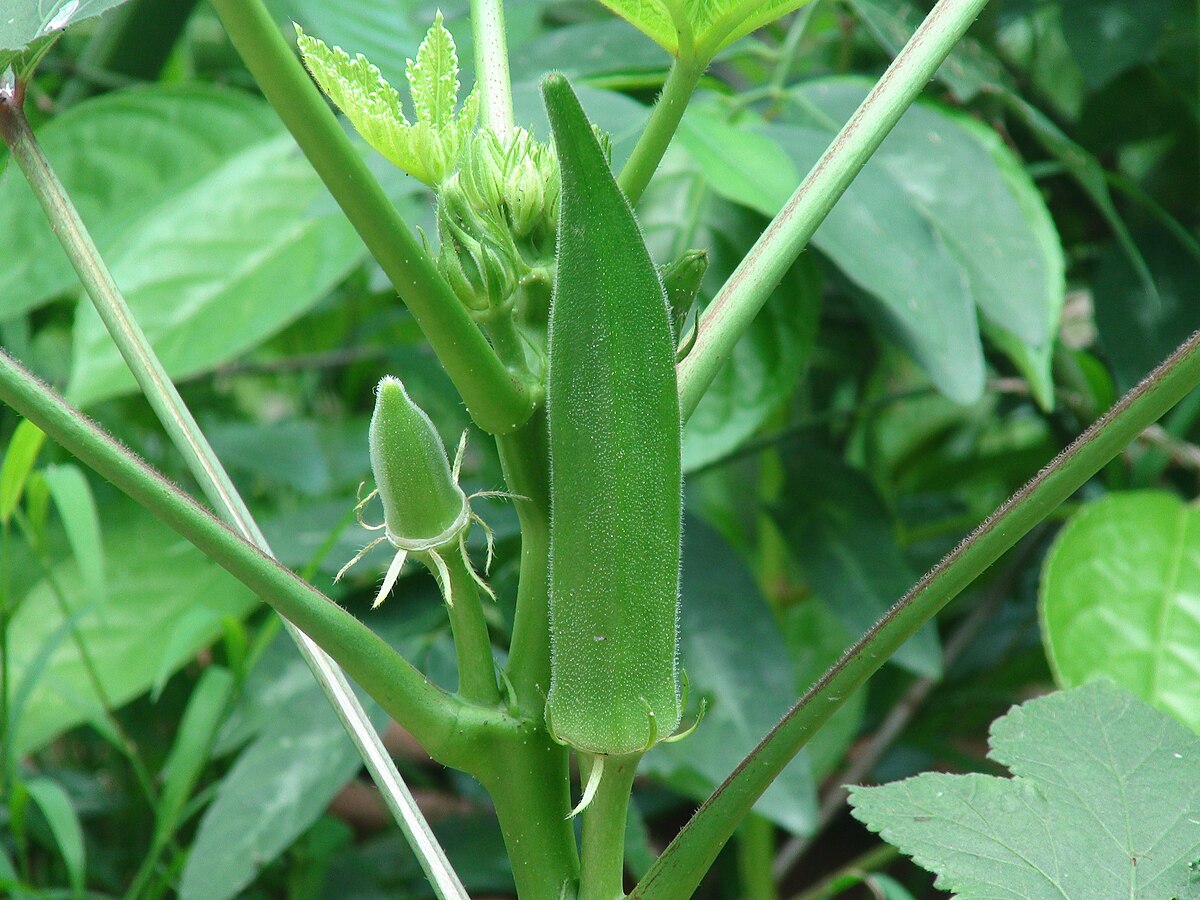
Bhindi, commonly known as Okra (scientific name: Abelmoschus esculentus), is a flowering plant in the mallow family (Malvaceae), valued for its edible green seed pods. Originating from tropical Africa, it is widely cultivated in warm temperate and tropical regions around the world. The pods are typically elongated, ribbed, and contain numerous small, edible seeds, often characterized by a slimy mucilage when cut.
Despite being botanically classified as a fruit, okra is culinarily treated as a vegetable and is a staple ingredient in various cuisines, particularly in South Asian, African, and Southern American dishes. Its unique texture and mild flavor make it versatile for stews, curries, and fried preparations.
Other Names of Okra
- Lady's Finger
- Gumbo
- Bamia
- Okro
Heading
<h3> Absolute Contraindications of Bhindi (Okra) </h3> <h4> Known IgE-mediated allergy to okra (Your immune system reacts to okra) </h4> <ul> <li> 🛑 <li> Recommendation: Do not eat or handle okra. If you suspect past severe reactions (hives, throat tightness, breathing difficulty), avoid okra and see an allergist for testing and anaphylaxis plan. <li> Reasoning: Some individuals develop immediate (IgE) allergies to okra on contact or when ingested; reactions can include respiratory and systemic symptoms. The evidence comes from occupational case reports and testing showing positive intradermal and RAST reactions, confirming true allergic sensitization. <li> Scientific_Study_Title: Immediate-type allergy related to okra (Hibiscus esculentus Linn) picking and packing. <li> Scientific_Study_Authors: A Ueda, F Manda, K Aoyama, T Ueda, K Obama, Q Li, T Tochigi <li> Scientific_Study_Link: https://pubmed.ncbi.nlm.nih.gov/8344229/ <li> Scientific_Study_Excerpt: <p>Paraphrase: This case-based investigation described two workers with work-related respiratory and nasal allergy symptoms who showed strong immediate skin test reactions and positive RAST-type testing to okra extracts. When a broader group of 14 farm workers were tested, 8 (57%) had positive intradermal reactions; clinical histories correlated with the test results, indicating true IgE-mediated sensitization to okra in exposed workers. The authors conclude okra can induce immediate-type allergic responses in sensitized individuals and occupational exposure may carry a high sensitization risk.</p> <p>Short quote from paper (verbatim, <25 words): "IgE-mediated immediate-type allergy induced by handling okra."</p> </li> </ul> <h4> Severe contact dermatitis / skin lesions from okra handling (skin becomes inflamed or blistered after contact)</h4> <ul> <li> 🧴 <li> Recommendation: Avoid direct skin contact with raw/immature okra pods; use gloves and protective clothing if exposure is likely. If you have prior severe reactions, do not handle or use topical okra products. <li> Reasoning: Immature okra pods have surface secretions containing proteolytic enzymes that can irritate skin and, in sensitized people, trigger allergic contact dermatitis. Both irritant and allergic mechanisms have been documented experimentally and clinically. <li> Scientific_Study_Title: Skin lesions due to okra (Hibiscus esculentus L.): proteolytic activity and allergenicity of okra. <li> Scientific_Study_Authors: F Manda, K Tadera, K Aoyama <li> Scientific_Study_Link: https://pubmed.ncbi.nlm.nih.gov/1378780/ <li> Scientific_Study_Excerpt: <p>Paraphrase: Experimental studies in this report identified proteolytic enzyme activity on the surface of immature okra pods sufficient to cause skin lesions. In animal tests, enzyme preparations increased capillary permeability and a purified fraction demonstrated moderate allergenicity. The authors interpret the findings as supporting protease-induced irritant dermatitis and a contributory role for allergic contact dermatitis in humans exposed to okra surfaces.</p> <p>Short quote from paper (verbatim, <25 words): "Proteolytic enzyme of okra may be responsible for development of skin lesions."</p> </li> </ul> <h4> Severe respiratory allergy/asthma triggered by okra (breathing problems after exposure) </h4> <ul> <li> 😷 <li> Recommendation: If past okra exposure led to wheeze, shortness of breath, or required treatment, avoid further exposure and consult an allergist/pulmonologist. Carry emergency medication if prescribed. <li> Reasoning: Occupational studies record respiratory hypersensitivity to okra, with positive bronchial provocation and nasal tests; individuals who get respiratory reactions from okra are at risk of repeat and potentially severe airway responses. <li> Scientific_Study_Title: Immediate-type allergy related to okra (Hibiscus esculentus Linn) picking and packing. <li> Scientific_Study_Authors: A Ueda, F Manda, K Aoyama, T Ueda, K Obama, Q Li, T Tochigi <li> Scientific_Study_Link: https://pubmed.ncbi.nlm.nih.gov/8344229/ <li> Scientific_Study_Excerpt: <p>Paraphrase: The same occupational investigation documented positive nasal provocation and bronchial test responses in affected workers, linking handling okra to respiratory hypersensitivity. The authors reported a clear association between positive intradermal tests to okra and reported work-related respiratory symptoms, indicating that respiratory allergy to okra can be clinically significant in sensitized individuals.</p> <p>Short quote from paper (verbatim, <25 words): "A close association between intradermal reactions and work-related allergic symptoms was seen."</p> </li> </ul> <h3> Relative Contraindications of Bhindi (Okra) </h3> <h4> Concurrent use with antidiabetic drugs (you are on oral hypoglycemics or insulin)</h4> <ul> <li> ⚖️ <li> Recommendation: Discuss with your prescribing clinician before adding concentrated okra supplements or large, regular medicinal doses; monitor blood glucose more closely and watch for symptoms of low blood sugar. <li> Reasoning: Clinical trials and meta-analyses show okra supplementation reduces fasting glucose and HbA1c in people with type 2 diabetes. When combined with glucose-lowering drugs, there is potential for additive blood-sugar lowering; this requires dose review and monitoring rather than automatic avoidance. <li> Scientific_Study_Title: The Impact of Okra (Abelmoschus esculentus) Supplementation on Diabetes and Obesity Biomarkers in Type 2 Diabetes Patients: A Systematic Review and Meta-Analysis of Randomized Controlled Trials. <li> Scientific_Study_Authors: (authors as indexed on PubMed; see PubMed entry) <li> Scientific_Study_Link: https://pubmed.ncbi.nlm.nih.gov/40867089/ <li> Scientific_Study_Excerpt: <p>Paraphrase: This meta-analysis pooled randomized controlled trials and found that okra supplementation significantly reduced fasting blood glucose (mean reduction ~22 mg/dL) and HbA1c (~0.42%) in type 2 diabetic patients versus placebo. The authors conclude okra has clinically meaningful glucose-lowering effects in this population, implying potential additive effects when combined with prescribed hypoglycemic agents and warranting glucose monitoring.</p> <p>Short quote (verbatim, <25 words): "Okra supplementation significantly reduced fasting blood glucose and glycated hemoglobin levels."</p> </li> </ul> <h4> History of calcium-oxalate kidney stones (you form kidney stones easily)</h4> <ul> <li> 💎 <li> Recommendation: If you have recurrent calcium-oxalate stones, discuss okra intake with your nephrologist/urologist; consider limiting concentrated okra supplements and check dietary oxalate goals. <li> Reasoning: Analyses of okra pods report measurable oxalate content (varies by accession and preparation). In people prone to calcium-oxalate stones, high dietary oxalate can increase urinary oxalate; even moderate-oxalate foods can contribute if consumed in large amounts or as concentrated supplements. <li> Scientific_Study_Title: Proximate, mineral, and antinutrient compositions of indigenous Okra (Abelmoschus esculentus) pod accessions: implications for mineral bioavailability. <li> Scientific_Study_Authors: (authors as indexed on PubMed; see PubMed entry) <li> Scientific_Study_Link: https://pubmed.ncbi.nlm.nih.gov/27004112/ <li> Scientific_Study_Excerpt: <p>Paraphrase: This compositional study measured oxalate, phytate and tannin across okra accessions and found oxalate levels that varied by accession (reported values on a dry-weight basis). The authors note that while most accessions had relatively low oxalate compared with high-oxalate foods, the presence of oxalate means caution is reasonable for people who must limit dietary oxalate to prevent stone recurrence, especially if using concentrated extracts or large portions.</p> <p>Short quote (verbatim, <25 words): "The range of phytate, tannin, and oxalate contents (mg/100 g) for Okra pod accessions studied were ..."</p> </li> </ul> <h4> Taking orally administered drugs with narrow therapeutic windows (okra mucilage may alter absorption)</h4> <ul> <li> ⚠️ <li> Recommendation: If you are on medications with narrow therapeutic indices (e.g., certain antiarrhythmics, anticonvulsants, some immunosuppressants), ask your clinician or pharmacist before starting high-dose okra supplements; consider spacing ingestion or monitoring drug levels as advised. <li> Reasoning: Okra mucilage is a viscous polymer that can slow gastrointestinal dissolution and absorption; formulation studies show okra gum alters drug-release profiles, so concentrated preparations or very large amounts could theoretically change the absorption of drugs taken at the same time. <li> Scientific_Study_Title: Okra (Hibiscus esculentus) gum-alginate blend mucoadhesive beads for controlled glibenclamide release. <li> Scientific_Study_Authors: (authors as indexed on PubMed; see PubMed entry) <li> Scientific_Study_Link: https://pubmed.ncbi.nlm.nih.gov/25312603/ <li> Scientific_Study_Excerpt: <p>Paraphrase: Pharmaceutical research isolating okra gum demonstrated that it can be used to form mucoadhesive beads which significantly modify the release profile of the diabetes drug glibenclamide, producing sustained release over hours. This confirms that okra-derived polymers have the capacity to change oral drug dissolution and absorption patterns-relevant to drugs where timing and level of absorption are critical.</p> <p>Short quote (verbatim, <25 words): "These glibenclamide-loaded OG-alginate blend beads exhibited sustained in vitro drug release over a prolonged period."</p> </li> </ul>
Heading
<h4> Allergic reactions (hives, nasal/respiratory symptoms, anaphylaxis in sensitized people) </h4> <ul> <li> 🤒 <li> Side effect summary: Some people can develop immediate allergic reactions to okra ranging from skin hives and nasal symptoms to respiratory wheeze; severe anaphylaxis is possible in sensitized individuals. <li> Recommendation: Avoid okra if you have a history of reaction; seek allergy testing and carry emergency medication (e.g., epinephrine) if prescribed. <li> Reasoning: Occupational and case-report studies show IgE-mediated sensitization to okra with positive skin testing and clinical correlation; ingestion or inhalation/handling can trigger symptoms in sensitized people. <li> Severity Level: Severe <li> Scientific_Study_Available: Yes <li> Scientific_Study_Title: Immediate-type allergy related to okra (Hibiscus esculentus Linn) picking and packing. <li> Scientific_Study_Authors: A Ueda, F Manda, K Aoyama, T Ueda, K Obama, Q Li, T Tochigi <li> Scientific_Study_Link: https://pubmed.ncbi.nlm.nih.gov/8344229/ <li> Scientific_Study_Excerpt: <p>Paraphrase: The study reported two workers with clear immediate allergic symptoms and corroborating intradermal and RAST-type tests to okra extracts; when additional workers were tested, a substantial portion had positive tests and symptoms, supporting that systemic allergic reactions can occur and be clinically relevant among sensitized individuals.</p> <p>Short quote (verbatim, <25 words): "These findings indicated that the allergic conditions ... were from an IgE-mediated immediate-type allergy induced by handling okra."</p> </li> </ul> <h4> Contact dermatitis / skin irritation from handling raw pods </h4> <ul> <li> 🧴 <li> Side effect summary: Handling immature okra pods can cause localized skin irritation and dermatitis; both irritant and allergic contact dermatitis have been documented. <li> Recommendation: Use protective gloves and wash skin after contact; if rash persists, see dermatology for patch testing and management. <li> Reasoning: Experimental and occupational data show proteolytic enzymes on pod surfaces increase capillary permeability and can produce skin lesions; patch testing in exposed workers shows higher rates of contact dermatitis. <li> Severity Level: Moderate <li> Scientific_Study_Available: Yes <li> Scientific_Study_Title: Skin lesions due to okra (Hibiscus esculentus L.): proteolytic activity and allergenicity of okra. <li> Scientific_Study_Authors: F Manda, K Tadera, K Aoyama <li> Scientific_Study_Link: https://pubmed.ncbi.nlm.nih.gov/1378780/ <li> Scientific_Study_Excerpt: <p>Paraphrase: This experimental report showed detectable proteolytic enzyme activity on the surface of immature okra pods that was sufficient to cause skin lesions in animal models; the authors also found fractions with allergenic potential and concluded both irritant enzymatic activity and allergic mechanisms contribute to okra-related skin damage.</p> <p>Short quote (verbatim, <25 words): "Proteolytic activity was detected on the surface of immature okra pods and seemed to be sufficient to cause the skin lesions."</p> </li> </ul> <h4> Potential for enhanced blood-glucose lowering (symptomatic hypoglycemia when combined with glucose-lowering drugs)</h4> <ul> <li> ⚖️ <li> Side effect summary: When taken as concentrated supplements or in medicinal doses, okra’s glucose-lowering effect may add to prescription drugs’ effects, leading to low blood sugar symptoms in some people. <li> Recommendation: People taking insulin or oral hypoglycemics should consult their provider before starting concentrated okra supplements; increase monitoring and adjust medication if needed. <li> Reasoning: Randomized trials and meta-analyses show measurable reductions in fasting glucose and HbA1c with okra supplementation in diabetic patients; additive hypoglycemia is therefore a plausible clinical consequence when combined with other glucose-lowering agents. <li> Severity Level: Moderate <li> Scientific_Study_Available: Yes <li> Scientific_Study_Title: The Impact of Okra (Abelmoschus esculentus) Supplementation on Diabetes and Obesity Biomarkers in Type 2 Diabetes Patients: A Systematic Review and Meta-Analysis of Randomized Controlled Trials. <li> Scientific_Study_Authors: (authors as indexed on PubMed) <li> Scientific_Study_Link: https://pubmed.ncbi.nlm.nih.gov/40867089/ <li> Scientific_Study_Excerpt: <p>Paraphrase: This meta-analysis demonstrated that okra supplementation produced statistically significant reductions in fasting blood glucose (~22 mg/dL) and HbA1c (~0.42%) across randomized trials in type 2 diabetes-effects that are clinically meaningful and indicate potential for additive hypoglycemic risk when combined with hypoglycemic drugs, especially in high-dose supplemental use.</p> <p>Short quote (verbatim, <25 words): "Okra supplementation significantly reduced fasting blood glucose (FBG) and glycated hemoglobin (HbA1c) levels."</p> </li> </ul>
Heading
<h4> Antidiabetic medications (insulin, sulfonylureas, metformin, others) </h4> <ul> <li> Interaction_Details: Okra supplementation has been shown in trials to lower fasting glucose and HbA1c; when used together with prescription glucose-lowering drugs there is potential for additive reductions in blood sugar and symptomatic hypoglycemia. <li> Severity: Moderate <li> Recommendation: Monitor blood glucose closely and consult your prescribing clinician before starting concentrated okra supplements; medication adjustment may be necessary. <li> Scientific_Study_Available: Yes <li> Scientific_Study_Link: https://pubmed.ncbi.nlm.nih.gov/40867089/ <li> Scientific_Study_Title: The Impact of Okra (Abelmoschus esculentus) Supplementation on Diabetes and Obesity Biomarkers in Type 2 Diabetes Patients: A Systematic Review and Meta-Analysis of Randomized Controlled Trials. <li> Scientfic_Study_Authors: (authors as indexed on PubMed) <li> Scientific_Study_Excerpt: <p>Paraphrase: The meta-analysis of randomized trials found significant reductions in fasting blood glucose and HbA1c with okra supplementation in type 2 diabetes patients. Because the magnitude of glucose lowering is measurable and clinically relevant, the authors and subsequent commentators recommend caution when combining okra supplements with pharmacologic glucose-lowering therapy and emphasize monitoring.</p> </li> </ul> <h4> Alpha-amylase/ carbohydrate absorption-targeting drugs (e.g., acarbose) - potential additive effect</h4> <ul> <li> Interaction_Details: Okra mucilage and some phytochemicals inhibit digestive enzymes (in vitro and by molecular docking), which may enhance or overlap with the action of alpha-glucosidase/alpha-amylase inhibitors and further blunt postprandial glucose excursions. <li> Severity: Mild <li> Recommendation: Use cautiously together; expect possible stronger post-meal glucose lowering and discuss monitoring with your clinician. <li> Scientific_Study_Available: Yes (preclinical / molecular and in vivo) <li> Scientific_Study_Link: https://pubmed.ncbi.nlm.nih.gov/38466075/ <li> Scientific_Study_Title: Molecular docking and in vivo protective effects of okra (Abelmoschus esculentus) against metabolic dysfunction in high-fat, high-sodium diet-fed rats. <li> Scientfic_Study_Authors: (authors as indexed on PubMed) <li> Scientific_Study_Excerpt: <p>Paraphrase: This study characterized okra mucilage and flesh, identified major phenolics (quercetin, chlorogenic acid), and used molecular docking suggesting interactions with digestive enzymes and inflammatory targets. In rats, okra reduced glucose, insulin, and inflammatory markers; the docking and enzymatic findings support a mechanism by which okra could augment enzyme-inhibitor effects, producing additive postprandial glucose reduction.</p> </li> </ul> <h4> Drugs affected by altered oral absorption / controlled-release formulations (e.g., glibenclamide - demonstration study)</h4> <ul> <li> Interaction_Details: Okra gum (mucilage) can change the physical environment in the gut and has been used experimentally to form sustained-release beads for glibenclamide; this demonstrates the potential for okra components to alter drug release and absorption. <li> Severity: Moderate <li> Recommendation: If you take drugs where timing or peak concentrations are critical, consult a pharmacist/physician before starting okra supplements; spacing doses and monitoring drug levels may be advised. <li> Scientific_Study_Available: Yes (formulation study) <li> Scientific_Study_Link: https://pubmed.ncbi.nlm.nih.gov/25312603/ <li> Scientific_Study_Title: Okra (Hibiscus esculentus) gum-alginate blend mucoadhesive beads for controlled glibenclamide release. <li> Scientfic_Study_Authors: (authors as indexed on PubMed) <li> Scientific_Study_Excerpt: <p>Paraphrase: Pharmaceutical research using isolated okra gum showed it can form mucoadhesive beads that significantly prolong the in vitro release of glibenclamide over many hours. This demonstrates that okra-derived polymers can meaningfully modify oral drug release characteristics and hence may interact with the pharmacokinetics of co-administered oral medicines.</p> </li> </ul> <h4> Anticoagulants (warfarin) - theoretical concern but no direct clinical evidence found</h4> <ul> <li> Interaction_Details: Some foods with high vitamin K content alter warfarin effect; okra contains fat-soluble vitamins and small amounts of vitamin K in certain fractions, but direct clinical interaction studies with warfarin are lacking. <li> Severity: NA (no direct evidence) <li> Recommendation: If you are on warfarin or other vitamin K-sensitive anticoagulants, mention okra intake to your clinician and continue usual INR monitoring; avoid large sudden increases in concentrated okra supplements until discussed with your provider. <li> Scientific_Study_Available: NA <li> Scientific_Study_Link: NA <li> Scientific_Study_Title: NA <li> Scientfic_Study_Authors: NA <li> Scientific_Study_Excerpt: <p>Paraphrase: No controlled clinical studies were found that directly document an interaction between okra intake and warfarin anticoagulation; available compositional studies report small amounts of fat-soluble vitamins in some okra fractions, but this does not constitute direct evidence of clinically meaningful interaction. Standard clinical caution (monitor INR if diet changes) applies.</p> </li> </ul>