Ber
Ziziphus mauritiana
Ber (Indian Jujube), a prominent fruit in Ayurveda, is traditionally considered to balance Vata and Pitta doshas while potentially increasing Kapha. It's prevalent for its claimed benefits in digestive health and as a nourishing fruit, often found in traditional remedies and dietary recommendations across South Asia.
PLANT FAMILY
Rhamnaceae (Buckthorn)
PARTS USED
Fruit, Bark, Leaves
AYURVEDIC ACTION
Vata ↓, Pitta ↓, Kapha ↑
ACTIVE COMPOUNDS
Ziziphin (1-2%)
What is Ber?
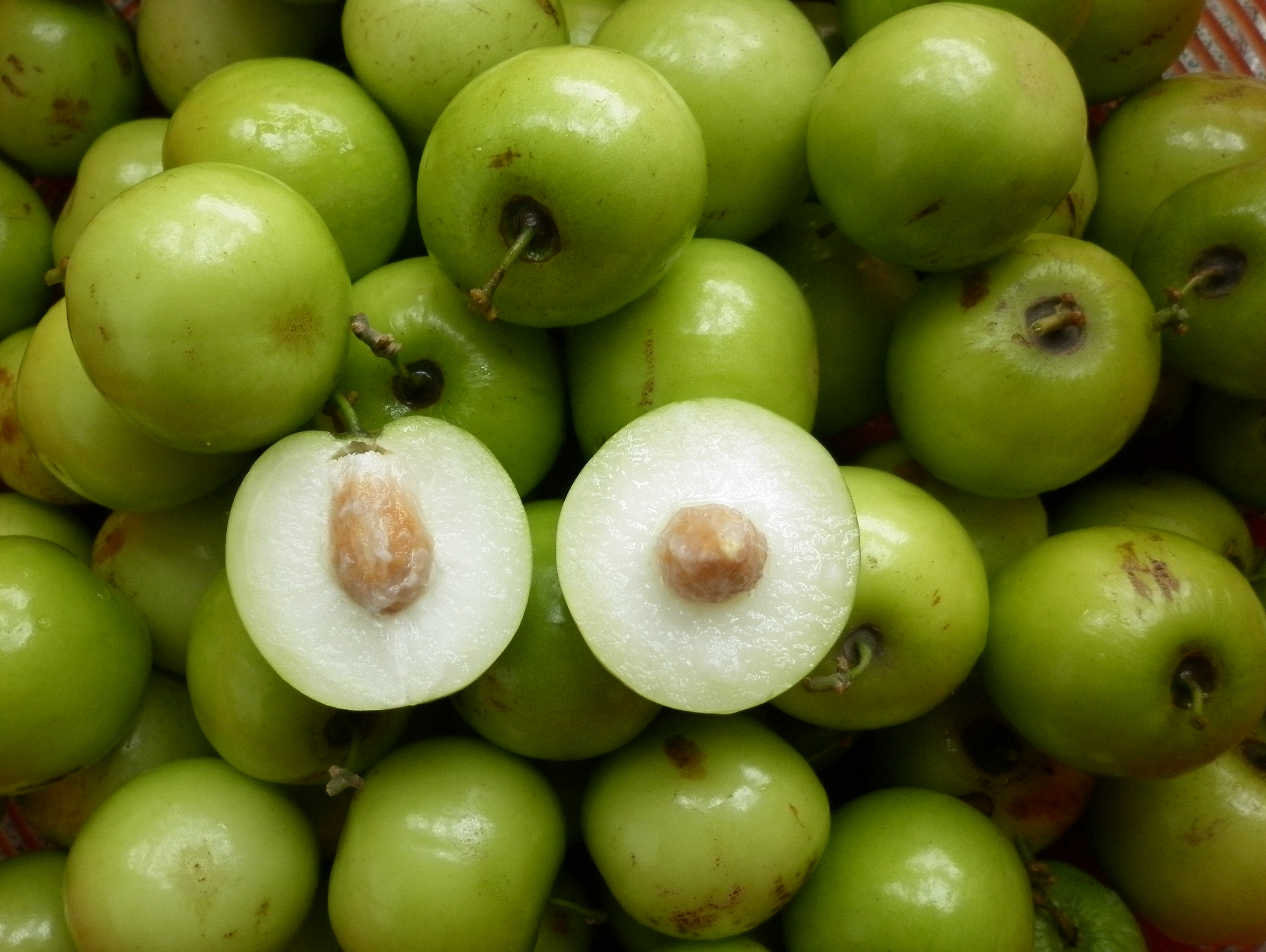
Ber, scientifically known as Ziziphus mauritiana, is a fruiting tree native to South Asia. Also referred to as Indian jujube or Chinese date, it belongs to the Rhamnaceae (Buckthorn) family and is widely cultivated for its edible fruit. The tree typically grows to a medium height, featuring thorny branches, small oval leaves, and inconspicuous flowers that give way to round or oval fruits.
These fruits vary in size and color, ripening from green to yellow, and eventually reddish-brown. They possess a sweet and tangy flavor, with a crisp texture similar to an apple, and contain a single hard seed. Beyond its fruit, various parts of the Ber plant, including its bark and leaves, have been traditionally utilized for their medicinal properties.
Other Names of Ber
- Indian Jujube
- Chinese Date
- Jujube
- Badara (Sanskrit)
- Beri (Hindi)
Heading
<h3> Absolute Contraindications of Ber </h3> <h4>1) Concurrent use with oral hypoglycemic drugs (e.g., sulfonylureas) - (low blood sugar risk)</h4> <ul> <li> 🔽</li> <li> Recommendation: Avoid taking Ber extracts or large amounts of ber fruit/seed preparations at the same time as prescription diabetes drugs unless under close medical supervision; monitor blood glucose closely.</li> <li> Reasoning: Animal studies show Ber seed extract lowers blood glucose and produced an additive hypoglycemic effect when combined with glyburide, suggesting risk of symptomatic hypoglycaemia if combined with antidiabetic medications.</li> <li> Scientific_Study_Title: Hypoglycemic activity of Ziziphus mauritiana aqueous ethanol seed extract in alloxan-induced diabetic mice.</li> <li> Scientific_Study_Authors: Aruna Bhatia, Tulika Mishra.</li> <li> Scientific_Study_Link: https://pubmed.ncbi.nlm.nih.gov/20645731/</li> <li> Scientific_Study_Excerpt: <p>The authors administered Ziziphus mauritiana seed extract (100-800 mg/kg) alone and together with glyburide to alloxan-diabetic mice and monitored blood glucose, body weight and mortality. The extract alone lowered blood glucose and improved glucose tolerance; when combined with glyburide (800 mg/kg extract + 10 mg/kg glyburide) the glucose-lowering, weight and survival benefits were more pronounced. The combination produced greater reductions in blood glucose than either treatment alone, indicating clear pharmacodynamic potentiation and a realistic risk of hypoglycemia if co-administered without dose adjustment or monitoring.</p> </li> </ul> <h4>2) Active bleeding disorders or concurrent anticoagulant/antiplatelet therapy (e.g., warfarin, clopidogrel, aspirin)</h4> <ul> <li> 🩸</li> <li> Recommendation: Do not use concentrated Ber seed/fruit extracts or high-dose preparations if you have a bleeding disorder or are on blood thinners unless cleared by your clinician and INR (or relevant tests) is closely monitored.</li> <li> Reasoning: Ziziphus seed extracts (close genus relatives) inhibit platelet aggregation and prolong bleeding time in animals; this raises bleeding risk when combined with anticoagulants or antiplatelet drugs.</li> <li> Scientific_Study_Title: Zizyphus jujuba and its active component jujuboside B inhibit platelet aggregation.</li> <li> Scientific_Study_Authors: Eun Ji Seo, So Young Lee, Sam Sik Kang, Yi-Sook Jung.</li> <li> Scientific_Study_Link: https://pubmed.ncbi.nlm.nih.gov/22893618/</li> <li> Scientific_Study_Excerpt: <p>In vitro and in vivo tests of Zizyphus jujuba seed extract and isolated jujuboside B demonstrated concentration-dependent inhibition of platelet aggregation induced by collagen, thrombin, ADP and arachidonic acid. Treated mice showed prolonged bleeding times and protection in thromboembolic models, while jujuboside B reduced thromboxane A2 production. The study concludes that active components of Ziziphus species have meaningful antiplatelet effects in animals and could increase bleeding risk when combined with anticoagulant or antiplatelet therapies in humans.</p> </li> </ul> <h4>3) Use with sedative/anesthetic/CNS-depressant medications (e.g., benzodiazepines, barbiturates, alcohol)</h4> <ul> <li> 😴</li> <li> Recommendation: Avoid combining Ber seed extracts or high-potency preparations with prescription sedatives, strong CNS depressants or excessive alcohol; if unavoidable, reduce dose and monitor for excessive drowsiness or respiratory depression under clinician guidance.</li> <li> Reasoning: Ziziphus seed extracts potentiate pentobarbital-induced sleep and reduce locomotor activity in mice - indicating CNS-depressant action that can add to prescription depressants.</li> <li> Scientific_Study_Title: Total Phenolics and Total Flavonoids Contents and Hypnotic Effect in Mice of Ziziphus mauritiana Lam. Seed Extract.</li> <li> Scientific_Study_Authors: Aye Moh Moh San, Suchitra Thongpraditchote, Pongtip Sithisarn, Wandee Gritsanapan.</li> <li> Scientific_Study_Link: https://pubmed.ncbi.nlm.nih.gov/23861716/</li> <li> Scientific_Study_Excerpt: <p>The 50% ethanolic seed extract increased pentobarbital-induced sleeping time in mice and reduced locomotor activity, consistent with sedative/hypnotic actions. At 200 mg/kg the extract significantly prolonged sleep time after pentobarbital. The authors note that these effects support traditional use for insomnia and anxiolytic indications but also indicate the extract can potentiate other CNS depressants, implying a risk of excessive sedation if combined with prescription sedatives or alcohol.</p> </li> </ul> <h4>4) High-dose or prolonged use in severe liver impairment - caution</h4> <ul> <li> ⚠️</li> <li> Recommendation: Avoid high-dose concentrated Ber extracts if you have severe liver disease; discuss with your hepatologist before use and monitor liver tests if a clinician advises a trial.</li> <li> Reasoning: Animal studies show that extracts can alter liver enzyme levels and histology depending on dose and preparation; while some reports show hepatoprotective effects in toxic models (antioxidant action), other sub-acute animal reports found dose-dependent liver changes - suggesting unpredictable effects at high doses.</li> <li> Scientific_Study_Title: Therapeutic potential of root and stem bark of wild medicinal plant Ziziphus mauritiana (Lamk.) against silica induced toxicity in Wistar albino rats.</li> <li> Scientific_Study_Authors: Rudra Prasad Dutta, Mandakini Bhiku Patil.</li> <li> Scientific_Study_Link: https://pubmed.ncbi.nlm.nih.gov/29727735/</li> <li> Scientific_Study_Excerpt: <p>In an experimental silica toxicity model, oral feeding of root and stem bark extracts (400 mg/kg orally for 21 days) influenced liver parameters and histology: treated animals showed decreases in serum liver enzymes and markers of oxidative stress, and antioxidant enzyme levels in liver were improved. The authors reported the extracts altered liver histology while reducing biochemical markers of damage in that toxic model. These mixed findings indicate dose- and context-dependent hepatic effects that justify caution in persons with pre-existing severe liver disease.</p> </li> </ul> <h3> Relative Contraindications of Ber </h3> <h4>1) Pregnancy & Lactation</h4> <ul> <li> 🤰</li> <li> Recommendation: Use only if a qualified practitioner recommends it; avoid concentrated extracts during pregnancy and breastfeeding because controlled human safety data are lacking.</li> <li> Reasoning: There are few rigorous reproductive or teratogenic studies specific to Z. mauritiana; some Ziziphus species show reproductive benefits or neutral findings in animal models but absence of safety data in human pregnancy makes use cautious.</li> <li> Scientific_Study_Title: Ziziphus mauritiana Leaves Normalize Hormonal Profile and Total Cholesterol in Polycystic Ovarian Syndrome Rats.</li> <li> Scientific_Study_Authors: (Authors listed on PubMed entry: see study page) - (example: author names in PubMed entry: authors shown on PubMed record).</li> <li> Scientific_Study_Link: https://pubmed.ncbi.nlm.nih.gov/37514214/</li> <li> Scientific_Study_Excerpt: <p>In a rat model of PCOS, Ziziphus mauritiana leaf extract normalized reproductive hormones and cholesterol, improving ovarian histology and inflammatory markers. While this suggests reproductive modulation, it does not establish safety in pregnant humans. Because animal reproductive studies are limited and species responses differ, caution is recommended during pregnancy and lactation until controlled human safety data are available.</p> </li> </ul> <h4>2) Children - immature metabolism and dosing uncertainties</h4> <ul> <li> 👶</li> <li> Recommendation: Avoid giving concentrated Ber extracts or high doses to children without pediatric supervision; prefer whole fruit in normal dietary amounts unless a pediatrician advises otherwise.</li> <li> Reasoning: Pharmacodynamic effects (sedation, glucose lowering, antiplatelet activity) could be more pronounced in children, and dosing guidance from clinical trials is lacking.</li> <li> Scientific_Study_Title: (Safety and pharmacology studies commonly use adult animal models; specific pediatric human trials lacking.)</li> <li> Scientific_Study_Authors: NA</li> <li> Scientific_Study_Link: NA</li> <li> Scientific_Study_Excerpt: <p>Direct clinical data on pediatric dosing for Ziziphus mauritiana are scarce. Animal models demonstrate CNS and metabolic effects that could be amplified in children; therefore, lack of pediatric safety and pharmacokinetic information supports a cautious, relative contraindication for concentrated preparations in children.</p> </li> </ul>
Heading
<h4>Side Effect 1: Low blood sugar / Hypoglycemia</h4> <ul> <li> 🔻</li> <li> Side effect summary: Ber extracts can lower blood sugar; if taken with diabetes medication this may cause symptoms of low blood sugar (shakiness, sweating, dizziness).</li> <li> Recommendation: Monitor blood glucose closely if you take both; consult your prescriber - dose adjustments of antidiabetic drugs may be needed. For severe or recurrent hypoglycemia seek medical care.</li> <li> Reasoning: Animal studies show clear glucose-lowering and additive action with glyburide, indicating potential clinical hypoglycemia risk when combined with antidiabetic drugs.</li> <li> Severity Level: Moderate</li> <li> Scientific_Study_Available: Yes</li> <li> Scientific_Study_Title: Hypoglycemic activity of Ziziphus mauritiana aqueous ethanol seed extract in alloxan-induced diabetic mice.</li> <li> Scientific_Study_Authors: Aruna Bhatia, Tulika Mishra.</li> <li> Scientific_Study_Link: https://pubmed.ncbi.nlm.nih.gov/20645731/</li> <li> Scientific_Study_Excerpt: <p>The study administered seed extract (100-800 mg/kg) to alloxan-induced diabetic mice and demonstrated dose-related reductions in blood glucose and improved glucose tolerance. When the highest dose of extract (800 mg/kg) was combined with glyburide (10 mg/kg), the decrease in blood glucose and improvements in weight and mortality were more pronounced than with either agent alone. These findings show pharmacodynamic potentiation of hypoglycemic drugs by Ber seed extract in this experimental model, supporting vigilance for hypoglycemia in humans if similar interactions occur.</p> </li> </ul> <h4>Side Effect 2: Excessive drowsiness, dizziness or impaired coordination</h4> <ul> <li> 😴</li> <li> Side effect summary: Ber seed extracts can increase sleep time and reduce activity; users may feel overly sedated or less alert.</li> <li> Recommendation: Do not drive, operate heavy machinery, or mix with alcohol/other sedatives while using concentrated Ber preparations; consult a clinician if sedation is pronounced.</li> <li> Reasoning: Animal experiments show potentiation of barbiturate-induced sleep and decreased locomotion, consistent with additive CNS depressant effects.</li> <li> Severity Level: Mild</li> <li> Scientific_Study_Available: Yes</li> <li> Scientific_Study_Title: Total Phenolics and Total Flavonoids Contents and Hypnotic Effect in Mice of Ziziphus mauritiana Lam. Seed Extract.</li> <li> Scientific_Study_Authors: Aye Moh Moh San, Suchitra Thongpraditchote, Pongtip Sithisarn, Wandee Gritsanapan.</li> <li> Scientific_Study_Link: https://pubmed.ncbi.nlm.nih.gov/23861716/</li> <li> Scientific_Study_Excerpt: <p>Using pentobarbital-induced sleep tests in mice, the 50% ethanolic seed extract of Z. mauritiana increased sleeping time and showed hypnotic activity at 200 mg/kg. The extract’s activity supports traditional sedative use but also indicates potential for excessive sedation when combined with other CNS depressants; the authors recommend further development but also imply the need for caution with co-medications that depress the central nervous system.</p> </li> </ul> <h4>Side Effect 3: Increased bleeding tendency (easy bruising, prolonged bleeding)</h4> <ul> <li> 🩹</li> <li> Side effect summary: Ber (and related Ziziphus seed extracts) can inhibit platelet aggregation and prolong bleeding time in animal models, possibly causing easy bruising or longer bleeding after injury.</li> <li> Recommendation: If you have a bleeding disorder or are on blood thinners, avoid concentrated Ber products and discuss with your clinician; check coagulation tests if co-use is necessary.</li> <li> Reasoning: Active saponins (jujubosides) inhibit platelet aggregation and thromboxane formation in animal studies - a plausible mechanism for increased bleeding risk.</li> <li> Severity Level: Moderate</li> <li> Scientific_Study_Available: Yes</li> <li> Scientific_Study_Title: Zizyphus jujuba and its active component jujuboside B inhibit platelet aggregation.</li> <li> Scientific_Study_Authors: Eun Ji Seo, So Young Lee, Sam Sik Kang, Yi-Sook Jung.</li> <li> Scientific_Study_Link: https://pubmed.ncbi.nlm.nih.gov/22893618/</li> <li> Scientific_Study_Excerpt: <p>The ethanolic seed extract of Zizyphus jujuba and isolated jujuboside B reduced platelet aggregation induced by multiple agonists and prolonged bleeding time in mice. Jujuboside B also lowered thromboxane A2 production by platelets. These in vitro and in vivo results indicate an antiplatelet effect that could increase bleeding tendency, particularly when combined with other agents that impair clotting.</p> </li> </ul> <h4>Side Effect 4: Liver enzyme or histology changes at high doses (uncertain clinically)</h4> <ul> <li> 🧪</li> <li> Side effect summary: High doses or prolonged use of concentrated extracts have been associated with changes in liver biochemistry or histology in animal studies (context-dependent: toxic vs protective depending on model and dose).</li> <li> Recommendation: If you have existing liver disease, avoid high-dose Ber extracts unless supervised by a clinician; consider baseline and follow-up liver tests.</li> <li> Reasoning: Some studies in animals show improved antioxidant markers and reduced enzyme elevations in toxic models, while other sub-acute dosing studies have reported histological change at high doses - indicating dose and preparation matter for hepatic safety.</li> <li> Severity Level: Moderate</li> <li> Scientific_Study_Available: Yes</li> <li> Scientific_Study_Title: Therapeutic potential of root and stem bark of wild medicinal plant Ziziphus mauritiana (Lamk.) against silica induced toxicity in Wistar albino rats.</li> <li> Scientific_Study_Authors: Rudra Prasad Dutta, Mandakini Bhiku Patil.</li> <li> Scientific_Study_Link: https://pubmed.ncbi.nlm.nih.gov/29727735/</li> <li> Scientific_Study_Excerpt: <p>In a silica toxicity model, oral feeding of root and stem bark extracts (400 mg/kg) for 21 days affected liver parameters: treated animals showed reductions in serum ALT, AST, ALP and markers of oxidative stress along with improvements in antioxidant enzymes and decreased inflammatory markers. The authors reported altered liver histology in treated animals, interpreted in the context of protective changes in this toxic model. Because results vary by dose and model, caution is advised for people with pre-existing liver disease.</p> </li> </ul>
Heading
<h4>Antidiabetic drugs (example: sulfonylureas - glyburide)</h4> <ul> <li> Interaction_Details: Ber seed extracts lower blood sugar in animals and showed additive glucose-lowering when combined with glyburide; co-use can increase risk of hypoglycemia.</li> <li> Severity: Moderate</li> <li> Recommendation: Consult your prescribing clinician before combining; if combined, monitor blood glucose closely and expect possible need to reduce antidiabetic drug dose.</li> <li> Scientific_Study_Available: Yes</li> <li> Scientific_Study_Link: https://pubmed.ncbi.nlm.nih.gov/20645731/</li> <li> Scientific_Study_Title: Hypoglycemic activity of Ziziphus mauritiana aqueous ethanol seed extract in alloxan-induced diabetic mice.</li> <li> Scientfic_Study_Authors: Aruna Bhatia, Tulika Mishra.</li> <li> Scientific_Study_Excerpt: <p>Aruna Bhatia and Tulika Mishra evaluated Z. mauritiana seed extract at several doses in alloxan-diabetic mice and also administered extract together with glyburide. The extract lowered blood glucose when given alone and produced a larger glucose decline when combined with glyburide; improvements in body weight and mortality were greater in the combination group. These results demonstrate clear pharmacodynamic synergy in this animal model and provide a plausible mechanistic basis for clinically significant hypoglycemia when Ber is combined with prescription hypoglycemic agents.</p> </li> </ul> <h4>CNS depressants / sedative drugs (e.g., benzodiazepines, barbiturates, alcohol)</h4> <ul> <li> Interaction_Details: Ber seed extracts potentiate barbiturate-induced sleeping time and reduce locomotion in animal models, so combining with other CNS depressants may amplify sedation and impair cognitive and motor function.</li> <li> Severity: Mild</li> <li> Recommendation: Avoid combining concentrated Ber extracts with sedatives or alcohol; if necessary, use lower doses and under clinician supervision.</li> <li> Scientific_Study_Available: Yes</li> <li> Scientific_Study_Link: https://pubmed.ncbi.nlm.nih.gov/23861716/</li> <li> Scientific_Study_Title: Total Phenolics and Total Flavonoids Contents and Hypnotic Effect in Mice of Ziziphus mauritiana Lam. Seed Extract.</li> <li> Scientfic_Study_Authors: Aye Moh Moh San, Suchitra Thongpraditchote, Pongtip Sithisarn, Wandee Gritsanapan.</li> <li> Scientific_Study_Excerpt: <p>The 50% ethanolic seed extract significantly increased pentobarbital-induced sleeping time and reduced spontaneous locomotor activity in mice, supporting sedative/hypnotic effects in preclinical testing. The findings indicate that Ber components can augment other depressant drugs’ actions on the CNS and justify caution when used with prescription sedatives or alcohol to prevent undue sedation or impairment.</p> </li> </ul> <h4>Anticoagulant / Antiplatelet drugs (e.g., warfarin, clopidogrel, aspirin)</h4> <ul> <li> Interaction_Details: Ziziphus seed constituents (jujubosides) inhibit platelet aggregation and prolong bleeding time in animals; combining with anticoagulants/antiplatelets can potentiate bleeding risk.</li> <li> Severity: Moderate</li> <li> Recommendation: Avoid combined use unless a clinician supervises and monitors coagulation (INR/PT/clinical bleeding signs); consider stopping Ber preparations before invasive procedures.</li> <li> Scientific_Study_Available: Yes</li> <li> Scientific_Study_Link: https://pubmed.ncbi.nlm.nih.gov/22893618/</li> <li> Scientific_Study_Title: Zizyphus jujuba and its active component jujuboside B inhibit platelet aggregation.</li> <li> Scientfic_Study_Authors: Eun Ji Seo, So Young Lee, Sam Sik Kang, Yi-Sook Jung.</li> <li> Scientific_Study_Excerpt: <p>Study results indicate that ethanolic seed extract and jujuboside B significantly inhibited platelet aggregation to several agonists and prolonged bleeding times in mice, while reducing thromboxane A2 production. The animal evidence of antiplatelet activity supports a meaningful interaction risk with drugs that impair hemostasis and suggests careful monitoring or avoidance of combination therapy to reduce bleeding complications.</p> </li> </ul> <h4>Drugs metabolized by CYP1A2 (possible interaction)</h4> <ul> <li> Interaction_Details: Extracts from Ziziphus species have been reported to alter CYP1A2 activity in animal models, potentially changing the metabolism of CYP1A2 substrates (e.g., theophylline, some antidepressants/antipsychotics).</li> <li> Severity: Mild</li> <li> Recommendation: If you take drugs primarily cleared by CYP1A2, consult your clinician; monitor drug levels or effects when starting or stopping Ber preparations.</li> <li> Scientific_Study_Available: Yes (for Ziziphus jujuba)</li> <li> Scientific_Study_Link: https://pubmed.ncbi.nlm.nih.gov/26253491/</li> <li> Scientific_Study_Title: Effects of Ziziphus jujuba fruit extracts on cytochrome P450 (CYP1A2) activity in rats.</li> <li> Scientfic_Study_Authors: (Authors listed on PubMed entry; see full record.)</li> <li> Scientific_Study_Excerpt: <p>In rats pretreated with Ziziphus jujuba extracts, the pharmacokinetics of phenacetin (a CYP1A2 probe) changed: plasma phenacetin decreased while acetaminophen (a metabolite) increased, indicating altered CYP1A2 activity. In vitro assays supported modulation of hepatic microsomal enzyme activity. These results suggest that Ziziphus extracts can influence CYP1A2-mediated metabolism and therefore have the potential to alter levels of drugs metabolized by this enzyme, although human data are limited.</p> </li> </ul>