Bala
Sida cordifolia
Bala (Sida cordifolia) is a widely recognized herb in Ayurveda, known for its supposed ability to promote vitality and strength. Traditionally, it's claimed to balance Vata and Pitta doshas while increasing Kapha. This perennial shrub, also known as Country Mallow, is prevalent in tropical and subtropical regions and has a long history of traditional use.
PLANT FAMILY
Malvaceae (Mallow)
AYURVEDIC ACTION
Vata ↓, Pitta ↑, Kapha ↑
ACTIVE COMPOUNDS
Alkaloids (0.1-0.2%), Flavonoids
What is Bala?
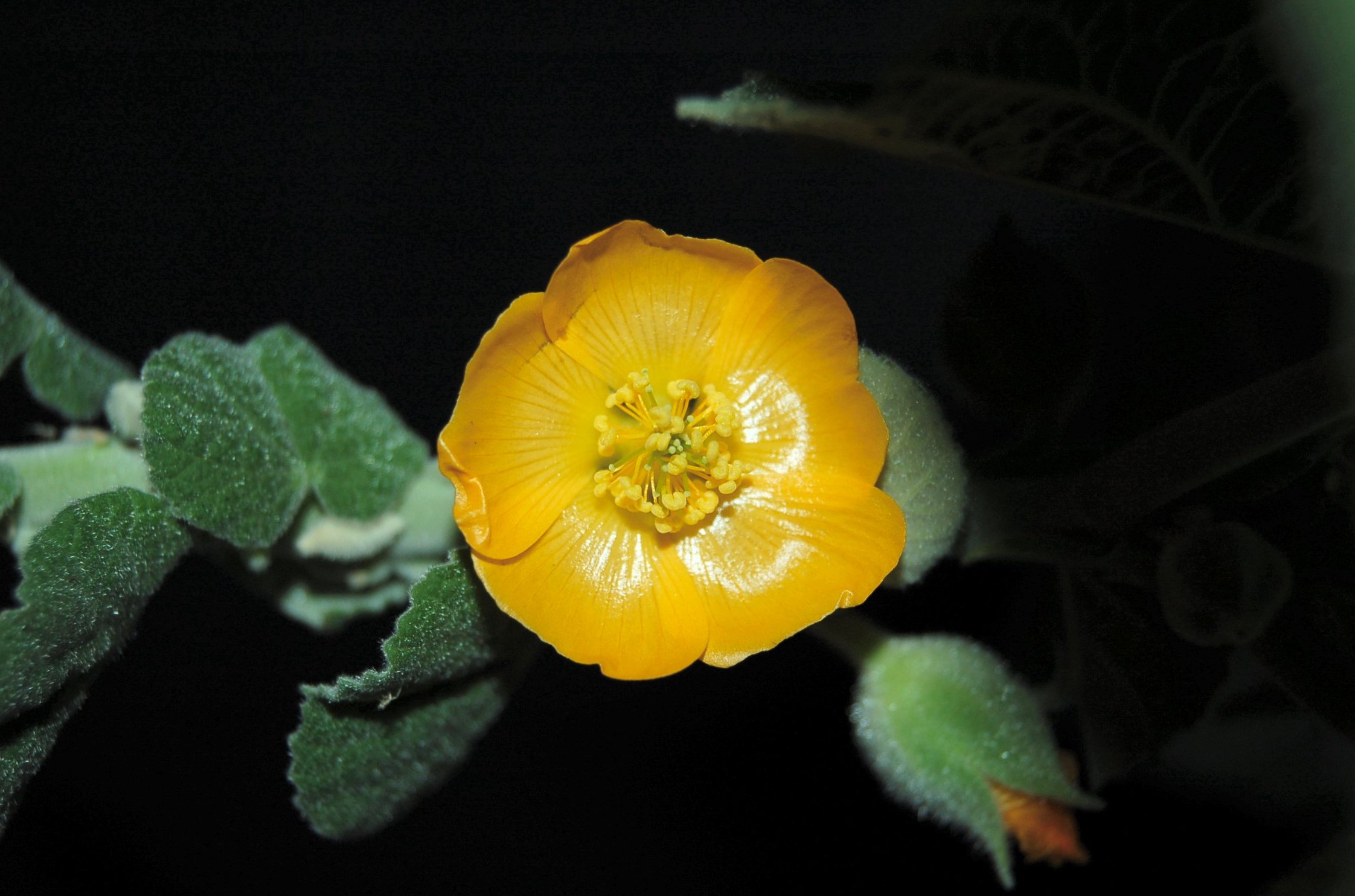
Bala, botanically known as Sida cordifolia, is a widely recognized perennial shrub belonging to the Malvaceae family. Found across tropical and subtropical regions, it typically grows erect with heart-shaped leaves and small, yellowish-orange flowers. This plant is often considered a weed in some agricultural settings, yet it holds significant traditional importance in various systems of natural medicine.
Its name, "Bala," translates from Sanskrit to "strength" or "power," hinting at its historical use in promoting vitality. The root and seeds are the primary parts utilized, rich in various phytochemicals that contribute to its diverse applications.
Other Names of Bala
- Country Mallow
- Heart-leaf Sida
- Bala Mool
- Nagbala
- Batyalaka
Heading
<h3> Absolute Contraindications of Bala </h3> <h4>Cardiovascular disease / uncontrolled high blood pressure [In layman terms]</h4> <ul> <li> ❤️🩹</li> <li> Recommendation: Avoid taking Bala preparations if you have uncontrolled hypertension, known heart disease, or recent stroke - discuss with your cardiologist first.</li> <li> Reasoning: Some Bala products contain sympathomimetic alkaloids (ephedrine-type) or may act on circulation; reports link ephedrine-containing herbal supplements to hypertension, tachyarrhythmia, stroke and sudden death.</li> <li> Scientific_Study_Title: Adverse cardiovascular and central nervous system events associated with dietary supplements containing ephedra alkaloids.</li> <li> Scientific_Study_Authors: C A Haller, N L Benowitz.</li> <li> Scientific_Study_Link: https://pubmed.ncbi.nlm.nih.gov/11117974/</li> <li> Scientific_Study_Excerpt: <p>This independent review examined reports submitted to the FDA of adverse events related to supplements containing ephedra-type alkaloids. A substantial proportion of reviewed reports involved cardiovascular problems (nearly half) including clinically important hypertension, palpitations, tachycardia, stroke and myocardial infarction; several deaths and permanent disabilities were reported. The authors concluded that use of supplements containing sympathomimetic alkaloids can pose a significant health risk to some persons and that understanding individual susceptibility is important. The findings formed part of the evidence base that led to regulatory warnings and restrictions on ephedra-containing products.</p> </li> </ul> <h4>Pregnancy and breastfeeding [In layman terms]</h4> <ul> <li> 🤰</li> <li> Recommendation: Do not use Bala in pregnancy or while breastfeeding; choose alternatives recommended by your prenatal provider.</li> <li> Reasoning: Population data link use of ephedra-containing weight-loss products around conception to higher odds of certain birth defects; alkaloids may cross the placenta and/or affect fetal cardiovascular or metabolic systems.</li> <li> Scientific_Study_Title: Periconceptional use of weight loss products including ephedra and the association with birth defects.</li> <li> Scientific_Study_Authors: Rebecca H Bitsko, Jennita Reefhuis, Carol Louik, Martha Werler, Marcia L Feldkamp, D Kim Waller, Jaime Frias, Margaret A Honein; National Birth Defects Prevention Study.</li> <li> Scientific_Study_Link: https://pubmed.ncbi.nlm.nih.gov/18553492/</li> <li> Scientific_Study_Excerpt: <p>This large case-control analysis used data from the National Birth Defects Prevention Study (1998-2003) to examine maternal use of weight-loss products, including those containing ephedra, in the periconceptional period. The study found associations between use of weight-loss products and specific major structural birth defects; use of products containing ephedra showed an increased adjusted odds ratio for anencephaly in infants. The authors caution that these findings are hypothesis-generating but support prudence in using such agents around conception and early pregnancy.</p> </li> </ul> <h4>Narrow-angle glaucoma [In layman terms]</h4> <ul> <li> 👁️🗨️</li> <li> Recommendation: Avoid Bala if you have narrow-angle (acute) glaucoma or are at high risk - seek ophthalmology advice first.</li> <li> Reasoning: Sympathomimetic agents (and some herbal products with adrenergic activity) can dilate the pupil and precipitate acute angle closure in susceptible eyes, causing severe pain and vision loss.</li> <li> Scientific_Study_Title: Bilateral acute myopia and angle closure glaucoma induced by Ma-huang (Ephedra): A case report.</li> <li> Scientific_Study_Authors: (authors listed in the PubMed record; case report authorship - see link.)</li> <li> Scientific_Study_Link: https://pubmed.ncbi.nlm.nih.gov/29390365/</li> <li> Scientific_Study_Excerpt: <p>This case report describes a patient who developed sudden bilateral eye pain, blurry vision, headache and vomiting after starting an herbal product containing Ephedra (Ma-huang). Examination showed a myopic shift, shallow anterior chambers and markedly raised intraocular pressure consistent with acute angle closure. Symptoms resolved with prompt discontinuation of the herbal product and urgent ocular treatment. The report highlights that adrenergic herbal agents can precipitate sight-threatening angle closure in predisposed individuals and stresses clinician awareness of this risk.</p> </li> </ul> <h3> Relative Contraindications of Bala </h3> <h4>Diabetes or people on glucose-lowering medicines [In layman terms]</h4> <ul> <li> 🩸🧪</li> <li> Recommendation: Use caution and monitor blood sugars closely when taking Bala if you have diabetes; discuss dose changes with your clinician.</li> <li> Reasoning: Experimental studies show Sida extracts can lower blood glucose and HbA1c in diabetic models - combining Bala with antidiabetic drugs could increase the risk of hypoglycaemia unless monitored.</li> <li> Scientific_Study_Title: Evaluation of Sida cordifolia and Sida rhombifolia extracts in a rat model of streptozotocin-induced diabetic nephropathy.</li> <li> Scientific_Study_Authors: Mohd Imran, Sahaya Mercy Jaquline Robert, Manju Sharma, Vidhu Aeri.</li> <li> Scientific_Study_Link: https://pubmed.ncbi.nlm.nih.gov/36975210/</li> <li> Scientific_Study_Excerpt: <p>In controlled animal experiments, hydroalcoholic extracts of Sida cordifolia lowered blood glucose and glycated hemoglobin in streptozotocin-nicotinamide induced diabetic rats, with dose-dependent improvements in renal function indices and antioxidant enzyme levels. The authors report that Sida cordifolia (200 mg/kg/day) produced effects comparable to pioglitazone in some parameters, and the extract inhibited formation of advanced glycation end-products in the kidney. These pharmacologic glucose-lowering properties indicate the herb can materially affect glycaemic control.</p> </li> </ul> <h4>Benign prostatic hyperplasia / tendency to urinary retention [In layman terms]</h4> <ul> <li> 🚻</li> <li> Recommendation: Avoid or use Bala cautiously if you have enlarged prostate or prior urinary retention; monitor urine flow and consult your doctor before starting.</li> <li> Reasoning: Sympathomimetic agents can tighten bladder-neck smooth muscle and worsen voiding in men with prostate enlargement; similar adrenergic activity in Bala preparations can aggravate symptoms.</li> <li> Scientific_Study_Title: Voiding dysfunction in patients with nasal congestion treated with pseudoephedrine: a prospective study.</li> <li> Scientific_Study_Authors: (authors listed in the PubMed record for the 2016/2015 prospective pseudoephedrine study).</li> <li> Scientific_Study_Link: https://pubmed.ncbi.nlm.nih.gov/27486310/</li> <li> Scientific_Study_Excerpt: <p>This prospective study evaluated men treated with oral pseudoephedrine for nasal congestion and found small but measurable increases in symptom scores for voiding and storage after one week of treatment, with older men (≥50 years) showing significant worsening. The results indicate that sympathomimetic decongestants can impair urinary function in men predisposed to lower urinary tract symptoms, supporting caution in patients with BPH when using adrenergic herbal products.</p> </li> </ul>
Heading
<h4>Severe cardiovascular events (high blood pressure, heart attack, stroke) </h4> <ul> <li> ⚠️❤️</li> <li> Side effect summary: Bala preparations that contain sympathomimetic alkaloids may raise blood pressure, cause palpitations, arrhythmia or, rarely, heart attack or stroke.</li> <li> Recommendation: Stop the herb and seek urgent medical care for chest pain, sudden weakness, severe headache or fainting; do not combine with other stimulants.</li> <li> Reasoning: Case series and reviews of ephedrine-type supplements show a clear signal for serious cardiovascular harm in susceptible users, sometimes at commonly sold doses.</li> <li> Severity Level: Severe</li> <li> Scientific_Study_Available: Yes</li> <li> Scientific_Study_Title: A case of fatal ephedra intake associated with lipofuscin accumulation, caspase activation and cleavage of myofibrillary proteins.</li> <li> Scientific_Study_Authors: (authors as in the PubMed record for the fatal case; see link.)</li> <li> Scientific_Study_Link: https://pubmed.ncbi.nlm.nih.gov/16054866/</li> <li> Scientific_Study_Excerpt: <p>Reported is a fatal case linked temporally to ephedra intake with post-mortem myocardial changes such as myocyte degeneration, apoptosis markers and structural protein cleavage. The authors review the broader literature relating ephedra/ephedrine to severe adverse cardiovascular events including myocardial infarction, stroke and sudden death, and conclude that such preparations can cause life-threatening cardiac injury in some users. The report underscores the potential for severe cardiac toxicity associated with alkaloid-containing herbal stimulants.</p> </li> </ul> <h4>Hepatotoxicity / acute liver injury</h4> <ul> <li> 🩺🟠</li> <li> Side effect summary: There are documented cases where ephedrine-type herbal products caused severe liver inflammation, occasionally progressing to liver failure.</li> <li> Recommendation: If you develop persistent nausea, abdominal pain, dark urine or jaundice while using Bala, stop it and see a doctor immediately; pre-existing liver disease is a reason for caution.</li> <li> Reasoning: Multiple case reports and reviews connect Ma-huang/ephedra products with clinically apparent acute hepatitis and rare fulminant liver failure, though contaminants and adulterants may also be contributory in some reports.</li> <li> Severity Level: Severe</li> <li> Scientific_Study_Available: Yes</li> <li> Scientific_Study_Title: Ma huang associated acute liver failure requiring liver transplantation.</li> <li> Scientific_Study_Authors: (authors listed on the PubMed record; see link.)</li> <li> Scientific_Study_Link: https://pubmed.ncbi.nlm.nih.gov/15827451/</li> <li> Scientific_Study_Excerpt: <p>This case report and review document fulminant hepatic failure temporally associated with Ma-huang (an Ephedra product) use, concluding that although some reported liver injuries may reflect contamination or misidentification, there is a plausible link between some Ephedra preparations and serious liver injury. The review summarizes prior clinical cases of ephedra-associated hepatitis and discusses possible mechanisms including direct toxicity and oxidative mitochondrial injury described in cellular studies.</p> </li> </ul> <h4>Central nervous system effects - sedation or paradoxical stimulation</h4> <ul> <li> 🧠</li> <li> Side effect summary: Depending on preparation, Bala can cause reduced activity and sedation (seen with some extracts) or, if alkaloids concentrate, anxiety, agitation or insomnia in other formulations.</li> <li> Recommendation: Be cautious with driving or operating machinery until you know how a given Bala product affects you; stop and consult a physician if you notice excessive drowsiness or new anxiety/insomnia.</li> <li> Reasoning: Animal pharmacology shows hydroalcoholic extracts produced measurable decreases in locomotion and exploratory behaviour, while alkaloid content in some preparations can produce stimulant effects - variation depends on extraction and standardization.</li> <li> Severity Level: Mild</li> <li> Scientific_Study_Available: Yes</li> <li> Scientific_Study_Title: CNS pharmacological effects of the hydroalcoholic extract of Sida cordifolia L. leaves.</li> <li> Scientific_Study_Authors: (authors as per PubMed record; see link.)</li> <li> Scientific_Study_Link: https://pubmed.ncbi.nlm.nih.gov/15814259/</li> <li> Scientific_Study_Excerpt: <p>In rodent tests the hydroalcoholic extract demonstrated low acute toxicity but produced reductions in spontaneous motor activity and exploratory behaviour at higher doses, indicating CNS depressant effects in particular preparations. The authors note that different extracts can show differing profiles and emphasize that observed CNS depression in these experimental conditions points to the need for careful dose selection and monitoring when translating to human use.</p> </li> </ul>
Heading
<h4>Anticoagulants / Antiplatelet drugs (e.g., warfarin, aspirin, clopidogrel)</h4> <ul> <li> Interaction_Details: Experimental data show Sida cordifolia extracts can affect clotting and platelet behaviour (prolong PT/APTT and show thrombolytic activity in animal models), so combining Bala with blood thinners could increase bleeding risk or alter coagulation tests.</li> <li> Severity: Moderate</li> <li> Recommendation: Consult your prescriber before using Bala if you take anticoagulants or antiplatelet agents; monitoring (INR, bleeding signs) may be needed and dose adjustments of conventional drugs might be required.</li> <li> Scientific_Study_Available: Yes</li> <li> Scientific_Study_Link: https://pubmed.ncbi.nlm.nih.gov/35228191/</li> <li> Scientific_Study_Title: Evaluation of Sida cordifolia L. for its potential against thrombosis in experimental models.</li> <li> Scientfic_Study_Authors: Humaira Gul, Qaiser Jabeen.</li> <li> Scientific_Study_Excerpt: <p>In vitro and in vivo experimental models evaluated an aqueous-methanolic extract of Sida cordifolia for antithrombotic and thrombolytic potential. The extract prolonged coagulation parameters (PT, APTT), reduced thrombus weight, increased arterial occlusion time, and showed dose-dependent clot lysis activity in assays. Histology suggested reduced vascular congestion in treated animals. These findings show the extract modulates haemostatic pathways and, while potentially beneficial for thrombosis models, raise theoretical concerns about additive bleeding when combined with prescription anticoagulants or antiplatelet therapy.</p> </li> </ul> <h4>Monoamine oxidase inhibitors (MAOIs) and other sympathomimetic/stimulant drugs (e.g., decongestants, amphetamines, high-caffeine products)</h4> <ul> <li> Interaction_Details: Bala preparations containing ephedrine-type alkaloids can combine with MAOIs or other stimulants to produce dangerous increases in blood pressure, arrhythmias or seizures (additive sympathomimetic effects and impaired catecholamine metabolism).</li> <li> Severity: Severe</li> <li> Recommendation: Do not combine Bala (or other ephedrine-containing supplements) with MAOIs, prescription stimulants, or large amounts of caffeine; if taking any of these drugs, avoid Bala entirely unless supervised by a specialist.</li> <li> Scientific_Study_Available: Yes</li> <li> Scientific_Study_Link: https://pubmed.ncbi.nlm.nih.gov/2464583/</li> <li> Scientific_Study_Title: MAOIs and hypertensive crises: the role of OTC drugs.</li> <li> Scientfic_Study_Authors: (authors listed in PubMed record; see link.)</li> <li> Scientific_Study_Excerpt: <p>Case reports and reviews show that over-the-counter decongestants and sympathomimetic agents can precipitate hypertensive crises in patients treated with MAOIs. The literature documents episodes of marked blood pressure elevation and serious complications when MAOIs are combined with phenylpropanolamine or other adrenergic agents. The authors warn that patient guidance about OTC product ingredients is often insufficient and recommend explicitly warning MAOI-treated patients about the hypertensive risk from sympathomimetics - a precaution that logically extends to herbal preparations containing ephedrine-type alkaloids.</p> </li> </ul> <h4>Antidiabetic medications (insulin, sulfonylureas, metformin and others)</h4> <ul> <li> Interaction_Details: Sida cordifolia extracts have shown blood-glucose lowering activity in experimental models; combining Bala with glucose-lowering drugs could produce unexpectedly low blood sugar (hypoglycaemia).</li> <li> Severity: Moderate</li> <li> Recommendation: If you are on antidiabetic therapy, consult your clinician before starting Bala; frequent glucose monitoring is advised and medication doses may need adjustment.</li> <li> Scientific_Study_Available: Yes</li> <li> Scientific_Study_Link: https://pubmed.ncbi.nlm.nih.gov/36975210/</li> <li> Scientific_Study_Title: Evaluation of Sida cordifolia and Sida rhombifolia extracts in a rat model of streptozotocin-induced diabetic nephropathy.</li> <li> Scientfic_Study_Authors: Mohd Imran, Sahaya Mercy Jaquline Robert, Manju Sharma, Vidhu Aeri.</li> <li> Scientific_Study_Excerpt: <p>In the streptozotocin-nicotinamide diabetic rat model, Sida cordifolia extract lowered blood glucose, reduced HbA1c and improved markers of renal function in a dose-dependent manner. The authors compared effects to a standard antidiabetic drug (pioglitazone) and observed significant glucose-lowering activity, implying the extract can meaningfully alter glycemic control. Such pharmacologic potency supports clinical caution and glucose monitoring when Bala is used alongside prescription hypoglycemics to avoid hypoglycaemia.</p> </li> </ul> <h4>Other sympathomimetic herbs / caffeine-containing supplements</h4> <ul> <li> Interaction_Details: Combined use with other stimulants (e.g., caffeine, amphetamine derivatives, some weight-loss products) can amplify cardiovascular and neurological adverse effects - higher blood pressure, palpitations, tremor, seizures.</li> <li> Severity: Moderate</li> <li> Recommendation: Avoid combining Bala with other stimulant herbs or high-caffeine supplements; always review product ingredients and discuss combinations with a clinician.</li> <li> Scientific_Study_Available: Yes</li> <li> Scientific_Study_Link: https://pubmed.ncbi.nlm.nih.gov/16956868/</li> <li> Scientific_Study_Title: Complicated hypertension related to the abuse of ephedrine and caffeine alkaloids.</li> <li> Scientfic_Study_Authors: (authors listed in the PubMed record; see link.)</li> <li> Scientific_Study_Excerpt: <p>This case report describes hypertensive encephalopathy with seizure following concurrent high-dose use of two over-the-counter supplements containing ephedrine and caffeine alkaloids. The authors emphasize that combined stimulant exposures - even at non-excessive labeled doses or via multiple products - can produce life-threatening cardiovascular and neurologic complications, illustrating the danger of stacking stimulant supplements and the need for provider awareness of all substances a patient is taking.</p> </li> </ul>