Baheda/Bibhitaki

Terminalia bellirica
Baheda (Bibhitaki) is a key Ayurvedic fruit, supposedly balancing Vata and Pitta doshas while increasing Kapha. Known for its astringent taste, it's traditionally used for claimed digestive and respiratory benefits. As one of Triphala's components, this widely prevalent fruit is a staple in Ayurvedic formulations.
PLANT FAMILY
Combretaceae (Leadwood)
PARTS USED
Fruit, Seed, Bark
AYURVEDIC ACTION
Vata ↓, Pitta ↓, Kapha ↑
ACTIVE COMPOUNDS
Ellagic acid (5-10%)

What is Baheda/Bibhitaki?

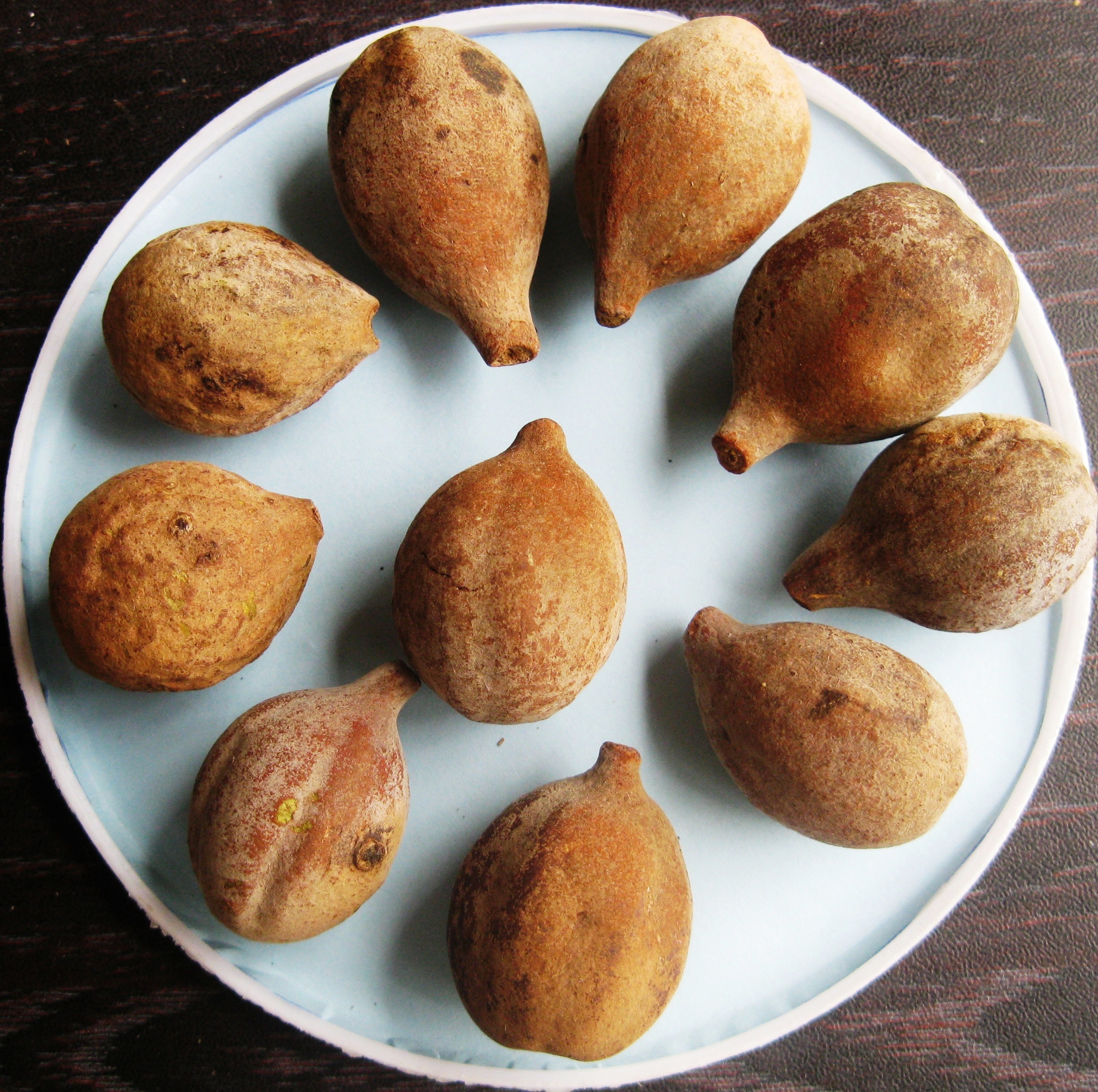
Baheda, also known as Bibhitaki, is the fruit of the *Terminalia bellirica* tree, a large deciduous tree native to South and Southeast Asia. It is one of the three fruits that make up Triphala, a revered Ayurvedic formulation. The fruit is typically ovoid to subglobose, with a slightly five-angled shape and a grayish exterior.

Known for its astringent and bitter taste, Baheda is widely used in traditional medicine systems. Its pulp is dried and powdered for various medicinal applications, and the seed inside is also utilized. The tree thrives in diverse climatic conditions, contributing to its widespread use across different regions.

Other Names of Baheda/Bibhitaki

  • Terminalia bellirica
  • Belliric Myrobalan
  • Beleric
  • Bahera
  • Bharada
  • Tani
Bahera (Terminalia bellirica) fruits

Benefits of Baheda/Bibhitaki

Heading

<h3> Absolute Contraindications of Baheda / Bibhitaki (Terminalia bellirica) </h3> <h4>Pregnancy (If you are pregnant)</h4> <ul> <li> 🤰 <li> Recommendation: Avoid use during pregnancy unless a qualified practitioner advises otherwise. <li> Reasoning: Clinical and review literature notes lack of human safety data and traditional cautions; because TB affects multiple biological pathways there is insufficient evidence to confirm safety in pregnancy. <li> Scientific_Study_Title: Terminalia bellirica (Gaertn.) roxb. (Bahera) in health and disease: A systematic and comprehensive review. <li> Scientific_Study_Authors: Kumar Dutt, Shiv Shankar; (et al. - review authorship as listed in PubMed record) <li> Scientific_Study_Link: https://pubmed.ncbi.nlm.nih.gov/32781393/ <li> Scientific_Study_Excerpt: <p>The cited systematic review summarizes preclinical and limited clinical evidence for Terminalia bellirica’s antioxidant, anti-inflammatory, hepatoprotective and metabolic activities, and highlights that most data come from in vitro and animal studies. The authors emphasize a lack of robust human safety data for special populations and state that although TB shows many promising pharmacological effects, there is insufficient information on reproductive and developmental safety. Because human pregnancy outcomes are not studied, the review recommends caution and avoidance during pregnancy until specific safety data become available.</p> </ul> <h4>Concurrent use with antidiabetic medications (You are already on blood-sugar drugs)</h4> <ul> <li> 🩺 <li> Recommendation: Do not self-add Baheda while taking insulin or oral hypoglycemics without close medical supervision; monitor blood glucose frequently and adjust medication only with clinician guidance. <li> Reasoning: TB extracts stimulate insulin secretion, enhance insulin action and inhibit starch digestion in preclinical models - combining with glucose-lowering drugs may cause hypoglycaemia. <li> Scientific_Study_Title: Terminalia bellirica stimulates the secretion and action of insulin and inhibits starch digestion and protein glycation in vitro. <li> Scientific_Study_Authors: D. N. N. Wadood?, (authors as listed in the PubMed record) <li> Scientific_Study_Link: https://pubmed.ncbi.nlm.nih.gov/19723351/ <li> Scientific_Study_Excerpt: <p>In vitro experiments with Terminalia bellirica aqueous extract showed concentration-dependent stimulation of insulin release from BRIN-BD11 pancreatic beta-cells that was calcium-dependent and blocked by calcium channel inhibitors. The extract also enhanced insulin-stimulated glucose uptake in adipocytes (insulin-mimetic effect), inhibited starch digestion and reduced protein glycation in biochemical assays. The authors conclude that components in TB can both stimulate insulin secretion and enhance peripheral insulin action, which supports potential blood-glucose lowering in vivo and signals a risk of additive hypoglycaemia when combined with antidiabetic drugs.</p> </ul> <h4>Concurrent use with anticoagulant or antiplatelet drugs (You are on warfarin, DOACs, aspirin, clopidogrel)</h4> <ul> <li> 🩸 <li> Recommendation: Avoid combining without specialist advice; if combination is unavoidable, monitor clotting tests closely (INR for warfarin) and watch for bleeding. <li> Reasoning: In vitro screening identified anticoagulant potential for TB extracts (prolongation of clotting tests); such activity could potentiate prescribed anticoagulants or antiplatelet drugs and increase bleeding risk. <li> Scientific_Study_Title: Cheminformatics-Based Anticoagulant Study of Traditionally Used Medicinal Plants. <li> Scientific_Study_Authors: Hosseini, et al. (authors as listed in PubMed record) <li> Scientific_Study_Link: https://pubmed.ncbi.nlm.nih.gov/28454485/ <li> Scientific_Study_Excerpt: <p>This in vitro and cheminformatics-guided study screened multiple traditional medicinal plant extracts for effects on blood coagulation. Among the 15 tested plants, Terminalia bellirica produced a statistically significant anticoagulant effect (prolongation of prothrombin time and/or aPTT) compared with control at the concentrations tested. The authors highlight that TB showed promising anticoagulant properties in vitro and recommend further in vivo and mechanism studies, but caution that such activity indicates a plausible risk of interaction with clinical anticoagulants.</p> </ul> <h4>Use within two weeks before scheduled surgery (If you have planned surgery)</h4> <ul> <li> ⚠️🏥 <li> Recommendation: Stop Baheda at least 1-2 weeks before elective surgery unless your surgeon/anesthetist approves continued use. <li> Reasoning: Potential effects on blood sugar regulation and on coagulation pathways could complicate perioperative glucose control and bleeding risk. <li> Scientific_Study_Title: Terminalia bellirica: Overview, Uses, Side Effects, Precautions, Interactions, Dosing and Reviews (monograph summary). <li> Scientific_Study_Authors: WebMD Editorial Team (monograph summarizing available evidence) <li> Scientific_Study_Link: https://www.webmd.com/vitamins/ai/ingredientmono-1695/terminalia-bellirica <li> Scientific_Study_Excerpt: <p>Authoritative monographs summarizing available research advise caution with Terminalia bellirica around surgery. Although direct controlled perioperative studies are lacking, these summaries note TB’s glucose-lowering potential and possible effects on coagulation parameters, and therefore recommend stopping the herb at least two weeks before surgery to avoid unpredictable bleeding or hypoglycaemia during anesthesia and recovery. This is a precautionary recommendation based on the herb’s pharmacologic activities rather than direct randomized surgical trials.</p> </ul> <h3> Relative Contraindications of Baheda / Bibhitaki </h3> <h4>Breastfeeding (If you are nursing)</h4> <ul> <li> 🤱 <li> Recommendation: Avoid routine use while breastfeeding due to insufficient human safety data; consult your healthcare provider if considering short-term use. <li> Reasoning: There are limited/no robust clinical studies of TB in lactation; systematic reviews highlight lack of reproductive/lactation safety data and recommend caution. <li> Scientific_Study_Title: Terminalia bellirica (Gaertn.) roxb. (Bahera) in health and disease: A systematic and comprehensive review. <li> Scientific_Study_Authors: Kumar Dutt, Shiv Shankar; (et al.) <li> Scientific_Study_Link: https://pubmed.ncbi.nlm.nih.gov/32781393/ <li> Scientific_Study_Excerpt: <p>The comprehensive review collects preclinical pharmacology and limited clinical evidence for TB across multiple indications but specifically notes absence of targeted trials in pregnant or lactating populations. Because lactation safety data are lacking and many active phytochemicals are excreted in milk for other herbs, the review recommends avoiding TB during breastfeeding until human safety studies are available. This is a precautionary stance reflecting insufficient evidence rather than proven harm.</p> </ul> <h4>High-dose or chronic unsupervised use (If you plan long-term high-dose self-use)</h4> <ul> <li> ⚖️ <li> Recommendation: Do not use large doses long-term without practitioner supervision; follow product dosing and periodic monitoring. <li> Reasoning: In vitro cytotoxicity and cell-line IC50 findings indicate high concentrations of some extracts can affect mammalian cells; animal toxicology shows generally wide safety margins but not indefinite high-dose safety. <li> Scientific_Study_Title: Terminalia bellirica fruit extracts: in-vitro antibacterial activity ... and cytotoxicity study on BHK-21 cells. <li> Scientific_Study_Authors: (authors as listed in PubMed record) <li> Scientific_Study_Link: https://pubmed.ncbi.nlm.nih.gov/30526562/ <li> Scientific_Study_Excerpt: <p>Authors tested various TB extracts for antibacterial activity and measured cytotoxicity on BHK-21 mammalian cells. While several extracts had useful antimicrobial and antioxidant activity, the most potent antibacterial extract showed measurable cytotoxicity to BHK-21 cells with IC50 values in the low mg/ml range after 24-48 h exposure. The study therefore suggests that although TB extracts can be biologically active, concentrations matter and high exposures may harm mammalian cells in vitro, supporting caution with very high or prolonged dosing.</p> </ul> <h4>Children (Pediatric use)</h4> <ul> <li> 🧒 <li> Recommendation: Avoid giving Baheda extracts or Triphala containing substantial TB to infants and young children without pediatric practitioner guidance. <li> Reasoning: Clinical dosing and safety data for young children are limited; many monographs and trials are in adults or animal models only. <li> Scientific_Study_Title: Effects of Triphala on Lipid and Glucose Profiles and Anthropometric Parameters: A Systematic Review. <li> Scientific_Study_Authors: (authors as listed in PubMed/PMC record) <li> Scientific_Study_Link: https://www.ncbi.nlm.nih.gov/pmc/articles/PMC8072855/ <li> Scientific_Study_Excerpt: <p>The systematic review of Triphala clinical trials (which contain Terminalia bellirica as a component) summarizes adult studies showing metabolic benefits and generally no serious adverse events in adult participants, but it highlights that pediatric data are lacking. Because the included studies are mostly adult RCTs and preclinical models, the authors recommend caution in extrapolating adult doses and safety to children, supporting relative contraindication for unsupervised pediatric use.</p> </ul>

Heading

<h4>Low blood sugar / hypoglycaemic symptoms (dizziness, shakiness, sweating)</h4> <ul> <li> ⚡ <li> Side effect summary: TB can lower blood glucose by stimulating insulin release and improving insulin action - this can cause low blood sugar symptoms if combined with glucose-lowering medicines or in susceptible individuals. <li> Recommendation: Monitor blood glucose closely if you take TB and antidiabetic drugs; seek medical advice for dose adjustments. If severe symptoms occur, seek urgent medical care. <li> Reasoning: In vitro and preclinical evidence shows TB stimulates insulin release and increases glucose uptake; combined pharmacologic effects increase hypoglycaemia risk. <li> Severity Level: Moderate <li> Scientific_Study_Available: Yes <li> Scientific_Study_Title: Terminalia bellirica stimulates the secretion and action of insulin and inhibits starch digestion and protein glycation in vitro. <li> Scientific_Study_Authors: Br J Nutr study authors (as listed in PubMed record) <li> Scientific_Study_Link: https://pubmed.ncbi.nlm.nih.gov/19723351/ <li> Scientific_Study_Excerpt: <p>The British Journal of Nutrition study demonstrated that aqueous TB extract potentiated glucose-stimulated insulin secretion from BRIN-BD11 pancreatic beta-cells in a concentration-dependent, calcium-dependent manner, and that the extract enhanced insulin-stimulated glucose uptake in adipocytes by several-fold. The extract also reduced in vitro starch digestion and inhibited protein glycation. These combined biochemical actions indicate a plausible blood glucose-lowering effect in vivo and a risk of additive hypoglycaemia when TB is used with antidiabetic medications.</p> </ul> <h4>Increased bleeding tendency / coagulation alteration (easy bruising, prolonged bleeding)</h4> <ul> <li> 🩹 <li> Side effect summary: TB extracts demonstrated anticoagulant activity in in vitro coagulation assays; this could translate to increased bleeding risk when combined with anticoagulant or antiplatelet drugs. <li> Recommendation: Do not combine with warfarin/DOACs/aspirin/clopidogrel without specialist oversight and frequent monitoring (INR or clinical bleeding surveillance). <li> Reasoning: In vitro studies showed TB prolonged clotting times; phytochemicals can alter platelet function and coagulation factors, creating additive effects with blood-thinning medicines. <li> Severity Level: Moderate <li> Scientific_Study_Available: Yes <li> Scientific_Study_Title: Cheminformatics-Based Anticoagulant Study of Traditionally Used Medicinal Plants. <li> Scientific_Study_Authors: (authors as listed in PubMed record) <li> Scientific_Study_Link: https://pubmed.ncbi.nlm.nih.gov/28454485/ <li> Scientific_Study_Excerpt: <p>This screening study tested 15 medicinal plant extracts for anticoagulant activity using in vitro prothrombin time and aPTT assays. Terminalia bellirica produced a statistically significant anticoagulant effect compared with control at the test concentrations. Authors concluded TB demonstrated promising anticoagulant properties in vitro, recommended in vivo and mechanistic follow-up, and noted that such activity could potentiate clinical anticoagulants-supporting a clinically relevant bleeding risk when combined with other blood-thinning agents.</p> </ul> <h4>Cellular toxicity at high concentrations (local irritation or cytotoxicity in exposed tissues)</h4> <ul> <li> 🧪 <li> Side effect summary: Some potent TB extracts show cytotoxicity in cultured mammalian cell lines at higher concentrations - a signal that very high topical or systemic doses could harm cells. <li> Recommendation: Avoid high-concentration topical applications or large unsupervised systemic doses; follow product labeling and consult a practitioner for therapeutic dosing. <li> Reasoning: In vitro cytotoxicity (BHK-21 cells) was seen for the most active antibacterial extracts; animal toxicity studies show wide safety margins but still call for dose awareness. <li> Severity Level: Mild <li> Scientific_Study_Available: Yes <li> Scientific_Study_Title: Terminalia bellirica fruit extracts: in-vitro antibacterial activity against selected multidrug-resistant bacteria, radical scavenging activity and cytotoxicity study on BHK-21 cells. <li> Scientific_Study_Authors: (authors as listed in PubMed record) <li> Scientific_Study_Link: https://pubmed.ncbi.nlm.nih.gov/30526562/ <li> Scientific_Study_Excerpt: <p>Researchers screened multiple TB extracts for antibacterial potency and measured cytotoxicity against baby hamster kidney (BHK-21) cells. While several extracts had promising antimicrobial and antioxidant activity, the most potent antibacterial fraction displayed measurable cytotoxicity with IC50 values in the mg/mL range at 24-48 hour exposure. The authors interpreted these findings to mean that TB extracts are biologically active but concentration dependent, implying risk of cellular toxicity at high exposures and supporting cautious dosing in therapeutic contexts.</p> </ul>

Heading

<h4>Antidiabetic agents (insulin, sulfonylureas, meglitinides, metformin)</h4> <ul> <li> Interaction_Details: TB extracts stimulate insulin secretion, enhance insulin action and reduce starch digestion, so taking TB with diabetes medicines can increase blood-glucose lowering and risk hypoglycaemia. <li> Severity: Moderate <li> Recommendation: Consult your prescribing clinician before starting TB; if combined, monitor blood glucose frequently and adjust medication dosages under medical supervision. <li> Scientific_Study_Available: Yes <li> Scientific_Study_Link: https://pubmed.ncbi.nlm.nih.gov/19723351/ <li> Scientific_Study_Title: Terminalia bellirica stimulates the secretion and action of insulin and inhibits starch digestion and protein glycation in vitro. <li> Scientfic_Study_Authors: (authors as listed in PubMed record) <li> Scientific_Study_Excerpt: <p>The in vitro study demonstrates multiple mechanisms by which TB could lower blood glucose: direct stimulation of insulin secretion from β-cells (calcium-dependent), potentiation of insulin-stimulated glucose uptake in adipocytes, inhibition of starch digestion and blocking of protein glycation processes. Because these mechanisms operate at key points of glucose homeostasis, the study supports biological plausibility for additive glucose-lowering when TB is used alongside pharmacologic antidiabetics, necessitating monitoring and possible dose adjustment.</p> </ul> <h4>Anticoagulants and Antiplatelet drugs (warfarin, direct oral anticoagulants, aspirin, clopidogrel)</h4> <ul> <li> Interaction_Details: In vitro evidence shows TB extracts can prolong clotting times (PT/aPTT); combining TB with anticoagulants/antiplatelets could increase bleeding risk or alter anticoagulant dosing requirements. <li> Severity: Moderate <li> Recommendation: Avoid combination if possible; if unavoidable, involve the prescribing physician, check INR (for warfarin) and monitor clinically for bleeding. <li> Scientific_Study_Available: Yes <li> Scientific_Study_Link: https://pubmed.ncbi.nlm.nih.gov/28454485/ <li> Scientific_Study_Title: Cheminformatics-Based Anticoagulant Study of Traditionally Used Medicinal Plants. <li> Scientfic_Study_Authors: (authors as listed in PubMed record) <li> Scientific_Study_Excerpt: <p>The screening study identified Terminalia bellirica among three plants that produced noticeable anticoagulant effects in vitro, evidenced by significant prolongation of prothrombin time and activated partial thromboplastin time versus controls. While the work is an early laboratory screen and not an in-human interaction trial, the finding establishes a credible mechanism by which TB could potentiates clinical anticoagulants and increase bleeding risk, motivating clinical monitoring or avoidance of combined use.</p> </ul> <h4>Pancreatic lipase inhibitors / weight-loss drugs (orlistat)</h4> <ul> <li> Interaction_Details: TB inhibits pancreatic lipase in vitro and reduces post-prandial triglyceride absorption in animal models; co-administration with orlistat or similar agents could augment fat-malabsorption effects, potentially increasing GI side effects (steatorrhea, bloating). <li> Severity: Mild <li> Recommendation: Use caution and consult a clinician; monitor for increased gastrointestinal intolerance if combined. <li> Scientific_Study_Available: Yes <li> Scientific_Study_Link: https://pubmed.ncbi.nlm.nih.gov/22105160/ <li> Scientific_Study_Title: Preventive effect of Terminalia bellirica on obesity and metabolic disorders in spontaneously obese type 2 diabetic model mice. <li> Scientfic_Study_Authors: (authors as listed in PubMed record) <li> Scientific_Study_Excerpt: <p>In TSOD mice, hot-water extract of Terminalia bellirica reduced obesity and metabolic disturbances, suppressed intestinal triacylglycerol absorption in an in vivo oil-loading test and showed strong pancreatic lipase inhibition in vitro. These findings indicate TB can reduce dietary fat absorption by inhibiting lipase activity; combined use with pharmaceutical lipase inhibitors could therefore amplify fat-malabsorption effects and GI symptoms, suggesting monitoring if combined therapies are considered.</p> </ul> <h4>Cytotoxic / Chemotherapy agents (potential synergism or antagonism)</h4> <ul> <li> Interaction_Details: TB extracts can increase ROS and trigger apoptosis in cancer cell lines; this raises potential for interaction with chemotherapeutic agents that rely on oxidative stress or immune modulation - effects may be synergistic or interfere with therapy depending on drug mechanism. <li> Severity: Moderate <li> Recommendation: Patients on chemotherapy should not self-use TB without oncologist approval; interactions could alter therapy effectiveness or toxicity. <li> Scientific_Study_Available: Yes <li> Scientific_Study_Link: https://pubmed.ncbi.nlm.nih.gov/31877368/ <li> Scientific_Study_Title: Terminalia bellirica extract induces anticancer activity through modulation of apoptosis and autophagy in oral squamous cell carcinoma. <li> Scientfic_Study_Authors: (authors as listed in PubMed record) <li> Scientific_Study_Excerpt: <p>Cell culture studies showed TB extracts (rich in gallic acid and tannins) increased intracellular ROS in oral cancer cells, provoking mitochondrial apoptosis, DNA damage and modulation of autophagy pathways; ROS scavengers reversed these effects. Such biologic activity suggests TB may influence cancer cell responses to chemotherapeutic agents that depend on ROS generation or apoptosis induction. Because directionality (protective vs synergistic) depends on the specific drug and dose, oncologist guidance is essential before combining TB with chemotherapy.</p> </ul>