Badi Elaichi (Cardamom)

Amomum subulatum
Badi Elaichi (Black Cardamom), a key Ayurvedic herb, is recognized for its warming properties, purportedly aiding in balancing Vata and Kapha doshas. This widely used spice, prevalent in the Eastern Himalayas, is traditionally claimed to support digestive and respiratory health. Its distinctive smoky aroma makes it a staple in various traditional Indian and Nepalese culinary and medicinal applications.
PLANT FAMILY
Zingiberaceae (Ginger)
PARTS USED
Fruit, Seeds
AYURVEDIC ACTION
Vata ↓, Kapha ↓
ACTIVE COMPOUNDS
Cineole (70-80%)

What is Badi Elaichi (Cardamom)?

Badi Elaichi, also known as Black Cardamom, is a perennial herbaceous plant belonging to the ginger family, Zingiberaceae. Scientifically identified as Amomum subulatum, it is native to the eastern Himalayas, particularly prevalent in Nepal, India, and Bhutan. Unlike its green counterpart, Badi Elaichi pods are larger, dark brown, and possess a distinct smoky, camphor-like aroma, acquired through a traditional drying process over open flames.

This spice is primarily utilized for its robust flavor in savory dishes, particularly in Indian and Nepalese cuisine, where it imparts a warm, pungent, and earthy note. Beyond culinary applications, Badi Elaichi is also valued in traditional medicine systems for its purported digestive and respiratory benefits.
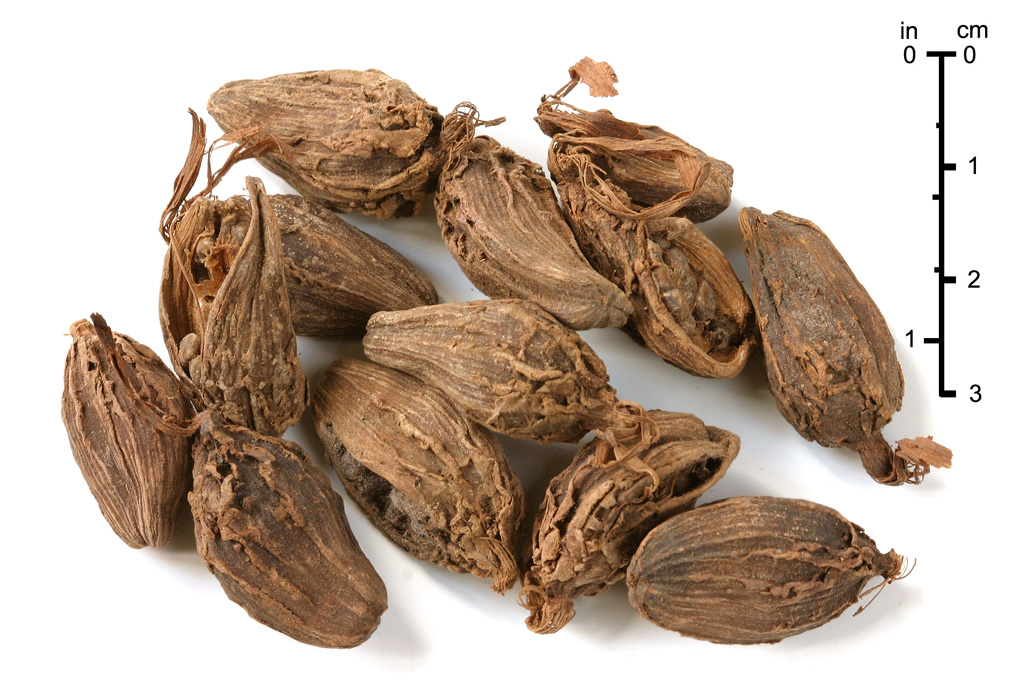

Other Names of Badi Elaichi (Cardamom)

  • Black Cardamom
  • Brown Cardamom
  • Nepal Cardamom
  • Hill Cardamom
  • Greater Cardamom
BlackCardamom

Benefits of Badi Elaichi (Cardamom)

Heading

<h3> Absolute Contraindications of Badi Elaichi (Cardamom) </h3> <h4> Known allergy to cardamom or spice sensitivity [If you develop hives, breathing trouble, or swelling]</h4> <ul> <li> 🧴</li> <li> Recommendation: Stop using cardamom and seek medical advice if you experience hives, facial swelling, wheeze, or sudden breathing difficulty.</li> <li> Reasoning: Spices including cardamom can cause IgE-mediated or contact hypersensitivity; exposed workers and sensitised individuals have reported allergic skin and respiratory reactions.</li> <li> Scientific_Study_Title: Skin symptoms among workers in a spice factory.</li> <li> Scientific_Study_Authors: Lillienberg L, Holmgren K, Björk J, et al.</li> <li> Scientific_Study_Link: https://pubmed.ncbi.nlm.nih.gov/8281784/</li> <li> Scientific_Study_Excerpt: <p>Paraphrase: Occupational study findings reported skin irritation and patch-test reactions to spices; powdered cardamom produced irritant patch responses in factory workers, indicating that cardamom can provoke contact dermatitis and respiratory symptoms in sensitised persons.</p> <p>Practical take: those with known spice allergies should avoid cardamom because clinical reactions (skin or airway) have been observed under exposure conditions.</p> </li> </ul> <h4> Pregnancy and early breastfeeding [If you are pregnant or nursing]</h4> <ul> <li> 🤰</li> <li> Recommendation: Avoid high-dose therapeutic use (concentrated extracts, essential oils) of cardamom during pregnancy and breastfeeding; discuss any regular supplement use with your obstetrician/midwife.</li> <li> Reasoning: Animal studies show that large or prolonged perinatal exposure can reach the fetus/neonate and alter developmental and biochemical markers; until human safety at therapeutic doses is firmly established, caution is advised.</li> <li> Scientific_Study_Title: Effects of Perinatal Cardamom Exposure on Social Behavior, Anxiety, Locomotor Activity, Blood Biochemical Parameters and Brain Acetylcholinesterase of Mice Offspring.</li> <li> Scientific_Study_Authors: Belal SA, et al.</li> <li> Scientific_Study_Link: https://pubmed.ncbi.nlm.nih.gov/31840611/</li> <li> Scientific_Study_Excerpt: <p>Paraphrase: In this mouse study, mothers given dietary cardamom during pregnancy/lactation produced offspring with altered behavior, neuromotor activity and biochemical parameters; authors note that cardamom crosses to offspring via placenta or milk and recommend caution when using cardamom in pregnancy and lactation.</p> <p>Practical take: these animal findings support advising pregnant or breastfeeding people to avoid concentrated cardamom preparations and consult clinicians about routine culinary use vs therapeutic dosing.</p> </li> </ul> <h4> Concurrent use with anticoagulant or antiplatelet therapy / upcoming surgery [If you take blood thinners or need surgery]</h4> <ul> <li> 🩸</li> <li> Recommendation: Do not take concentrated cardamom extracts or large supplemental doses if you are on anticoagulant or antiplatelet medications without discussing with your prescribing clinician; stop high-dose use well before scheduled surgery as advised by your surgeon.</li> <li> Reasoning: Laboratory evidence shows cardamom extracts inhibit human platelet aggregation, which could increase bleeding risk when combined with blood-thinning medicines or in the perioperative period.</li> <li> Scientific_Study_Title: Cardamom extract as inhibitor of human platelet aggregation.</li> <li> Scientific_Study_Authors: Sankar P, et al.</li> <li> Scientific_Study_Link: https://pubmed.ncbi.nlm.nih.gov/16106388/</li> <li> Scientific_Study_Excerpt: <p>Paraphrase: In vitro platelet studies demonstrated dose-dependent inhibition of aggregation by aqueous cardamom extract against ADP, epinephrine and collagen stimuli, and reduced lipid peroxidation in platelets; the authors conclude that extract components can protect platelets from aggregation.</p> <p>Practical take: while the evidence is largely laboratory based, it supports avoiding supplemental/high-dose cardamom with anticoagulant/antiplatelet therapy or around surgical procedures.</p> </li> </ul> <h3> Relative Contraindications of Badi Elaichi (Cardamom) </h3> <h4> Low blood pressure or use of antihypertensive drugs [If you have low BP or take blood pressure meds]</h4> <ul> <li> ⚖️</li> <li> Recommendation: Use culinary amounts cautiously and discuss supplement use with your clinician if you are on blood pressure medications; monitor blood pressure if starting any cardamom supplement.</li> <li> Reasoning: Clinical trials and meta-analyses show modest reductions in systolic and diastolic blood pressure with cardamom supplementation, which could add to antihypertensive drug effects in sensitive patients.</li> <li> Scientific_Study_Title: Effect of green cardamom on blood pressure and inflammatory markers: systematic review and meta-analysis of randomized clinical trials.</li> <li> Scientific_Study_Authors: Mohammadifard N, et al.</li> <li> Scientific_Study_Link: https://pubmed.ncbi.nlm.nih.gov/36181264/</li> <li> Scientific_Study_Excerpt: <p>Paraphrase: Pooled randomized trials indicate small but statistically significant reductions in diastolic blood pressure and inflammatory markers with green cardamom; authors advise careful interpretation but note a reproducible antihypertensive signal.</p> <p>Practical take: people already on hypotensive therapies should not add high-dose cardamom without monitoring.</p> </li> </ul> <h4> Use with drugs metabolized by CYP enzymes (possible interaction risk) [If you take drugs heavily metabolized by liver enzymes]</h4> <ul> <li> ⚠️</li> <li> Recommendation: If you take medications with narrow therapeutic windows metabolized by CYP3A or related enzymes, check with a pharmacist/physician before using concentrated cardamom essential oil or high-dose extracts.</li> <li> Reasoning: Major volatile constituents of cardamom (for example 1,8-cineole and related monoterpenes) are metabolized by and may inhibit certain cytochrome P450 enzymes (notably CYP3A). This suggests a potential to alter blood levels of co-administered drugs, especially with concentrated preparations.</li> <li> Scientific_Study_Title: Oxidation of 1,8-cineole by cytochrome P450 3A enzymes in rat and human liver microsomes.</li> <li> Scientific_Study_Authors: Niwa T, et al.</li> <li> Scientific_Study_Link: https://pubmed.ncbi.nlm.nih.gov/11159812/</li> <li> Scientific_Study_Excerpt: <p>Paraphrase: In vitro work shows 1,8-cineole (a common cardamom constituent) is a high-rate substrate for human CYP3A enzymes and that its metabolism is inhibited by known CYP3A inhibitors; related monoterpenes can also inhibit other CYP isoenzymes in vitro.</p> <p>Practical take: this in vitro evidence supports caution with concentrated volatile oil supplements and drugs primarily cleared by CYP3A/other CYPs.</p> </li> </ul> <h4> Large-dose use in infants or children [If you consider giving concentrated extracts to young children]</h4> <ul> <li> 👶</li> <li> Recommendation: Avoid giving high doses or essential-oil forms to infants and young children; culinary, very small amounts in food are generally safe, but medical/therapeutic dosing should be clinician-guided.</li> <li> Reasoning: Animal studies showed perinatal exposure reached offspring and altered biochemical and behavioural markers; immature metabolism in infants increases sensitivity to concentrated botanical compounds.</li> <li> Scientific_Study_Title: Cardamom (Elettaria cardamomum) perinatal exposure effects on the development, behavior and biochemical parameters in mice offspring.</li> <li> Scientific_Study_Authors: Abdel-Moneim AM, et al.</li> <li> Scientific_Study_Link: https://pubmed.ncbi.nlm.nih.gov/29379379/</li> <li> Scientific_Study_Excerpt: <p>Paraphrase: Mice exposed to high dietary amounts of cardamom during pregnancy and lactation produced offspring with measurable changes in developmental and biochemical parameters, supporting caution for high-dose exposure during development.</p> <p>Practical take: avoid therapeutic-level dosing of cardamom in pregnant/nursing mothers and infants without specialist advice.</p> </li> </ul>

Heading

<h4> Gastrointestinal upset (nausea, diarrhea, heartburn)</h4> <ul> <li> 🤢</li> <li> Side effect summary: Some people report stomach upset, diarrhea, or heartburn when consuming larger amounts of cardamom, especially concentrated extracts.</li> <li> Recommendation: Reduce dose or stop use if you develop GI symptoms; for persistent or severe symptoms consult your healthcare provider.</li> <li> Reasoning: Published safety reviews note occasional GI adverse events at supplemental doses, though culinary use is normally well tolerated.</li> <li> Severity Level: Mild</li> <li> Scientific_Study_Available: Yes</li> <li> Scientific_Study_Title: Cardamom - safety and reported adverse effects (review / nutrition commentary).</li> <li> Scientific_Study_Authors: Brown AC, et al. (nutrition review summaries)</li> <li> Scientific_Study_Link: https://pubmed.ncbi.nlm.nih.gov/40460231/</li> <li> Scientific_Study_Excerpt: <p>Paraphrase: Safety summaries note few significant adverse effects for intakes up to about 3 g/day; reported events include minor diarrhea, nausea, mild skin inflammation and occasional glossitis. Cardamom is generally recognized as safe (GRAS) for usual food amounts.</p> </li> </ul> <h4> Allergic reactions (rash, contact dermatitis, rarely anaphylaxis)</h4> <ul> <li> 🤧</li> <li> Side effect summary: Contact skin reactions and rare IgE-mediated reactions have been documented in workers and sensitised individuals exposed to spice powders.</li> <li> Recommendation: Stop use and seek medical attention for respiratory or systemic allergic symptoms; avoid topical/essential oil exposure if you have spice sensitivity.</li> <li> Reasoning: Occupational and case reports show cardamom powder can cause irritant or allergic contact dermatitis and, rarely, severe allergic responses when part of spice mixtures.</li> <li> Severity Level: Moderate</li> <li> Scientific_Study_Available: Yes</li> <li> Scientific_Study_Title: Skin symptoms among workers in a spice factory.</li> <li> Scientific_Study_Authors: Lillienberg L, Holmgren K, Björk J, et al.</li> <li> Scientific_Study_Link: https://pubmed.ncbi.nlm.nih.gov/8281784/</li> <li> Scientific_Study_Excerpt: <p>Paraphrase: The study documented skin irritation in spice factory workers and noted irritant patch test reactions to powdered cardamom, supporting the potential for contact dermatitis in sensitised people.</p> </li> </ul> <h4> Increased bleeding tendency (with high doses or extracts)</h4> <ul> <li> 🩹</li> <li> Side effect summary: Concentrated cardamom extracts inhibit platelet aggregation in laboratory studies; while clinical bleeding reports are limited, additive effects with blood thinners are plausible.</li> <li> Recommendation: If you are on anticoagulant or antiplatelet drugs, avoid supplemental/high-dose cardamom unless cleared by your prescriber.</li> <li> Reasoning: In vitro platelet inhibition indicates a mechanism that could increase bleeding risk when combined with drugs that reduce clotting.</li> <li> Severity Level: Moderate</li> <li> Scientific_Study_Available: Yes</li> <li> Scientific_Study_Title: Cardamom extract as inhibitor of human platelet aggregation.</li> <li> Scientific_Study_Authors: Sankar P, et al.</li> <li> Scientific_Study_Link: https://pubmed.ncbi.nlm.nih.gov/16106388/</li> <li> Scientific_Study_Excerpt: <p>Paraphrase: The in vitro study reported dose-dependent inhibition of platelet aggregation by aqueous cardamom extract and decreased lipid peroxidation in platelet membranes, suggesting an antiplatelet mechanism.</p> </li> </ul>

Heading

<h4> Anticoagulants and Antiplatelet agents (e.g., warfarin, aspirin, clopidogrel)</h4> <ul> <li> Interaction_Details: Cardamom extracts inhibit platelet aggregation in laboratory studies; combining high-dose cardamom with anticoagulants or antiplatelets could increase bleeding risk.</li> <li> Severity: Moderate</li> <li> Recommendation: Avoid supplemental/high-dose cardamom while on blood thinners unless your prescribing clinician agrees and monitors you; stop concentrated forms prior to surgery as advised.</li> <li> Scientific_Study_Available: Yes</li> <li> Scientific_Study_Link: https://pubmed.ncbi.nlm.nih.gov/16106388/</li> <li> Scientific_Study_Title: Cardamom extract as inhibitor of human platelet aggregation.</li> <li> Scientfic_Study_Authors: Sankar P, et al.</li> <li> Scientific_Study_Excerpt: <p>Paraphrase: The authors showed dose-dependent inhibition of platelet aggregation by aqueous cardamom extract against multiple agonists (ADP, epinephrine, collagen) and decreased markers of platelet membrane lipid peroxidation, indicating a plausible mechanism for additive bleeding risk with antithrombotic drugs.</p> </li> </ul> <h4> Antihypertensive medications (e.g., ACE inhibitors, ARBs, calcium channel blockers)</h4> <ul> <li> Interaction_Details: Clinical trials and meta-analyses show modest blood pressure lowering with cardamom supplementation; combined use with antihypertensives could potentiate low blood pressure in sensitive individuals.</li> <li> Severity: Mild</li> <li> Recommendation: Monitor blood pressure if using cardamom supplements while on BP meds; discuss with your clinician before starting concentrated preparations.</li> <li> Scientific_Study_Available: Yes</li> <li> Scientific_Study_Link: https://pubmed.ncbi.nlm.nih.gov/36181264/</li> <li> Scientific_Study_Title: The effect of green cardamom on blood pressure and inflammatory markers among patients with metabolic syndrome: systematic review and meta-analysis.</li> <li> Scientfic_Study_Authors: Mohammadifard N, et al.</li> <li> Scientific_Study_Excerpt: <p>Paraphrase: The meta-analysis pooled randomized trials and found small but significant reductions in diastolic and systolic blood pressure with cardamom; while effects are modest, they could be clinically relevant when combined with antihypertensive drugs in some patients.</p> </li> </ul> <h4> Drugs primarily metabolized by CYP3A (e.g., some statins, certain calcium channel blockers, immunosuppressants)</h4> <ul> <li> Interaction_Details: Major monoterpene constituents of cardamom (notably 1,8-cineole) are substrates for and can interact with CYP3A4 in vitro; monoterpenes may also inhibit some liver monooxygenase activities in lab studies, suggesting potential to alter drug metabolism when taken in concentrated forms.</li> <li> Severity: Mild</li> <li> Recommendation: If you take drugs with narrow therapeutic windows metabolized by CYP3A, avoid essential-oil forms or high-dose cardamom supplements until you consult your pharmacist or physician. Use culinary amounts are unlikely to cause problems.</li> <li> Scientific_Study_Available: Yes</li> <li> Scientific_Study_Link: https://pubmed.ncbi.nlm.nih.gov/11159812/</li> <li> Scientific_Study_Title: Oxidation of 1,8-cineole by cytochrome P450 3A enzymes in rat and human liver microsomes.</li> <li> Scientfic_Study_Authors: Niwa T, et al.</li> <li> Scientific_Study_Excerpt: <p>Paraphrase: In vitro evidence shows 1,8-cineole is metabolized at high rates by CYP3A enzymes and that its metabolism is inhibited by known CYP3A blockers; related in vitro work also shows certain monoterpenes can inhibit liver monooxygenases, raising a theoretical interaction risk for drugs cleared by these enzymes.</p> </li> </ul> <h4> Preoperative period (surgery/anesthesia)</h4> <ul> <li> Interaction_Details: Because of reported antiplatelet activity in vitro and possible blood-pressure effects, high-dose cardamom supplements or essential oils may increase perioperative bleeding risk or affect hemodynamics.</li> <li> Severity: Moderate</li> <li> Recommendation: Avoid concentrated cardamom supplements and essential oils for at least 7-14 days before elective surgery unless your surgical/anesthesia team advises otherwise.</li> <li> Scientific_Study_Available: Yes (mechanistic/laboratory evidence)</li> <li> Scientific_Study_Link: https://pubmed.ncbi.nlm.nih.gov/16106388/</li> <li> Scientific_Study_Title: Cardamom extract as inhibitor of human platelet aggregation.</li> <li> Scientfic_Study_Authors: Sankar P, et al.</li> <li> Scientific_Study_Excerpt: <p>Paraphrase: In vitro platelet inhibition by cardamom extract provides a mechanistic basis for caution before surgery, since reduced platelet aggregation can increase bleeding risk; clinical perioperative data are limited, so conservative avoidance is recommended.</p> </li> </ul>