Ativisha

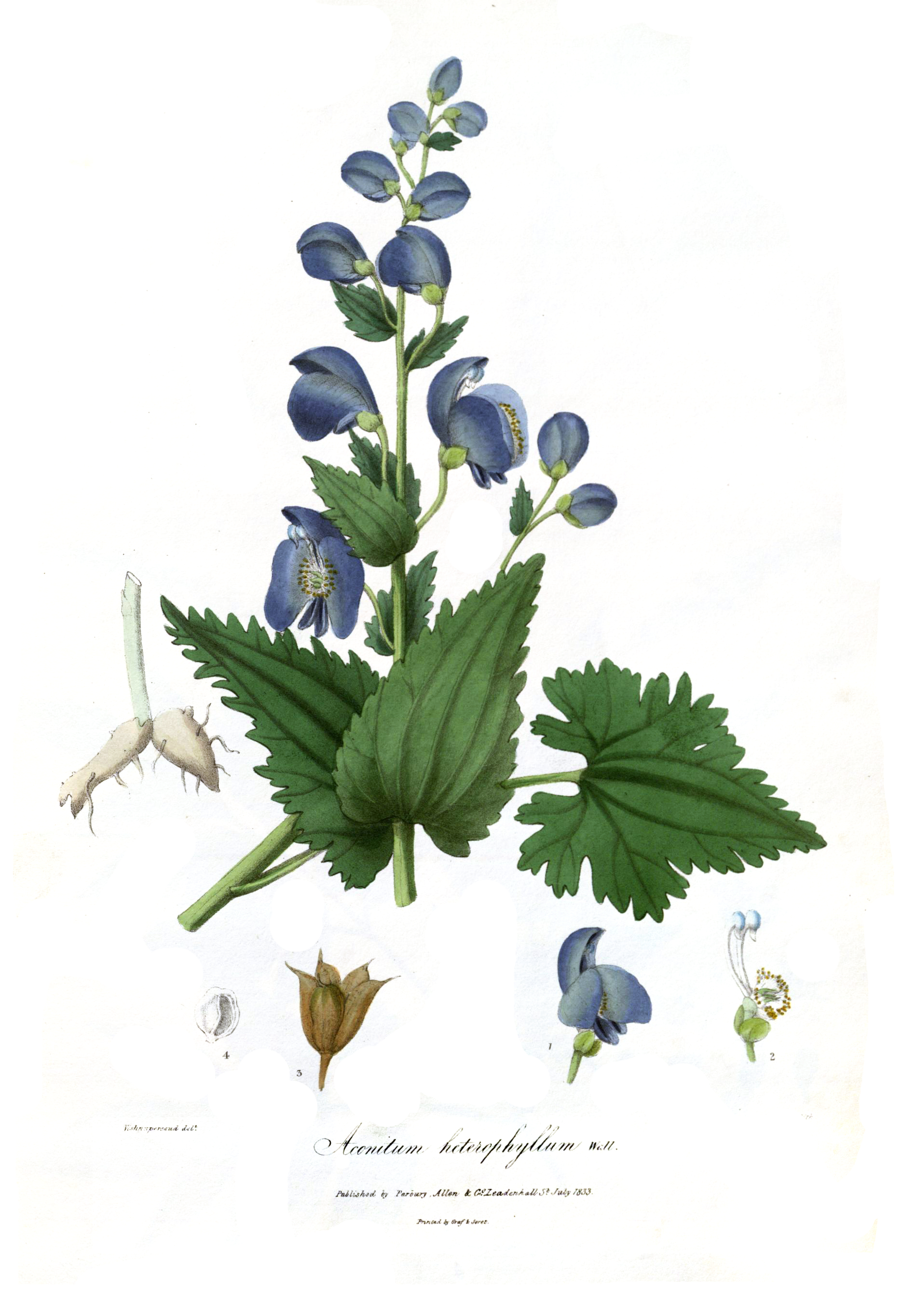
Aconitum heterophyllum
Ativisha (Aconitum heterophyllum) is a prominent herb in Ayurveda, thriving in the Himalayan regions. Its root and tuber are primarily used for their distinct properties. Traditionally, it's claimed to aid in various health aspects, supposedly balancing Vata, Pitta, and Kapha doshas. This herb requires careful handling due to potent alkaloids, making its use typically guided by experts.
PLANT FAMILY
Ranunculaceae (Buttercup)
PARTS USED
Root, Tuber
AYURVEDIC ACTION
Vata ↓, Pitta ↓, Kapha ↓
ACTIVE COMPOUNDS
Atisine (0.01-0.05%)

What is Ativisha?

Ativisha, or Aconitum heterophyllum, is a prominent herb in traditional medicine, particularly Ayurveda. Thriving in the Himalayan regions, this perennial plant is recognized for its root and tuber, which are the primary parts utilized. Its distinct properties have historically made it a subject of extensive study within ancient medicinal texts.

Despite its therapeutic significance, Ativisha requires careful handling due to the presence of potent alkaloids. Its application is typically guided by expert practitioners to ensure safety and efficacy, reflecting a deep respect for its complex biochemical profile.

Other Names of Ativisha

  • Indian Aconite
  • White Aconite
  • Ateesh
  • Visha
  • Arunavisha
AconitumRoyle

Benefits of Ativisha

Heading

<h3> Absolute Contraindications of Ativisha </h3> <h4> Pregnancy (risk to embryo and fetus)</h4> <ul> <li>🤰</li> <li>Recommendation: Avoid Ativisha in pregnancy; do not take it unless a qualified clinician with pregnancy-specific evidence supervises use.</li> <li>Reasoning: Aconitum alkaloids (the toxic class found across Aconitum species) have demonstrated harmful effects on developing embryos in experimental models; even low amounts of toxic aconite alkaloids can impair organogenesis and cause major malformations.</li> <li>Scientific_Study_Title: Study of aconitine toxicity in rat embryos in vitro.</li> <li>Scientific_Study_Authors: Leung, A.K.L., et al.</li> <li>Scientific_Study_Link: https://pubmed.ncbi.nlm.nih.gov/17570135/</li> <li>Scientific_Study_Excerpt: <p>The in vitro whole-embryo culture showed that aconitine exposure produced dose-dependent adverse effects on embryonic growth and differentiation. At concentrations ≥2.5 μg/mL there were measurable reductions in crown-rump and head length, reduced somite counts and lower morphological scores; at higher concentrations (5-10 μg/mL) severe dysmorphogenesis occurred including cardiac defects and brain malformations. These findings indicate aconitine-class compounds can disrupt organogenesis and cause structural developmental defects, supporting a recommendation to avoid such alkaloid-containing Aconitum preparations in pregnancy.</p> </li> </ul> <h4>Known cardiac arrhythmia or unstable cardiovascular disease</h4> <ul> <li>❤️‍🩹</li> <li>Recommendation: Do not use Ativisha if you have known arrhythmias or unstable heart disease; seek cardiology advice first.</li> <li>Reasoning: Aconitum alkaloids from Aconitum species are well-documented to cause severe ventricular arrhythmias, conduction blocks and sudden death; even small amounts in contaminated or unprocessed preparations can be dangerous to vulnerable hearts.</li> <li>Scientific_Study_Title: Toxicological investigation of 25 aconitine-induced deaths from 2005 to 2023.</li> <li>Scientific_Study_Authors: Multiple (forensic toxicology group; article compiles case data).</li> <li>Scientific_Study_Link: https://pubmed.ncbi.nlm.nih.gov/39746252/</li> <li>Scientific_Study_Excerpt: <p>A forensic series of aconitine-related fatalities showed that blood concentrations of aconitine and related alkaloids were associated with fatal cardiac events. Measured blood levels of aconitine in fatal cases ranged from low-nanogram to higher values, and the predominant clinical cause of death was cardiac arrhythmia. The authors underscore that Aconitum alkaloids can induce life-threatening ventricular arrhythmias and highlight the importance of detecting these alkaloids in poisoning cases. This data supports advising people with cardiac disease to avoid Aconitum products unless managed by specialists.</p> </li> </ul> <h4>Unprocessed or counterfeit Aconitum products (risk of variable toxic alkaloid content)</h4> <ul> <li>⚠️</li> <li>Recommendation: Never consume raw/untested Aconitum material or products of uncertain provenance; use only authenticated, properly processed and quality-tested preparations from reputable manufacturers.</li> <li>Reasoning: Some commercial or wild Aconitum samples contain hidden toxic diester-diterpenoid alkaloids (e.g., aconitine, mesaconitine) in variable amounts; improper processing or adulteration leads to unpredictable toxicity.</li> <li>Scientific_Study_Title: Systematic investigation on the distribution of four hidden toxic Aconitum alkaloids in commonly used Aconitum herbs and their acute toxicity.</li> <li>Scientific_Study_Authors: (Study authors reporting distribution of hidden toxic Aconitum alkaloids).</li> <li>Scientific_Study_Link: https://pubmed.ncbi.nlm.nih.gov/34814080/</li> <li>Scientific_Study_Excerpt: <p>This systematic analysis detected several toxic Aconitum alkaloids (including aconitine analogues) in some commercially used Aconitum herb samples and processed products; proportions varied by species and processing method. The study highlights that hidden toxic alkaloids can persist in preparations and that these compounds are associated with acute toxicity in animal models. The authors recommend rigorous testing and standardized processing to reduce poisoning risk. These results support treating raw/unverified Aconitum material as contraindicated for general use.</p> </li> </ul> <h3> Relative Contraindications of Ativisha </h3> <h4>Concurrent use of strong CYP3A4 or CYP2D6 inhibitors (drugs or herbs)</h4> <ul> <li>⚖️</li> <li>Recommendation: Use with caution and consult a clinician or pharmacist if taking strong CYP3A4/2D6 inhibitors (e.g., ketoconazole, some macrolides, certain protease inhibitors); dosage adjustments or avoidance may be needed.</li> <li>Reasoning: Aconitine and related alkaloids are metabolized mainly by CYP3A4/5 and CYP2D6; inhibitors of these enzymes can raise systemic concentrations and increase toxicity risk.</li> <li>Scientific_Study_Title: Involvement of CYP3A4/5 and CYP2D6 in the metabolism of aconitine using human liver microsomes and recombinant CYP450 enzymes.</li> <li>Scientific_Study_Authors: (Authors of the CYP metabolism study).</li> <li>Scientific_Study_Link: https://pubmed.ncbi.nlm.nih.gov/21277363/</li> <li>Scientific_Study_Excerpt: <p>In human liver microsomes and recombinant enzyme assays the investigators found that aconitine undergoes CYP-mediated metabolism, with CYP3A4/5 and CYP2D6 producing major metabolites by demethylation, deethylation and dehydrogenation pathways. Inhibition of CYP3A strongly reduced aconitine metabolism in vitro. The authors conclude that drugs or herbs that inhibit CYP3A4/5 or CYP2D6 could substantially alter aconitine clearance and raise exposure, increasing the potential for toxic effects.</p> </li> </ul> <h4>Concurrent use of herbs that alter Aconitum alkaloid pharmacokinetics (herb-herb interactions)</h4> <ul> <li>🌿</li> <li>Recommendation: Avoid combining Ativisha with herbs known to change Aconitum alkaloid metabolism (e.g., Panax ginseng) unless guided by an expert; monitor closely for adverse effects.</li> <li>Reasoning: Some herbal products can inhibit CYP3A or otherwise alter clearance of Aconitum alkaloids, leading to higher blood levels and greater toxicity.</li> <li>Scientific_Study_Title: Panax ginseng inhibits metabolism of diester alkaloids by downregulating CYP3A4 enzyme activity via the pregnane X receptor.</li> <li>Scientific_Study_Authors: (Authors of the Panax ginseng study).</li> <li>Scientific_Study_Link: https://pubmed.ncbi.nlm.nih.gov/31057647/</li> <li>Scientific_Study_Excerpt: <p>Rats given Panax ginseng extracts showed decreased clearance of aconitine family diester alkaloids and downregulation of hepatic CYP3A4/PXR expression. In vitro assays and microsomal incubations confirmed that ginseng components reduced CYP3A-mediated metabolism of aconitine and related compounds. The investigators warn that concomitant ginseng use can raise circulating levels of toxic alkaloids and alter pharmacokinetics, supporting caution when combining such herbs with Aconitum preparations.</p> </li> </ul> <h4>Use in infants and young children (age-related vulnerability)</h4> <ul> <li>🧒</li> <li>Recommendation: Avoid giving Ativisha to infants and young children except under specialist pediatric supervision; children are more susceptible to toxic effects from Aconitum alkaloids.</li> <li>Reasoning: Experimental and forensic data on aconitine and Aconitum poisoning show severe outcomes at relatively low exposures; immature metabolism and smaller body mass increase risk in children.</li> <li>Scientific_Study_Title: [Toxicological investigation of aconitine-related cases - case series and animal studies demonstrating high potency].</li> <li>Scientific_Study_Authors: See case series authors in the toxicology review.</li> <li>Scientific_Study_Link: https://pubmed.ncbi.nlm.nih.gov/39746252/</li> <li>Scientific_Study_Excerpt: <p>Forensic compilation of aconitine poisonings highlights that small amounts may cause severe cardiotoxic and neurotoxic outcomes; age and body size influence blood levels associated with fatality. While not all cases specify pediatric ages, the pattern of high potency and rapid onset of arrhythmia/neurological collapse supports treating young children as a vulnerable group who should not receive Aconitum preparations without specialist oversight.</p> </li> </ul>

Heading

<h4>Heart rhythm disturbances (palpitations, fainting, ventricular arrhythmia)</h4> <ul> <li>❤️</li> <li>Side effect summary: Aconitum alkaloids can cause fast or irregular heartbeats, lightheadedness, fainting and, in severe cases, dangerous ventricular arrhythmias.</li> <li>Recommendation: Stop use immediately and seek emergency care for chest pain, severe palpitations, syncope or breathlessness. Do not combine with other cardiotoxic drugs.</li> <li>Reasoning: Toxic Aconitum alkaloids act on cardiac sodium channels and can provoke life-threatening arrhythmias even at low blood concentrations in susceptible persons.</li> <li>Severity Level: Severe</li> <li>Scientific_Study_Available: Yes</li> <li>Scientific_Study_Title: Toxicological investigation of 25 aconitine-induced deaths from 2005 to 2023.</li> <li>Scientific_Study_Authors: Forensic toxicology investigators (case series authors).</li> <li>Scientific_Study_Link: https://pubmed.ncbi.nlm.nih.gov/39746252/</li> <li>Scientific_Study_Excerpt: <p>Analysis of aconitine-related fatalities revealed blood aconitine levels correlated with fatal cardiac events; predominant cause of death was arrhythmia. The study emphasizes that aconitine and related alkaloids produce electrophysiological disturbances leading to ventricular tachyarrhythmias and fatal outcomes in poisoning cases, underscoring the severe cardiac risk.</p> </li> </ul> <h4>Nausea, vomiting, abdominal pain</h4> <ul> <li>🤢</li> <li>Side effect summary: Gastrointestinal upset including nausea, vomiting and abdominal pain may occur, particularly with higher doses or contaminated/poorly processed products.</li> <li>Recommendation: Reduce dose or stop use if mild GI symptoms occur; seek medical review if symptoms are severe, persistent or accompanied by fainting or palpitations.</li> <li>Reasoning: Aconitum preparations can irritate the GI tract and systemic toxicity often begins with GI symptoms before progressing to cardiac or neurological signs.</li> <li>Severity Level: Moderate</li> <li>Scientific_Study_Available: Yes</li> <li>Scientific_Study_Title: Antisecretory and antimotility activity of Aconitum heterophyllum and its significance in treatment of diarrhea.</li> <li>Scientific_Study_Authors: (Authors of the antidiarrheal study).</li> <li>Scientific_Study_Link: https://pubmed.ncbi.nlm.nih.gov/24550590/</li> <li>Scientific_Study_Excerpt: <p>The study of ethanolic root extract showed effects on intestinal secretion and motility; while therapeutic in antidiarrheal models, the paper reports dose-related effects on intestinal transit and fluid balance. In practice, GI irritation is reported with Aconitum products when improperly processed or overdosed, and early complaints commonly include nausea and abdominal discomfort before systemic toxicity.</p> </li> </ul> <h4>Neurological symptoms (tingling, numbness, dizziness, seizures in severe poisoning)</h4> <ul> <li>🧠</li> <li>Side effect summary: Early neurotoxic signs include paresthesias (tingling, numbness), dizziness, headache and in severe poisoning confusion, coma or seizures.</li> <li>Recommendation: Discontinue product and seek urgent medical assessment if neurological symptoms appear; seizures require emergency care.</li> <li>Reasoning: Aconitum alkaloids alter neuronal ion channels and neurotransmission; animal and human poisoning reports document rapid onset neurotoxic signs often prior to fatal cardiac events.</li> <li>Severity Level: Severe</li> <li>Scientific_Study_Available: Yes</li> <li>Scientific_Study_Title: Aconitine: a review of its pharmacokinetics, pharmacology, toxicology and detoxification.</li> <li>Scientific_Study_Authors: (Review authors summarizing aconitine toxicology).</li> <li>Scientific_Study_Link: https://pubmed.ncbi.nlm.nih.gov/35405250/</li> <li>Scientific_Study_Excerpt: <p>Comprehensive review documents that aconitine binds to voltage-gated sodium channels causing persistent activation and resultant neuronal and cardiac excitability. Clinical and experimental reports describe paresthesias, dizziness, altered consciousness and seizures in severe exposures. The mechanistic and case evidence support neurological effects as a recognized and potentially severe consequence of Aconitum alkaloid toxicity.</p> </li> </ul>

Heading

<h4>CYP3A4 inhibitors (e.g., ketoconazole, some macrolide antibiotics)</h4> <ul> <li>Interaction_Details: Drugs that strongly inhibit CYP3A4 can reduce breakdown of aconitine-type alkaloids, raising blood levels and increasing risk of toxicity (arrhythmia, neurotoxicity).</li> <li>Severity: Severe</li> <li>Recommendation: Avoid co-administration where possible; if unavoidable, use only under close medical supervision with cardiac monitoring and dose adjustment or choose alternatives.</li> <li>Scientific_Study_Available: Yes</li> <li>Scientific_Study_Link: https://pubmed.ncbi.nlm.nih.gov/21277363/</li> <li>Scientific_Study_Title: Involvement of CYP3A4/5 and CYP2D6 in the metabolism of aconitine using human liver microsomes and recombinant CYP450 enzymes.</li> <li>Scientfic_Study_Authors: (Authors of the CYP metabolism study).</li> <li>Scientific_Study_Excerpt: <p>In vitro human liver microsome and recombinant enzyme data showed CYP3A4/5 and CYP2D6 play central roles in aconitine metabolism; inhibitors of CYP3A markedly reduced aconitine biotransformation. The authors conclude that compounds or drugs that inhibit CYP3A could increase systemic aconitine exposure, providing a mechanistic basis for severe drug-drug interactions and heightened toxicity risk.</p> </li> </ul> <h4>Panax ginseng (herbal interaction altering metabolism)</h4> <ul> <li>Interaction_Details: Ginseng extracts reduced hepatic CYP3A expression and slowed clearance of diester Aconitum alkaloids in animal studies, increasing their systemic exposure.</li> <li>Severity: Moderate</li> <li>Recommendation: Avoid concurrent use of ginseng with Ativisha unless monitored; consider spacing or supervision by a clinician familiar with herb-herb interactions.</li> <li>Scientific_Study_Available: Yes</li> <li>Scientific_Study_Link: https://pubmed.ncbi.nlm.nih.gov/31057647/</li> <li>Scientific_Study_Title: Panax ginseng inhibits metabolism of diester alkaloids by downregulating CYP3A4 enzyme activity via the pregnane X receptor.</li> <li>Scientfic_Study_Authors: (Authors of the ginseng/CYP study).</li> <li>Scientific_Study_Excerpt: <p>Experimental work in rats showed Panax ginseng decreased CYP3A expression and reduced microsomal metabolism of aconitine family alkaloids, resulting in higher tissue and plasma levels. The authors link this effect to PXR/CYP3A downregulation and warn that concurrent ginseng may potentiate alkaloid exposure and toxicity-an important herb-herb interaction consideration when using Aconitum preparations.</p> </li> </ul> <h4>Paeoniflorin / Paeonia lactiflora components (herb-herb pharmacokinetic interaction)</h4> <ul> <li>Interaction_Details: Paeoniflorin co-administration altered aconitine pharmacokinetics and reduced acute toxicity in animal models-this demonstrates that some co-administered herbal constituents can significantly change aconitine exposure.</li> <li>Severity: Mild</li> <li>Recommendation: Herb combinations can unpredictably raise or lower Aconitum alkaloid toxicity; do not self-combine herbs-use only under expert guidance.</li> <li>Scientific_Study_Available: Yes</li> <li>Scientific_Study_Link: https://pubmed.ncbi.nlm.nih.gov/21930193/</li> <li>Scientific_Study_Title: Paeoniflorin reduced acute toxicity of aconitine in rats is associated with the pharmacokinetic alteration of aconitine.</li> <li>Scientfic_Study_Authors: (Authors of paeoniflorin study).</li> <li>Scientific_Study_Excerpt: <p>In rats co-administered paeoniflorin and aconitine, paeoniflorin lowered aconitine Cmax, delayed Tmax and increased LD50, reducing death rates compared with aconitine alone. The investigators attributed reduced acute toxicity to altered aconitine pharmacokinetics by paeoniflorin, demonstrating that herbal constituents can markedly modify safety profiles of Aconitum alkaloids. This supports careful evaluation of herb combinations.</p> </li> </ul>