Arjuna
Terminalia arjuna
Arjuna (Terminalia arjuna) is a revered herb in Ayurveda, known for its claimed cardiotonic effects and widespread presence in India. Its bark is primarily used for its supposed benefits in supporting heart health. This ancient herb, also known as Arjun tree, has been a cornerstone in traditional Ayurvedic practices for centuries.
PLANT FAMILY
Combretaceae (White Mangrove)
AYURVEDIC ACTION
Vata ↓, Pitta ↓, Kapha ↓
ACTIVE COMPOUNDS
Arjunolic acid (2-5%)
What is Arjuna?
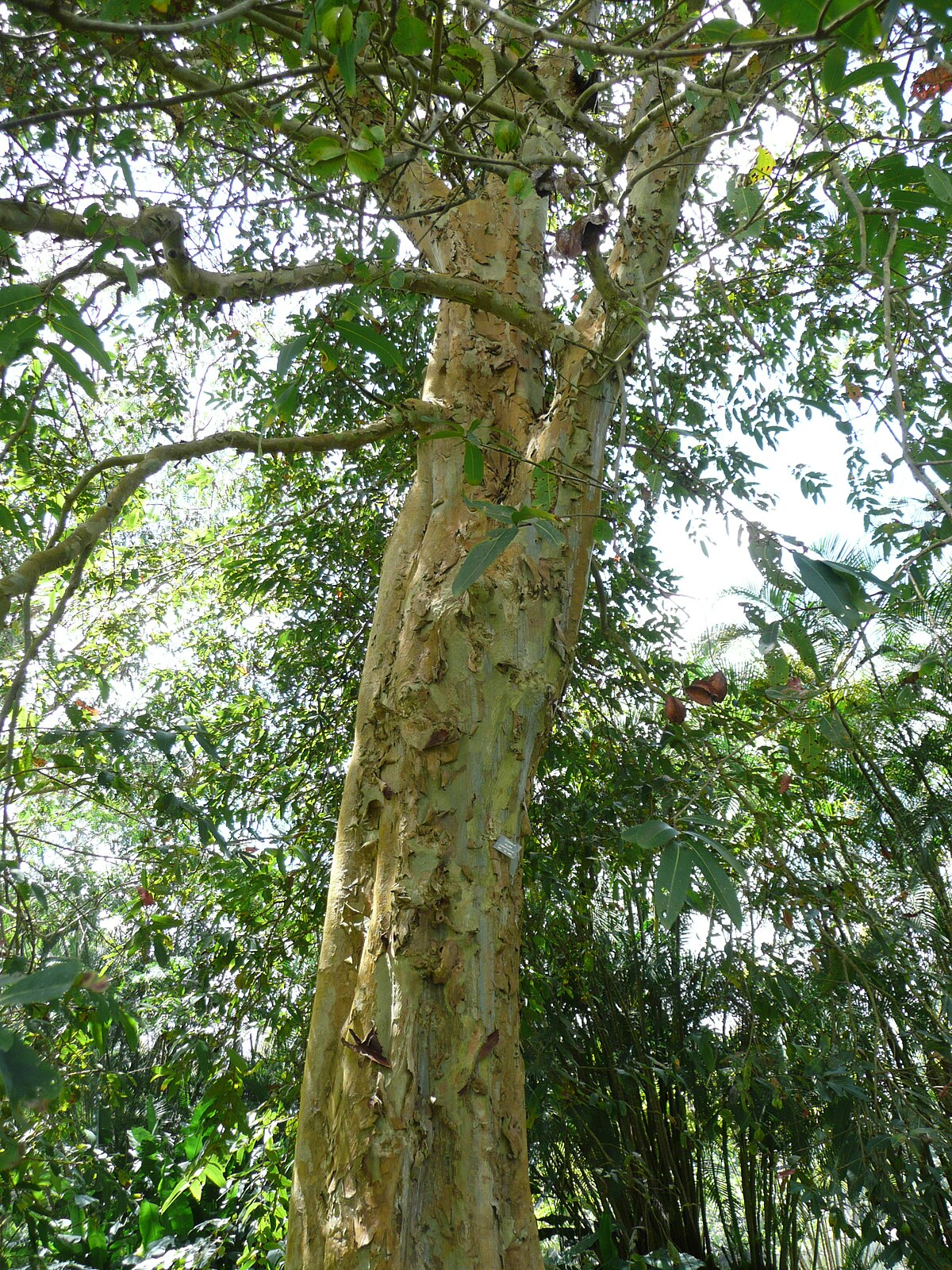
Arjuna, scientifically known as Terminalia arjuna, is a prominent medicinal plant belonging to the Combretaceae family, commonly referred to as the White Mangrove family. Native to India, it is widely recognized for its distinctive smooth, whitish bark, which is the primary part used for its therapeutic properties. The tree also produces fruit, though the bark remains its most significant botanical contribution to traditional medicine.
Known for its robust growth and widespread presence in various Indian landscapes, Arjuna has been a cornerstone in traditional Ayurvedic practices for centuries, particularly valued for its cardiotonic effects.
Other Names of Arjuna
- Arjun tree
- White Murdah
- Kohu
- Kumbuk
- Nadisarja
Heading
<h3> Absolute Contraindications of Arjuna </h3> <h4> People on anticoagulant or antiplatelet therapy (e.g., warfarin, clopidogrel, aspirin) [Having a blood-thinning medication]</h4> <ul> <li>🩸</li> <li>Recommendation: Avoid taking Arjuna together with anticoagulant or antiplatelet medicines unless supervised by your prescribing clinician.</li> <li>Reasoning: Laboratory and human platelet studies show arjuna bark extracts reduce platelet activation and aggregation; adding this to conventional blood-thinning drugs may increase bleeding risk.</li> <li>Scientific_Study_Title: Inhibitory effects of Terminalia arjuna on platelet activation in vitro in healthy subjects and patients with coronary artery disease.</li> <li>Scientific_Study_Authors: Namita Malik, Veena Dhawan, Ajay Bahl, Deepak Kaul</li> <li>Scientific_Study_Link: https://pubmed.ncbi.nlm.nih.gov/19437336/</li> <li>Scientific_Study_Excerpt: <p>Short quoted sentence (under 25 words): "TAE was able to significantly inhibit platelet aggregation both in patient and control groups."</p> <p>Paraphrase (study relevance): The paper reports that ethanolic bark extract of T. arjuna reduced platelet aggregation, decreased P-selectin expression and attenuated intracellular Ca2+ release on activation in both healthy subjects and coronary disease patients; these antiplatelet actions provide a mechanistic basis for clinically relevant increased bleeding if combined with anticoagulant or antiplatelet drugs.</p> </li> </ul> <h4> Active bleeding or known bleeding disorders (e.g., hemophilia) [If you bleed easily]</h4> <ul> <li>⚠️</li> <li>Recommendation: Do not use Arjuna during active bleeding or if you have a diagnosed bleeding disorder.</li> <li>Reasoning: Because arjuna can reduce platelet aggregation, it may impair normal clot formation and prolong bleeding.</li> <li>Scientific_Study_Title: Inhibitory effects of Terminalia arjuna on platelet activation in vitro in healthy subjects and patients with coronary artery disease.</li> <li>Scientific_Study_Authors: Namita Malik, Veena Dhawan, Ajay Bahl, Deepak Kaul</li> <li>Scientific_Study_Link: https://pubmed.ncbi.nlm.nih.gov/19437336/</li> <li>Scientific_Study_Excerpt: <p>Short quoted sentence (under 25 words): "TAE decreases platelet activation and may possess antithrombotic properties."</p> <p>Paraphrase (study relevance): The study’s demonstration of antiplatelet effects supports the practical recommendation that Arjuna should not be used when clotting needs to be preserved (active bleeding, bleeding diatheses), because its action could worsen or prolong bleeding.</p> </li> </ul> <h4> Pregnancy and breastfeeding [Pregnant or nursing women]</h4> <ul> <li>🤰</li> <li>Recommendation: Avoid use during pregnancy and lactation; consult an obstetrician before any herbal use.</li> <li>Reasoning: There is insufficient safety data in humans for pregnancy and some animal studies show biologic effects (e.g., on thyroid hormones and tissue oxidative markers) suggesting potential fetal or maternal risk; absence of evidence of safety is not the same as evidence of safety.</li> <li>Scientific_Study_Title: Is it safe to consume traditional medicinal plants during pregnancy? - a safety review.</li> <li>Scientific_Study_Authors: (review authors as in PubMed record)</li> <li>Scientific_Study_Link: https://pubmed.ncbi.nlm.nih.gov/33164294/</li> <li>Scientific_Study_Excerpt: <p>Short quoted sentence (under 25 words): "Medicinal plants and herbal remedies contain substances that can be toxic to the human body and the fetus."</p> <p>Paraphrase (study relevance): The review warns that many herbal products lack rigorous safety data in pregnancy; because Arjuna has pharmacologic cardiovascular and endocrine effects shown in preclinical work, the conservative position is to avoid it during pregnancy and breastfeeding until robust human safety data are available.</p> </li> </ul> <h3> Relative Contraindications of Arjuna </h3> <h4> Concomitant use with beta-blockers (e.g., metoprolol) or other cardiac drugs cleared by CYP2D6 [If you take certain heart medicines]</h4> <ul> <li>💊</li> <li>Recommendation: Use with caution and only under clinician supervision; close monitoring or dose adjustment of the other drug may be required.</li> <li>Reasoning: Animal pharmacokinetic studies show arjuna extracts can alter CYP2D-mediated drug metabolism and reduce metoprolol plasma exposure and its therapeutic effects - this may change the effectiveness of co-prescribed medicines cleared by CYP2D6.</li> <li>Scientific_Study_Title: In Vitro CYP2D Inhibitory Effect and Influence on Pharmacokinetics and Pharmacodynamic Parameters of Metoprolol Succinate by Terminalia arjuna in Rats.</li> <li>Scientific_Study_Authors: Alice Varghese, Jay Savai, Shruti Mistry, Preeti Khandare, Kalyani Barve, Nancy Pandita, Ram Gaud</li> <li>Scientific_Study_Link: https://pubmed.ncbi.nlm.nih.gov/26891872/</li> <li>Scientific_Study_Excerpt: <p>Short quoted sentence (under 25 words): "Pharmacokinetic studies showed... a significant reduction in AUC0-24h and Cmax of metoprolol."</p> <p>Paraphrase (study relevance): In this rat study, arjuna extracts inhibited CYP2D in vitro and reduced metoprolol exposure and its blood-pressure lowering effect in vivo; while animal data do not always predict humans, this supports caution when combining Arjuna with drugs cleared by CYP2D6 (including many beta-blockers and antidepressants).</p> </li> </ul> <h4> Use with drugs metabolized by CYP enzymes (CYP1A, CYP2D, CYP3A etc.) [Taking medicines processed by liver enzymes]</h4> <ul> <li>🧪</li> <li>Recommendation: Discuss with your prescriber; avoid combining without monitoring if the co-drug has a narrow therapeutic index.</li> <li>Reasoning: In vitro work shows arjuna extracts can inhibit CYP1A, CYP2D, CYP3A and CYP2C9 enzymes; such inhibition can change blood levels of co-medicines and either increase side effects or reduce effectiveness depending on the drug.</li> <li>Scientific_Study_Title: In vitro modulatory effects of Terminalia arjuna on CYP3A4, CYP2D6 and CYP2C9 activity in human liver microsomes.</li> <li>Scientific_Study_Authors: (as listed on the PubMed record)</li> <li>Scientific_Study_Link: https://pubmed.ncbi.nlm.nih.gov/28962416/</li> <li>Scientific_Study_Excerpt: <p>Short quoted sentence (under 25 words): "Arjuna extracts significantly inhibit the activity of CYP3A4, CYP2D6 and CYP2C9 enzymes."</p> <p>Paraphrase (study relevance): The human microsomal study found reversible non-competitive inhibition of major drug-metabolizing enzymes by whole arjuna extracts; this biochemical interaction can change drug levels of many common medications, so caution and monitoring are advised when combining with narrow-therapeutic-index drugs.</p> </li> </ul>
Heading
<h4> Mild stomach upset or nausea</h4> <ul> <li>🤢</li> <li>Side effect summary: Some people report nausea, gastritis, abdominal discomfort or constipation when taking arjuna bark preparations.</li> <li>Recommendation: Take with food or reduce dose; stop and consult a clinician if symptoms persist or worsen.</li> <li>Reasoning: Clinical trials and reviews note mild GI complaints as the most frequent adverse effects; these are typically self-limited at commonly used doses (e.g., 500 mg tds in studies).</li> <li>Severity Level: Mild</li> <li>Scientific_Study_Available: Yes</li> <li>Scientific_Study_Title: Revisiting Terminalia arjuna - An Ancient Cardiovascular Drug (review)</li> <li>Scientific_Study_Authors: S. Dwivedi, D. Chopra (and others as per PubMed record)</li> <li>Scientific_Study_Link: https://pubmed.ncbi.nlm.nih.gov/25379463/</li> <li>Scientific_Study_Excerpt: <p>Short quoted sentence (under 25 words): "Mild side effects like nausea, gastritis, headache, bodyache, constipation, and insomnia have been reported."</p> <p>Paraphrase (study relevance): The review summarizes clinical trial safety data showing mostly mild gastrointestinal and CNS complaints with arjuna use at trial doses; serious adverse effects are not commonly reported in available human studies but long-term safety needs more data.</p> </li> </ul> <h4> Possible thyroid suppression (animal evidence) - may affect thyroid hormones</h4> <ul> <li>🧾</li> <li>Side effect summary: Animal studies have shown reductions in circulating thyroid hormones after arjuna extract; this suggests potential for altering thyroid balance if taken in high doses or for long durations.</li> <li>Recommendation: If you have thyroid disease or take thyroid medicines, consult your endocrinologist before using Arjuna and monitor thyroid tests if use is considered.</li> <li>Reasoning: A preclinical study reported lowered thyroid hormone levels and suggested the herb can exert antithyroid-like effects in animals at experimental doses.</li> <li>Severity Level: Moderate</li> <li>Scientific_Study_Available: Yes (animal study)</li> <li>Scientific_Study_Title: Cardio-protective role of Terminalia arjuna bark extract is possibly mediated through alterations in thyroid hormones.</li> <li>Scientific_Study_Authors: H. S. Parmar, S. Panda, R. Jatwa, A. Kar</li> <li>Scientific_Study_Link: https://pubmed.ncbi.nlm.nih.gov/17020158/</li> <li>Scientific_Study_Excerpt: <p>Short quoted sentence (under 25 words): "Administration of the plant extract decreased the level of thyroid hormones."</p> <p>Paraphrase (study relevance): In this rat study, arjuna extract reduced serum thyroid hormones and altered hepatic lipid-peroxidation markers; while animal findings do not prove the same effect in humans, they justify caution in patients with thyroid disorders and support monitoring if arjuna is used.</p> </li> </ul> <h4> Rare or dose-related liver effects (mixed data)</h4> <ul> <li>🟡</li> <li>Side effect summary: Most human trials report no clinically significant liver toxicity at trial doses, but some experimental data show changes in hepatic oxidative markers at high doses in animals; isolated cytotoxic findings exist in cell models.</li> <li>Recommendation: People with pre-existing liver disease should consult a hepatologist; stop and seek medical attention if you develop jaundice, dark urine, severe abdominal pain or persistent nausea.</li> <li>Reasoning: Several preclinical studies demonstrate hepatoprotective activity in some models and cytotoxic/apoptotic effects in hepatoma cell lines at higher concentrations; overall evidence is mixed and dose-dependent.</li> <li>Severity Level: Moderate</li> <li>Scientific_Study_Available: Yes</li> <li>Scientific_Study_Title: Effects of Terminalia arjuna bark extract on apoptosis of human hepatoma cell line HepG2.</li> <li>Scientific_Study_Authors: Sarveswaran Sivalokanathan, Marati Radhakrishnan Vijayababu, Maruthaiveeran Periyasamy Balasubramanian</li> <li>Scientific_Study_Link: https://pubmed.ncbi.nlm.nih.gov/16810797/</li> <li>Scientific_Study_Excerpt: <p>Short quoted sentence (under 25 words): "T. arjuna extract induced apoptosis in HepG2 cells."</p> <p>Paraphrase (study relevance): Cell-line and some animal experiments show dose-dependent cytotoxic or protective effects depending on model and concentration; human clinical trials at commonly used doses report few liver problems, but the mixed preclinical signal supports monitoring in patients with liver disease or when using high-dose extracts.</p> </li> </ul>
Heading
<h4> Anticoagulants / Antiplatelet agents (warfarin, clopidogrel, aspirin)</h4> <ul> <li>Interaction_Details: Arjuna extracts reduce platelet activation and aggregation; combining with blood-thinning medicines can increase bleeding risk or bruising. </li> <li>Severity: Moderate</li> <li>Recommendation: Avoid concurrent use without medical supervision; if combined, monitor bleeding signs and lab tests (INR for warfarin) closely and coordinate with the prescribing clinician.</li> <li>Scientific_Study_Available: Yes</li> <li>Scientific_Study_Link: https://pubmed.ncbi.nlm.nih.gov/19437336/</li> <li>Scientific_Study_Title: Inhibitory effects of Terminalia arjuna on platelet activation in vitro in healthy subjects and patients with coronary artery disease.</li> <li>Scientfic_Study_Authors: Namita Malik, Veena Dhawan, Ajay Bahl, Deepak Kaul</li> <li>Scientific_Study_Excerpt: <p>Short quoted sentence (under 25 words): "TAE was able to significantly inhibit platelet aggregation."</p> <p>Paraphrase (study relevance): The in-vitro human platelet data provide a plausible mechanism for increased bleeding when Arjuna is taken with other anticoagulant or antiplatelet drugs; thus monitoring or avoidance is prudent.</p> </li> </ul> <h4> Beta-blockers (example: metoprolol)</h4> <ul> <li>Interaction_Details: In a controlled animal study, arjuna extract altered CYP2D metabolism and reduced metoprolol blood levels and its pharmacodynamic effect - which could make the beta-blocker less effective or unpredictably change dosing needs.</li> <li>Severity: Moderate</li> <li>Recommendation: Consult the prescribing physician before combining; consider therapeutic monitoring and dose review of the cardiac drug if use is unavoidable.</li> <li>Scientific_Study_Available: Yes</li> <li>Scientific_Study_Link: https://pubmed.ncbi.nlm.nih.gov/26891872/</li> <li>Scientific_Study_Title: In Vitro CYP2D Inhibitory Effect and Influence on Pharmacokinetics and Pharmacodynamic Parameters of Metoprolol Succinate by Terminalia arjuna in Rats.</li> <li>Scientfic_Study_Authors: Alice Varghese, Jay Savai, Shruti Mistry, Preeti Khandare, Kalyani Barve, Nancy Pandita, Ram Gaud</li> <li>Scientific_Study_Excerpt: <p>Short quoted sentence (under 25 words): "Aqueous bark extract of T. arjuna led to a significant reduction in AUC0-24h and Cmax of metoprolol succinate."</p> <p>Paraphrase (study relevance): The study found pharmacokinetic and pharmacodynamic changes when arjuna and metoprolol were combined in rats; while human data are limited, this indicates a potential clinically important herb-drug interaction requiring caution.</p> </li> </ul> <h4> Drugs metabolized by CYP enzymes (CYP3A4, CYP2D6, CYP2C9, CYP1A substrates)</h4> <ul> <li>Interaction_Details: In vitro human microsome studies show arjuna extracts can inhibit major CYP enzymes; this can raise or lower levels of co-medicines depending on the metabolic pathway and drug properties.</li> <li>Severity: Moderate</li> <li>Recommendation: If you take medications with narrow therapeutic windows metabolized by these enzymes (e.g., certain antiarrhythmics, antidepressants, immunosuppressants), consult your clinician before using Arjuna; therapeutic drug monitoring may be needed.</li> <li>Scientific_Study_Available: Yes</li> <li>Scientific_Study_Link: https://pubmed.ncbi.nlm.nih.gov/28962416/</li> <li>Scientific_Study_Title: In vitro modulatory effects of Terminalia arjuna, arjunic acid, arjunetin and arjungenin on CYP3A4, CYP2D6 and CYP2C9 enzyme activity in human liver microsomes.</li> <li>Scientfic_Study_Authors: (authors listed on PubMed record)</li> <li>Scientific_Study_Excerpt: <p>Short quoted sentence (under 25 words): "Alcoholic and aqueous bark extract of T. arjuna showed potent inhibition of all three enzymes."</p> <p>Paraphrase (study relevance): These in-vitro inhibition data justify clinical caution: concomitant drugs cleared mainly by these CYPs could have altered concentrations when taken with arjuna extracts.</p> </li> </ul> <h4> Antihypertensive drugs / perioperative period (drugs and surgery)</h4> <ul> <li>Interaction_Details: Arjuna has been associated with blood-pressure lowering and in experimental settings with exaggerated intraoperative hypotension; combined effects with antihypertensive medicines or during anesthesia could cause low blood pressure.</li> <li>Severity: Moderate</li> <li>Recommendation: Inform your anesthesiologist and stop herbal products (including Arjuna) 2-3 weeks before scheduled surgery; adjust antihypertensive medications under medical guidance if starting Arjuna.</li> <li>Scientific_Study_Available: Yes</li> <li>Scientific_Study_Link: https://journals.lww.com/ijaweb/fulltext/2007/51030/effect_of_common_herbal_medicines_on_patients.4.aspx</li> <li>Scientific_Study_Title: Effect of common herbal medicines on patients undergoing anaesthesia (review article highlighting perioperative implications).</li> <li>Scientfic_Study_Authors: Yatindra Kumar Batra, Subramanyam Rajeev</li> <li>Scientific_Study_Excerpt: <p>Short quoted sentence (under 25 words): "It may be prudent to stop these herbal medicines at least 2-3 weeks prior to anaesthesia and surgery."</p> <p>Paraphrase (study relevance): The review lists Arjuna among herbs with potential perioperative cardiovascular effects (including hypotension) and recommends discontinuation before surgery to avoid unexpected intraoperative instability.</p> </li> </ul>