Angoor (Grapes)
Vitis
Angoor (Grapes), a widely consumed fruit, is recognized in Ayurveda for its supposed balancing effects on Vata and Pitta doshas while potentially increasing Kapha. It is prevalent for its claimed benefits in digestive health and as a nourishing food. These sweet-tart fruits are widely available and valued in traditional practices.
PLANT FAMILY
Vitaceae (Grape)
AYURVEDIC ACTION
Vata ↓, Pitta ↓, Kapha ↑
ACTIVE COMPOUNDS
Resveratrol (0.01-0.05%)
What is Angoor (Grapes)?
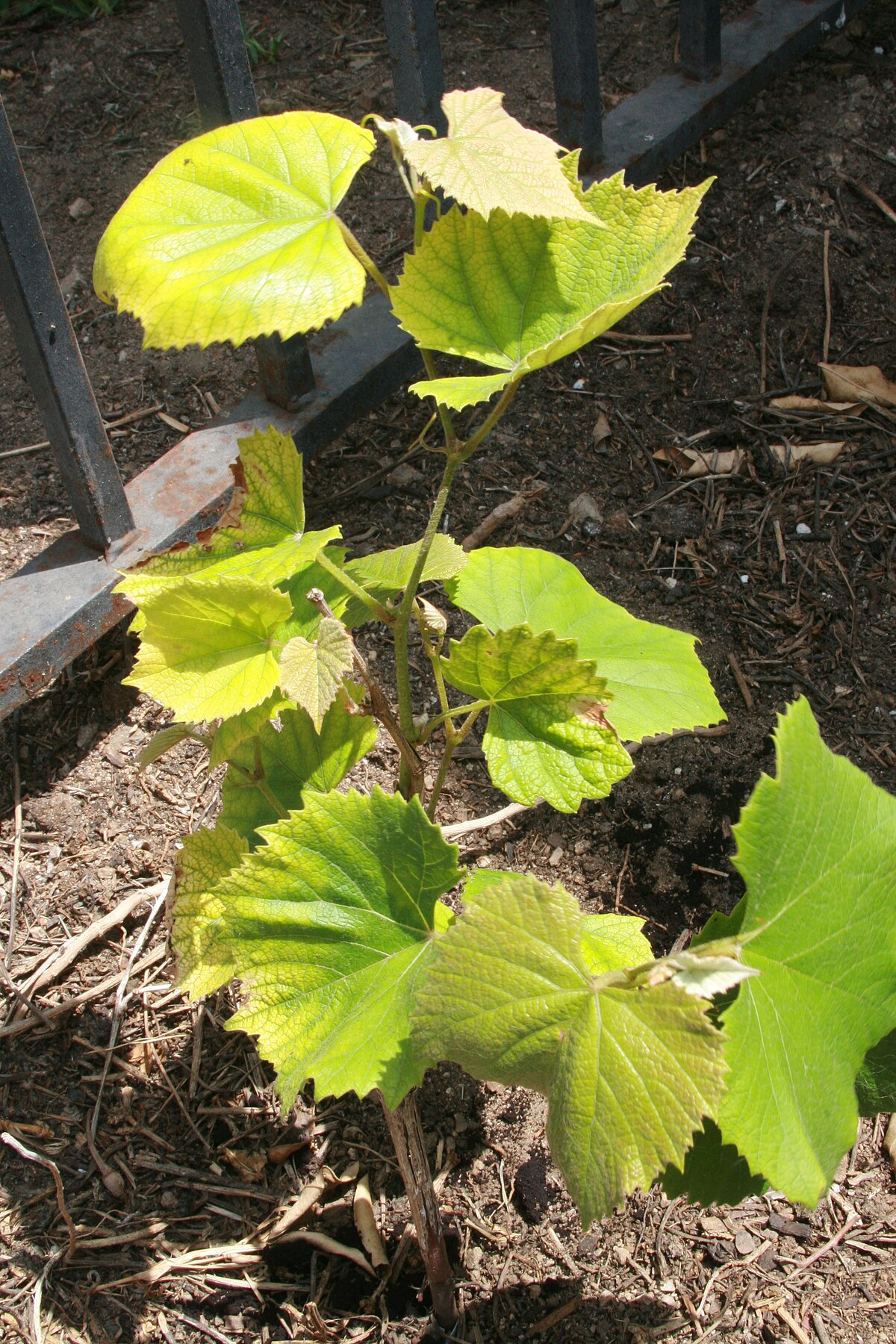
Angoor, commonly known as Grapes (scientific name: Vitis), are the fruit of a deciduous woody vine belonging to the Vitaceae family. These globally cultivated berries grow in clusters and vary widely in color, size, and sweetness, adapting to diverse climates. Each grape typically contains a juicy pulp, often with small seeds, encased in a thin skin.
Prized for both fresh consumption and their pivotal role in wine production, grapes are also processed into juice, jams, and dried forms like raisins. Their versatility extends to culinary applications and traditional uses, making them a significant agricultural commodity.
Other Names of Angoor (Grapes)
- Common Grape
- Wine Grape
- Table Grape
- Raisin Grape
Benefits of Angoor (Grapes)
Heading
<h3> Absolute Contraindications of Angoor (Grapes) </h3> <h4> Known severe allergy / anaphylaxis to grapes [You have immediate allergic reaction to grapes]</h4> <ul> <li> 🍇 ⚠️ <li> Recommendation: Avoid all grape products (fresh grapes, juice, wine, raisins). Carry emergency allergy medication and seek specialist testing if uncertain. <li> Reasoning: People with IgE-mediated grape allergy can develop life-threatening anaphylaxis after ingestion; even small amounts or processed grape products (wine, raisins) may trigger reactions. <li> Scientific_Study_Title: Grape anaphylaxis: a study of 11 adult onset cases. <li> Scientific_Study_Authors: Dimitrios C Kalogeromitros, Michael P Makris, Stamatios G Gregoriou, Vassiliki G Mousatou, Nikolaos G Lyris, Katerina E Tarassi, Chryssa A Papasteriades. <li> Scientific_Study_Link: https://pubmed.ncbi.nlm.nih.gov/15813289/ <li> Scientific_Study_Excerpt: <p>Paraphrase: This prospective clinical series described 11 adults with recurring IgE-mediated reactions to grapes or grape products, reporting 35 anaphylaxis episodes ranging from moderate to severe. Investigations (skin tests, specific IgE) confirmed grape sensitization, and many patients reacted to multiple grape-derived foods (wine, raisins, stuffed vine leaves). The authors concluded that grapes and related products can provoke serious allergic reactions in sensitized individuals, and cross-reactivity with other fruit allergens was common in these patients.</p> <p>Clinical relevance: shows that true grape allergy, though uncommon, can cause systemic life-threatening reactions and thus is an absolute contraindication for those patients.</p> </li> </ul> <h4> Concurrent use of oral anticoagulant or strong antiplatelet therapy [You are on blood thinners like warfarin, DOACs, or dual antiplatelet therapy]</h4> <ul> <li> 🩸 <li> Recommendation: Do not self-supplement with concentrated grape seed/polyphenol extracts or large amounts of grape supplements if you are taking anticoagulants or antiplatelet drugs; discuss with your prescribing clinician first. <li> Reasoning: Grape seed polyphenols have demonstrated antiplatelet and anticoagulant activity in vitro, ex vivo and animal models; this raises a potential to increase bleeding risk or alter anticoagulant effect when combined with prescribed blood thinners. <li> Scientific_Study_Title: Dual Anticoagulant/Antiplatelet Activity of Polyphenolic Grape Seeds Extract. <li> Scientific_Study_Authors: Michal Bijak, Agnieszka Sut, Anna Kosiorek, Joanna Saluk-Bijak, Jacek Golanski. <li> Scientific_Study_Link: https://pubmed.ncbi.nlm.nih.gov/30621248/ <li> Scientific_Study_Excerpt: <p>Paraphrase: This study evaluated polyphenolic grape seed extract (GSE) and found multi-modal effects on coagulation and platelet function. At defined concentrations GSE reduced platelet aggregation and produced measurable changes in coagulation parameters and thromboelastometry variables, supporting an anticoagulant/antiplatelet profile in vitro/ex vivo. The authors suggest that GSE’s combined effects on platelets and plasma coagulation could influence thrombotic risk and bleeding tendency.</p> <p>Clinical relevance: such anticoagulant/antiplatelet activity supports avoiding concentrated grape extracts or unmonitored high intake in patients on anticoagulant therapy due to bleeding risk.</p> </li> </ul> <h4> Before surgery or invasive procedure [You are scheduled for surgery]</h4> <ul> <li> 🔪 <li> Recommendation: Stop concentrated grape supplements (grape seed extract, high-dose resveratrol formulations) at least 1-2 weeks prior to planned surgery unless cleared by your surgeon or anesthesiologist. <li> Reasoning: Due to demonstrated antithrombotic effects of grape-derived polyphenols in animal and in vitro studies, supplementation could increase intraoperative or postoperative bleeding during surgical procedures. <li> Scientific_Study_Title: Antithrombotic effect of grape seed proanthocyanidins extract in a rat model of deep vein thrombosis. <li> Scientific_Study_Authors: [Authors as listed on PubMed: (first author) Zhou? - see original paper on PubMed]. <li> Scientific_Study_Link: https://pubmed.ncbi.nlm.nih.gov/21095090/ <li> Scientific_Study_Excerpt: <p>Paraphrase: In this controlled rat model of deep vein thrombosis, oral grape seed proanthocyanidin extract significantly reduced thrombus size and weight and lowered pro-thrombotic cytokines while promoting endothelial integrity. The extract modulated multiple thrombogenesis-related factors, suggesting potent antithrombotic properties in vivo.</p> <p>Clinical relevance: animal evidence of antithrombotic action provides a biologic basis for the precaution of avoiding concentrated grape supplements before surgery to reduce bleeding risk.</p> </li> </ul> <h3> Relative Contraindications of Angoor (Grapes) </h3> <h4> Iron deficiency / low iron levels [You have low iron or anemia]</h4> <ul> <li> 🩺 <li> Recommendation: Be cautious with high-dose grape seed extract supplements if you are iron-deficient; speak with your clinician before use and monitor iron tests if using supplements. <li> Reasoning: Human safety studies of high-dose grape seed extract reported transient decreases in serum iron in some participants, indicating potential for interaction with iron status at high supplement doses. <li> Scientific_Study_Title: Safety assessment of 4-week oral intake of proanthocyanidin-rich grape seed extract in healthy subjects. <li> Scientific_Study_Authors: Atsushi Sano. <li> Scientific_Study_Link: https://pubmed.ncbi.nlm.nih.gov/27889390/ <li> Scientific_Study_Excerpt: <p>Paraphrase: In this 4-week open-label human study of proanthocyanidin-rich grape seed extract at doses up to 2500 mg/day, two participants in the highest dose group experienced decreases in serum iron that returned toward baseline after stopping the supplement. No subjects discontinued for adverse events, but the findings flagged a potential effect of high doses on iron indices.</p> <p>Clinical relevance: high supplemental doses may transiently lower iron in some people, so extra caution is warranted in iron-deficient patients.</p> </li> </ul> <h4> Pregnancy or breastfeeding (limited safety data) [You are pregnant or nursing]</h4> <ul> <li> 🤰 <li> Recommendation: Avoid concentrated grape seed extracts or high-dose resveratrol supplements during pregnancy or breastfeeding unless recommended and supervised by your obstetric clinician. <li> Reasoning: Direct human safety data are limited; regulatory review pages and animal studies note distribution of grape flavanols to maternal tissues and limited fetal exposure, so prudence is advised until more human data exist. <li> Scientific_Study_Title: Distribution of grape seed flavanols and their metabolites in pregnant rats and their fetuses. <li> Scientific_Study_Authors: [Authors as listed on PubMed: see article details]. <li> Scientific_Study_Link: https://pubmed.ncbi.nlm.nih.gov/23728968/ <li> Scientific_Study_Excerpt: <p>Paraphrase: In pregnant rats given grape seed proanthocyanidin extracts, flavanol metabolites were widely distributed in maternal tissues and detected in placenta, with low but detectable levels in fetuses and amniotic fluid. Metabolism during pregnancy differed from nonpregnant animals, suggesting altered maternal handling and potential fetal exposure.</p> <p>Clinical relevance: animal distribution data plus limited human safety information have led authoritative sources to recommend caution (avoid concentrated supplements) during pregnancy and lactation.</p> </li> </ul> <h4> Concurrent use of drugs metabolized by CYP450 (CYP3A4/CYP2D6/CYP2C9) [You take drugs cleared by liver enzymes]</h4> <ul> <li> 💊 <li> Recommendation: If you take medicines that depend on CYP3A4, CYP2D6, or CYP2C9 (many statins, some antidepressants, certain antihypertensives), consult your clinician before taking concentrated grape extracts or high-dose resveratrol. <li> Reasoning: Resveratrol and some grape extracts can inhibit or otherwise alter CYP enzyme activity in humans, changing drug metabolism and drug levels for susceptible medications. <li> Scientific_Study_Title: The effect of grape seed extract on the pharmacokinetics of dextromethorphan in healthy volunteers. <li> Scientific_Study_Authors: Andrew K L Goey, Irma Meijerman, Jos H Beijnen, Jan H M Schellens. <li> Scientific_Study_Link: https://pubmed.ncbi.nlm.nih.gov/23881421/ <li> Scientific_Study_Excerpt: <p>Paraphrase: In this randomized crossover human study, short-term grape seed extract supplementation altered the urinary metabolic ratio of dextromethorphan in a subset of participants, suggesting an effect on CYP2D6 activity in vivo. The results indicate that grape seed extract can modulate the pharmacokinetics of drugs metabolized by CYP2D6 in some individuals.</p> <p>Clinical relevance: changes in CYP activity could increase or decrease levels of co-administered drugs leading to altered efficacy or side effects; caution and monitoring are advised.</p> </li> </ul>
Heading
<h4> Increased bleeding tendency /易出血 (mild to moderate) </h4> <ul> <li> 🩸 <li> Side effect summary: Concentrated grape seed or polyphenol extracts can reduce platelet aggregation and affect clotting tests, which may increase bleeding risk in susceptible people. <li> Recommendation: Avoid high-dose grape supplements if you are on blood thinners, have a bleeding disorder, or before surgery; consult your clinician if you notice easy bruising or bleeding. <li> Reasoning: In vitro, ex vivo, animal and some human studies show antiplatelet and anticoagulant actions of grape seed polyphenols that are biologically plausible causes of increased bleeding. <li> Severity Level: Moderate <li> Scientific_Study_Available: Yes <li> Scientific_Study_Title: Dual Anticoagulant/Antiplatelet Activity of Polyphenolic Grape Seeds Extract. <li> Scientific_Study_Authors: Michal Bijak, Agnieszka Sut, Anna Kosiorek, Joanna Saluk-Bijak, Jacek Golanski. <li> Scientific_Study_Link: https://pubmed.ncbi.nlm.nih.gov/30621248/ <li> Scientific_Study_Excerpt: <p>Paraphrase: The study measured effects of grape seed polyphenolic extract on platelet function and coagulation assays and found dose-dependent reductions in platelet aggregation and changes in thromboelastometry consistent with anticoagulant/antiplatelet activity. Authors conclude GSE has multi-potential effects on coagulation and platelet systems.</p> </li> </ul> <h4> Gastrointestinal upset (nausea, diarrhea, abdominal discomfort) </h4> <ul> <li> 🤢 <li> Side effect summary: High doses of resveratrol or concentrated grape polyphenol supplements are associated with GI symptoms such as nausea, loose stools, bloating or abdominal pain in some human trials. <li> Recommendation: If GI symptoms occur, reduce dose or stop the supplement and consult your clinician; severe or persistent symptoms should prompt medical review. <li> Reasoning: Human clinical trials of resveratrol and biophenols report mild-to-moderate gastrointestinal adverse events at higher doses; these effects are typically reversible on stopping or lowering dose. <li> Severity Level: Mild <li> Scientific_Study_Available: Yes <li> Scientific_Study_Title: Resveratrol randomized trials and reported adverse effects (selected clinical trials and reviews). <li> Scientific_Study_Authors: (examples across trials; see clinical trial reviews and RCTs cited in reviews). <li> Scientific_Study_Link: Example trial review: https://pubmed.ncbi.nlm.nih.gov/25117405/ (and trial in Alzheimer’s: https://pubmed.ncbi.nlm.nih.gov/23474558/) <li> Scientific_Study_Excerpt: <p>Paraphrase: Multiple clinical studies and systematic reviews note that gastrointestinal adverse events (nausea, diarrhea, abdominal discomfort) are the most commonly reported side effects of higher-dose resveratrol and related biophenol supplements. Rates are generally low and events are mild-to-moderate and reversible, but they increase with dose.</p> </li> </ul> <h4> Transient reduction in serum iron at high supplement doses </h4> <ul> <li> 🧪 <li> Side effect summary: At very high supplemental intakes of grape seed proanthocyanidins, a minority of subjects showed decreases in serum iron that reversed after stopping the supplement. <li> Recommendation: Monitor iron indices if using high-dose grape seed extracts long term, and avoid high doses if you have iron deficiency unless supervised. <li> Reasoning: Clinical safety testing found transient decreases in serum iron at the highest tested doses, suggesting potential for interaction with iron status. <li> Severity Level: Mild <li> Scientific_Study_Available: Yes <li> Scientific_Study_Title: Safety assessment of 4-week oral intake of proanthocyanidin-rich grape seed extract in healthy subjects. <li> Scientific_Study_Authors: Atsushi Sano. <li> Scientific_Study_Link: https://pubmed.ncbi.nlm.nih.gov/27889390/ <li> Scientific_Study_Excerpt: <p>Paraphrase: In this 4-week human clinical assessment, two individuals in the highest-dose group experienced decreases in serum iron that returned near baseline after discontinuation of grape seed extract; no subjects withdrew due to adverse events. Authors conclude short-term intake up to tested doses was generally tolerated but note changes in iron parameters at high intake.</p> </li> </ul> <h4> Allergic skin or respiratory reactions (itching, hives, angioedema) </h4> <ul> <li> 🤧 <li> Side effect summary: Some people develop cutaneous or respiratory allergic reactions to grapes, ranging from localized oral allergy syndrome to systemic urticaria or angioedema. <li> Recommendation: If you experience itching, swelling, breathing difficulty, or hives after grapes, stop ingestion and seek medical evaluation; carry an epinephrine auto-injector if diagnosed with severe allergy. <li> Reasoning: Case series and reports document immediate hypersensitivity reactions to grapes confirmed by skin tests and specific IgE. <li> Severity Level: Severe (for systemic reactions), Mild-Moderate (for localized oral symptoms) <li> Scientific_Study_Available: Yes <li> Scientific_Study_Title: Grape anaphylaxis: a study of 11 adult onset cases. <li> Scientific_Study_Authors: Dimitrios C Kalogeromitros, Michael P Makris, Stamatios G Gregoriou, et al. <li> Scientific_Study_Link: https://pubmed.ncbi.nlm.nih.gov/15813289/ <li> Scientific_Study_Excerpt: <p>Paraphrase: The series reported repeated episodes of systemic reactions to grapes in sensitized adults, with skin testing and specific IgE supporting diagnosis; reactions included urticaria, facial angioedema, and severe respiratory/cardiovascular manifestations in many episodes. The study highlights that grape allergy can be severe in sensitized individuals.</p> </li> </ul>
Heading
<h4> Anticoagulants / Warfarin, Direct Oral Anticoagulants (DOACs) / Antiplatelet agents (aspirin, clopidogrel)</h4> <ul> <li> Interaction_Details: Grape seed polyphenols and some grape extracts reduce platelet aggregation and alter coagulation parameters; combining concentrated grape products with prescription anticoagulants or antiplatelets could increase bleeding tendency. <li> Severity: Moderate <li> Recommendation: Avoid high-dose grape supplements or discuss with your clinician; if on therapeutic anticoagulants, do not start concentrated grape extracts without medical supervision and INR/bleeding monitoring when appropriate. <li> Scientific_Study_Available: Yes <li> Scientific_Study_Link: https://pubmed.ncbi.nlm.nih.gov/30621248/ <li> Scientific_Study_Title: Dual Anticoagulant/Antiplatelet Activity of Polyphenolic Grape Seeds Extract. <li> Scientfic_Study_Authors: Michal Bijak, Agnieszka Sut, Anna Kosiorek, Joanna Saluk-Bijak, Jacek Golanski. <li> Scientific_Study_Excerpt: <p>Paraphrase: The study measured the effects of grape seed extract on platelet aggregation and plasma coagulation; at effective concentrations GSE inhibited platelet function and changed thromboelastometry variables, indicating anticoagulant/antiplatelet effects. Authors suggest these properties may have therapeutic potential but also imply a risk of increased bleeding when combined with anticoagulant medications.</p> </li> </ul> <h4> Drugs metabolized by CYP3A4 (e.g., some statins, certain calcium-channel blockers, some benzodiazepines)</h4> <ul> <li> Interaction_Details: Resveratrol and red-wine/grape polyphenols can inhibit CYP3A4 (and other CYPs) in vitro and affect drug metabolism in humans, potentially altering blood levels of CYP3A4-substrate drugs. <li> Severity: Moderate <li> Recommendation: Consult prescribing clinician before taking concentrated grape extracts if you are on CYP3A4 substrate drugs; avoid starting supplements without monitoring drug effects. <li> Scientific_Study_Available: Yes (review & human data) <li> Scientific_Study_Link: https://www.ncbi.nlm.nih.gov/pmc/articles/PMC4464477/ <li> Scientific_Study_Title: Cytochrome P450 enzyme mediated herbal drug interactions (Part 2). <li> Scientfic_Study_Authors: (Review article authors as listed on the PMC page). <li> Scientific_Study_Excerpt: <p>Paraphrase: This review summarizes in vitro and in vivo evidence that resveratrol and some grape/red wine constituents can irreversibly inhibit CYP3A4 and modulate other CYP enzymes (CYP2D6, CYP2C9). Human studies cited show resveratrol altered pharmacokinetic markers of model CYP substrates, indicating clinically relevant potential for herb-drug interactions with CYP-metabolized medicines.</p> </li> </ul> <h4> CYP2D6 substrates (example probe: dextromethorphan) / drugs with narrow therapeutic indices metabolized by CYP2D6</h4> <ul> <li> Interaction_Details: Grape seed extract supplementation changed the metabolic ratio of dextromethorphan in a portion of healthy volunteers, indicating GSE can affect CYP2D6-mediated drug metabolism in humans. <li> Severity: Mild to Moderate <li> Recommendation: For medications primarily cleared by CYP2D6 (some antidepressants, antiarrhythmics), consult your clinician before starting grape extracts; therapeutic drug monitoring may be warranted for drugs with narrow windows. <li> Scientific_Study_Available: Yes <li> Scientific_Study_Link: https://pubmed.ncbi.nlm.nih.gov/23881421/ <li> Scientific_Study_Title: The effect of grape seed extract on the pharmacokinetics of dextromethorphan in healthy volunteers. <li> Scientfic_Study_Authors: Andrew K L Goey, Irma Meijerman, Jos H Beijnen, Jan H M Schellens. <li> Scientific_Study_Excerpt: <p>Paraphrase: In a randomized crossover trial, short-term grape seed extract intake produced an increase in the urinary dextromethorphan/dextrorphan metabolic ratio in a subset of subjects, implying modulation of CYP2D6 activity; the effect was variable between individuals, suggesting unpredictable clinical impact on CYP2D6 substrates.</p> </li> </ul> <h4> Drugs with antiplatelet action / NSAIDs (aspirin, clopidogrel, ibuprofen)</h4> <ul> <li> Interaction_Details: Because grape extracts can potentiate endothelial antiplatelet effects and directly reduce platelet aggregation in some settings, concurrent use with antiplatelet medicines may increase bleeding risk. <li> Severity: Mild to Moderate <li> Recommendation: Use caution and seek medical advice before combining concentrated grape supplements with antiplatelet drugs; monitor for clinical bleeding signs. <li> Scientific_Study_Available: Yes <li> Scientific_Study_Link: https://pubmed.ncbi.nlm.nih.gov/25323754/ <li> Scientific_Study_Title: Does grape seed extract potentiate the inhibition of platelet reactivity in the presence of endothelial cells? <li> Scientfic_Study_Authors: (authors as listed in PubMed abstract). <li> Scientific_Study_Excerpt: <p>Paraphrase: This experimental study found that low concentrations of grape seed extract enhanced the antiplatelet effects of endothelial cells on platelets, reducing platelet reactivity; higher concentrations altered endothelial proliferation. The findings underline a potential to modify platelet function in vivo and to interact with other antiplatelet therapies.</p> </li> </ul>