Anantamul

Hemidesmus indicus
Anantamul (Hemidesmus indicus), also known as Indian Sarsaparilla (Sugandhi), is a revered herb in Ayurveda, known for its supposed effects on Vata and Pitta doshas. Traditionally, it's claimed to support various health aspects and is prevalent across South Asia. This perennial shrub's fragrant roots are widely utilized in traditional medicine.
PLANT FAMILY
Apocynaceae (Dogbane)
PARTS USED
Root, Stem, Leaves
AYURVEDIC ACTION
Vata ↓, Pitta ↓, Kapha ↑
ACTIVE COMPOUNDS
2-hydroxy-4-methoxybenzaldehyde (2-5%)

What is Anantamul?

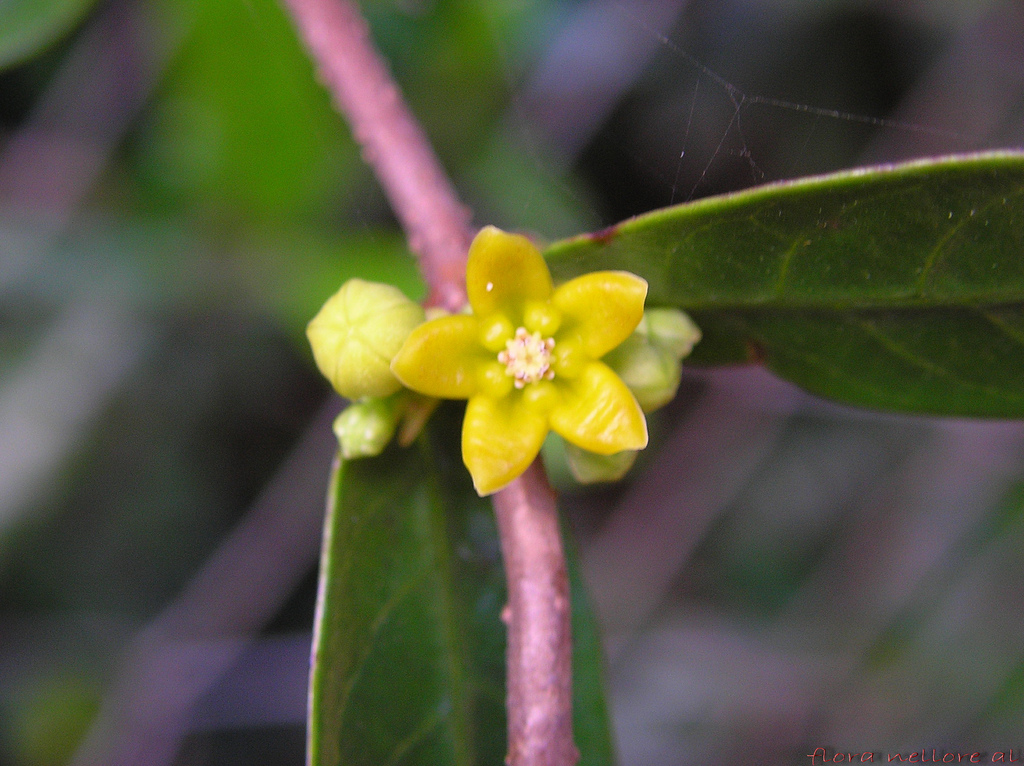
Anantamul, also known as Hemidesmus indicus, is a perennial, twining sub-erect shrub indigenous to South Asia. Belonging to the Apocynaceae family, it is recognized for its fragrant, reddish-brown roots and slender, hairy stems. The plant typically features simple, opposite leaves and small, greenish-yellow flowers arranged in axillary cymes.

Valued for centuries in traditional practices, Anantamul thrives in various terrains, from plains to lower altitudes in hilly regions. Its distinctive root, often described as having a vanilla-like aroma, is the most commonly utilized part of the plant, lending itself to a variety of applications.

Other Names of Anantamul

  • Indian Sarsaparilla
  • Sugandhi
  • Nannari
  • Anantabel
  • Shweta Sariva
Hemidesmus indicus var. indicus

Benefits of Anantamul

Heading

<h3> Absolute Contraindications of Anantamul (Hemidesmus indicus) </h3> <h4> High-dose / Overdose (risk of liver changes) [If you are taking very large or concentrated doses]</h4> <ul> <li> ⚠️</li> <li> Recommendation: Avoid large or poorly standardised high-dose products; do not self-dose concentrated extracts without professional supervision.</li> <li> Reasoning: Acute and sub-acute toxicity studies of Hemidesmus indicus var. pubescens reported nonspecific liver changes when high doses or certain extract preparations were given in animal models, indicating potential hepatic risk at excessive doses.</li> <li> Scientific_Study_Title: ACUTE AND SUB-ACUTE TOXICITY STUDIES OF Hemidesmus indicus var. pubescens R.Br.</li> <li> Scientific_Study_Authors: Anoop Austin, M Jegadeesan</li> <li> Scientific_Study_Link: https://pubmed.ncbi.nlm.nih.gov/22557084/</li> <li> Scientific_Study_Excerpt: <p>Paraphrase: In experimental acute and sub-acute studies using ethanolic aqueous root extracts of Hemidesmus indicus var. pubescens, animals given high doses showed dose-dependent effects; while some lower dose ranges appeared tolerated, the authors recorded nonspecific hepatic changes on histology at higher exposure levels. The paper concludes that although low to moderate doses appear safe in animals, high or repeated dosing produced liver alterations that warrant caution. The authors recommend dose-finding and careful standardisation before large-scale or prolonged human use.</p> </li> </ul> <h4> Use with systemic immunosuppression / organ transplant recipients [If you are on immunosuppressant medicines]</h4> <ul> <li> 🛑</li> <li> Recommendation: Do not use Anantamul without specialist clearance if you are on immunosuppressants (transplant patients, potent immunosuppressive drugs).</li> <li> Reasoning: Experimental work shows Hemidesmus extracts can activate immune cells and induce immunogenic cell death in tumor models; this immunostimulatory activity could theoretically oppose therapeutic immunosuppression.</li> <li> Scientific_Study_Title: Hemidesmus indicus induces immunogenic death in human colorectal cancer cells</li> <li> Scientific_Study_Authors: Eleonora Turrini, Elena Catanzaro, Manuele G Muraro, et al.</li> <li> Scientific_Study_Link: https://pubmed.ncbi.nlm.nih.gov/29849952/</li> <li> Scientific_Study_Excerpt: <p>Paraphrase: In vitro studies on human colorectal cancer cells showed that Hemidesmus indicus extracts induce tumor cell death accompanied by release of danger signals (ATP, HMGB1) and surface markers (calreticulin, HSP70) that promote dendritic cell maturation. At sub-toxic concentrations the extract also directly activated monocytes and dendritic cells, indicating immunostimulatory properties. The authors suggest that Hemidesmus has adjuvant-like activity that may be useful in cancer immunotherapy, but which could theoretically interfere with therapeutic immunosuppression.</p> </li> </ul> <h4> Unsupervised use with insulin or potent oral hypoglycaemic drugs (risk of hypoglycaemia) [If you are on insulin or strong glucose-lowering drugs]</h4> <ul> <li> 🔻</li> <li> Recommendation: Do not add Anantamul to insulin or sulfonylurea therapy without close medical supervision and glucose monitoring.</li> <li> Reasoning: Multiple animal studies show significant blood-glucose lowering by Hemidesmus root extracts. Combined use with diabetes medications could produce unexpected potentiation of glucose-lowering and cause hypoglycaemia.</li> <li> Scientific_Study_Title: Antidiabetic and antihypercholesterolemic effect of Hemidesmus indicus Linn.R. root in Alloxan induced diabetic rats</li> <li> Scientific_Study_Authors: C Sowmia, R Kokilavani</li> <li> Scientific_Study_Link: https://pubmed.ncbi.nlm.nih.gov/22557243/</li> <li> Scientific_Study_Excerpt: <p>Paraphrase: In alloxan-induced diabetic rats, oral Hemidesmus root (reported dose in the animal model) produced significant reductions in fasting blood glucose and improved lipid markers after multi-week treatment. The investigators conclude the extract has hypoglycaemic and hypolipidaemic effects in this experimental diabetes model, supporting caution when combining with standard glucose-lowering therapy because additive glucose reductions are possible.</p> </li> </ul> <h3> Relative Contraindications of Anantamul (Hemidesmus indicus) </h3> <h4> Chronic liver disease / active hepatitis [If you already have significant liver disease]</h4> <ul> <li> 🟡</li> <li> Recommendation: Use only under hepatology or qualified Ayurvedic physician supervision; avoid unsupervised concentrated extracts.</li> <li> Reasoning: Although several studies show hepatoprotective effects at therapeutic doses, acute/sub-acute toxicity reports describe liver histological changes at higher dose ranges-so people with fragile hepatic function should use with caution and monitoring.</li> <li> Scientific_Study_Title: ACUTE AND SUB-ACUTE TOXICITY STUDIES OF Hemidesmus indicus var. pubescens R.Br.</li> <li> Scientific_Study_Authors: Anoop Austin, M Jegadeesan</li> <li> Scientific_Study_Link: https://pubmed.ncbi.nlm.nih.gov/22557084/</li> <li> Scientific_Study_Excerpt: <p>Paraphrase: Authors described nonspecific liver alterations in rodents after administration of certain extract preparations and higher doses; while lower doses had fewer adverse findings, the variability in extracts and dose-response means that individuals with pre-existing hepatic impairment could be at increased risk. Hence the paper recommends caution and further standardised safety testing before use in vulnerable populations.</p> </li> </ul> <h4> Pregnancy and breastfeeding [If you are pregnant or breastfeeding]</h4> <ul> <li> 🤰</li> <li> Recommendation: Avoid Anantamul during pregnancy and breastfeeding unless a qualified provider advises otherwise; there is insufficient human safety data.</li> <li> Reasoning: Direct human pregnancy safety data are lacking and animal toxicity reports document dose-related adverse effects; in addition, Hemidesmus extracts can modulate cellular and possibly hormonal pathways in experimental systems, so precaution is advised.</li> <li> Scientific_Study_Title: ACUTE AND SUB-ACUTE TOXICITY STUDIES OF Hemidesmus indicus var. pubescens R.Br.</li> <li> Scientific_Study_Authors: Anoop Austin, M Jegadeesan</li> <li> Scientific_Study_Link: https://pubmed.ncbi.nlm.nih.gov/22557084/</li> <li> Scientific_Study_Excerpt: <p>Paraphrase: The toxicity paper notes dose-dependent adverse effects on liver histology and systemic response in rodents with particular extracts and higher doses. Because reproductive and developmental safety data in humans are lacking and because higher doses showed organ changes in animals, the reasonable clinical position is to avoid use in pregnancy and lactation until adequate safety data exist.</p> </li> </ul>

Heading

<h4> Liver enzyme changes / possible hepatic stress (unless used in recommended, standardised doses)</h4> <ul> <li> 🟠</li> <li> Side effect summary: In animal studies certain high doses or extract types produced liver histological changes and altered liver-related biochemical markers.</li> <li> Recommendation: If you have liver disease, avoid unsupervised use; if already taking Anantamul, report symptoms (jaundice, dark urine, severe fatigue, abdominal pain) and check liver tests with your clinician.</li> <li> Reasoning: Toxicology studies document dose-dependent nonspecific liver alterations in rodents with some extract preparations; this indicates a narrow safety margin at high/unstandardised dosing.</li> <li> Severity Level: Moderate</li> <li> Scientific_Study_Available: Yes</li> <li> Scientific_Study_Title: ACUTE AND SUB-ACUTE TOXICITY STUDIES OF Hemidesmus indicus var. pubescens R.Br.</li> <li> Scientific_Study_Authors: Anoop Austin, M Jegadeesan</li> <li> Scientific_Study_Link: https://pubmed.ncbi.nlm.nih.gov/22557084/</li> <li> Scientific_Study_Excerpt: <p>Paraphrase: The investigators performed oral and intraperitoneal acute and sub-acute toxicity testing of Hemidesmus indicus var. pubescens root extracts in rodents. While lower dose ranges were tolerated, higher exposure levels produced nonspecific hepatic changes on gross and histological examination. The study emphasises that extract type and dose determine safety profile and calls for standardisation and dose-finding prior to clinical use, particularly for prolonged courses.</p> </li> </ul> <h4> Cell toxicity at high concentrations / in vitro cytotoxicity [mainly documented in cell and tumour models]</h4> <ul> <li> 🔬</li> <li> Side effect summary: At higher concentrations Hemidesmus extracts are cytotoxic to cultured cells and induce apoptosis/oxidative stress - this is the basis for anticancer research but also indicates potential toxicity at unregulated high doses.</li> <li> Recommendation: Avoid unregulated concentrated extracts and high-dose experimental preparations; use standard traditional doses or consult a practitioner. If using as part of cancer care, coordinate with the oncology team.</li> <li> Reasoning: In vitro studies on cancer cell lines show Hemidesmus induces reactive oxygen species and markers of cell death; cell toxicity data are not directly equal to harm in humans at therapeutic doses but suggest caution with high/concentrated extracts.</li> <li> Severity Level: Mild</li> <li> Scientific_Study_Available: Yes</li> <li> Scientific_Study_Title: Hemidesmus indicus induces immunogenic death in human colorectal cancer cells</li> <li> Scientific_Study_Authors: Eleonora Turrini, Elena Catanzaro, Manuele G Muraro, et al.</li> <li> Scientific_Study_Link: https://pubmed.ncbi.nlm.nih.gov/29849952/</li> <li> Scientific_Study_Excerpt: <p>Paraphrase: In vitro experiments with Hemidesmus indicus extracts on colorectal cancer cells revealed dose-dependent cytotoxicity associated with increased reactive oxygen species, endoplasmic reticulum stress and apoptotic markers. The extract also triggered release of immune-stimulating danger signals. While these results are promising for anticancer research, they demonstrate that concentrated preparations can be cytotoxic to cells - supporting caution against high-dose or untested formulations in humans without professional oversight.</p> </li> </ul>

Heading

<h4> Antidiabetic drugs (insulin, sulfonylureas, metformin and other glucose-lowering agents)</h4> <ul> <li> Interaction_Details: Hemidesmus root extracts have demonstrated blood-glucose lowering activity in multiple animal models; combining with prescribed glucose-lowering medicines may increase the risk of hypoglycaemia without dose adjustment or monitoring.</li> <li> Severity: Moderate</li> <li> Recommendation: Consult your prescribing physician before combining Anantamul with any antidiabetic medicines; if permitted, closely monitor blood glucose and adjust medications under medical supervision.</li> <li> Scientific_Study_Available: Yes</li> <li> Scientific_Study_Link: https://pubmed.ncbi.nlm.nih.gov/22557243/</li> <li> Scientific_Study_Title: Antidiabetic and antihypercholesterolemic effect of Hemidesmus indicus Linn.R. root in Alloxan induced diabetic rats</li> <li> Scientfic_Study_Authors: C Sowmia, R Kokilavani</li> <li> Scientific_Study_Excerpt: <p>Paraphrase: In an alloxan-induced diabetic rat model, oral Hemidesmus indicus root treatment for multiple weeks produced significant reductions in fasting blood glucose and improvements in lipid parameters. The study documents a reproducible hypoglycaemic effect at the experimental dosing used and recommends that the hypoglycaemic potential be considered when using Hemidesmus in diabetic contexts. Translating these findings to humans implies a risk of additive glucose lowering when combined with established antidiabetic therapy, necessitating clinical supervision and glucose monitoring.</p> </li> </ul> <h4> Immunosuppressant / anti-rejection drugs (eg. ciclosporin, tacrolimus, mycophenolate) </h4> <ul> <li> Interaction_Details: Hemidesmus extracts show immune activation properties (dendritic cell maturation, monocyte activation) in laboratory studies; this raises concern that Hemidesmus could reduce the effectiveness of immunosuppressive therapy or unpredictably alter immune balance.</li> <li> Severity: Severe</li> <li> Recommendation: Avoid Hemidesmus if you are on therapeutic immunosuppression unless explicitly cleared by your transplant/immune specialist; do not self-medicate.</li> <li> Scientific_Study_Available: Yes</li> <li> Scientific_Study_Link: https://pubmed.ncbi.nlm.nih.gov/29849952/</li> <li> Scientific_Study_Title: Hemidesmus indicus induces immunogenic death in human colorectal cancer cells</li> <li> Scientfic_Study_Authors: Eleonora Turrini, Elena Catanzaro, Manuele G Muraro, et al.</li> <li> Scientific_Study_Excerpt: <p>Paraphrase: The Oncotarget/PMC study demonstrated that Hemidesmus indicus extracts induce immunogenic cell death in tumor cells and, at sub-toxic concentrations, directly activate monocytes and dendritic cells - increasing expression of maturation markers. The extract’s adjuvant-like immune activation is useful for cancer immunotherapy research but suggests a potential to antagonize pharmacologic immunosuppression or exacerbate immune activation in susceptible patients; therefore co-administration with immunosuppressants is inadvisable without specialist oversight.</p> </li> </ul> <h4> Aminoglycoside antibiotics (eg. gentamicin)</h4> <ul> <li> Interaction_Details: In animal models Hemidesmus root preparations reduced gentamicin-induced kidney injury; this suggests a potential protective adjunctive effect rather than harm, but clinical relevance in humans is unproven.</li> <li> Severity: Mild</li> <li> Recommendation: Do not self-combine with prescription aminoglycosides expecting protection; discuss with your physician - the herbal extract was protective in experimental models but human evidence is lacking and standard medical monitoring remains essential.</li> <li> Scientific_Study_Available: Yes</li> <li> Scientific_Study_Link: https://pubmed.ncbi.nlm.nih.gov/15189175/</li> <li> Scientific_Study_Title: Renoprotective effect of Hemidesmus indicus, a herbal drug used in gentamicin-induced renal toxicity</li> <li> Scientfic_Study_Authors: Mangala S Kotnis, Prateek Patel, Sashikumar Narayan Menon, Ramesh Trimbak Sane</li> <li> Scientific_Study_Excerpt: <p>Paraphrase: In gentamicin-treated rat models, Hemidesmus indicus preparations attenuated kidney dysfunction and histological damage caused by the antibiotic, restoring biochemical markers and showing histological protection. Authors conclude Hemidesmus has renoprotective potential as an adjunct in experimental aminoglycoside nephrotoxicity. This experimental protection does not substitute for medical supervision; human clinical trials are needed before routine co-administration can be recommended.</p> </li> </ul>