What is Amrud (Guava)?
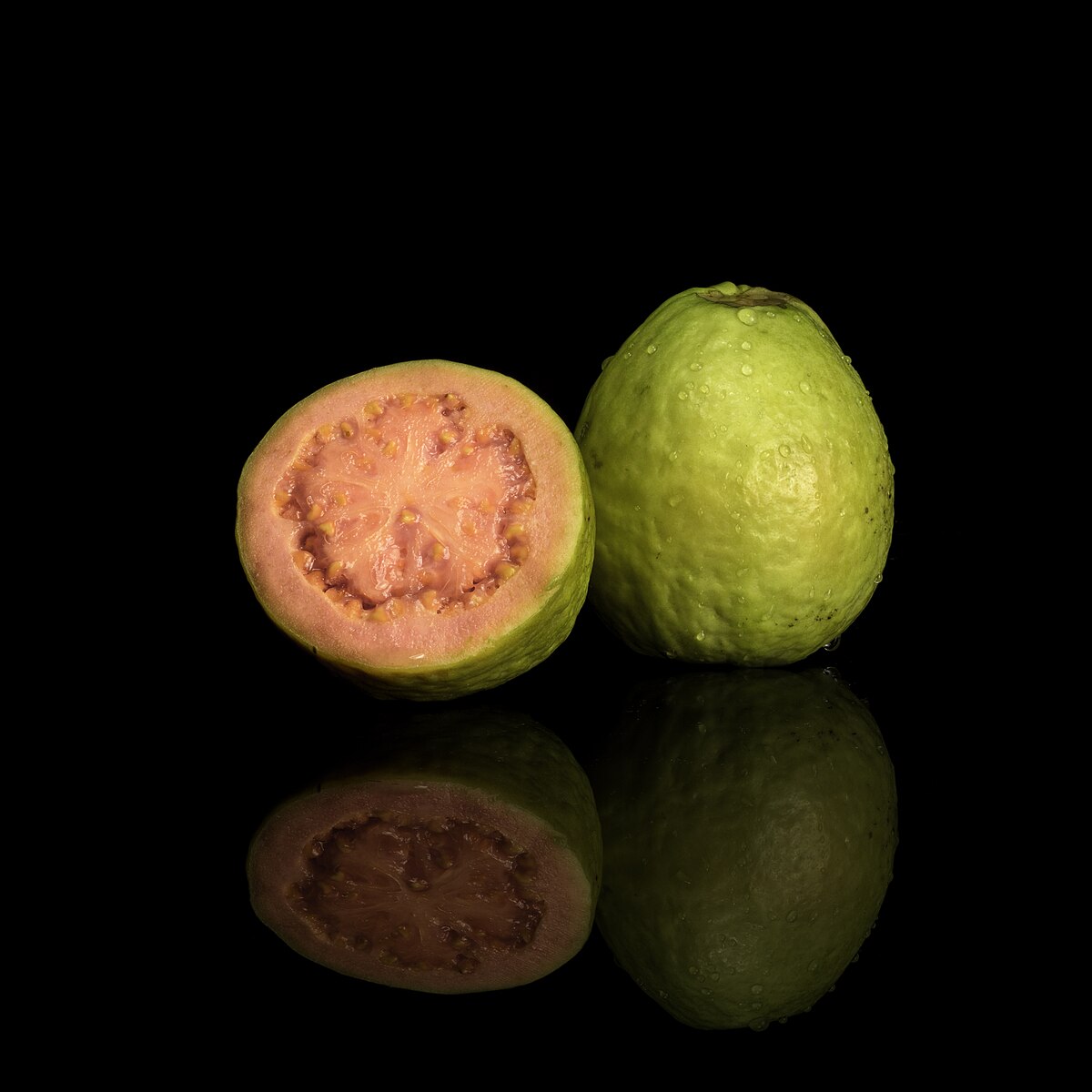
Amrud, commonly known as Guava (Psidium guajava), is a tropical fruit tree belonging to the Myrtaceae family, native to Mexico, Central America, and northern South America. It is widely cultivated for its edible fruit, which is typically round or oval with a green or yellow skin and a sweet, musky pulp that can be white, pink, or red. The fruit contains numerous small, hard seeds, though some varieties are seedless.
Valued for its high vitamin C content, dietary fiber, and various antioxidants, guava is consumed fresh, in juices, jams, and other culinary preparations. The tree itself is small, with a broad crown and smooth, copper-colored bark that often peels.
Other Names of Guava
- Common Guava
- Yellow Guava
- Apple Guava
- Lemon Guava
Heading
<h3> Absolute Contraindications of Amrud (Guava) </h3> <h4>1) On active blood-sugar-lowering medications (insulin, sulfonylureas, strong oral agents)</h4> <ul> <li>🔻 <li>Recommendation: Avoid taking concentrated guava leaf or fruit extracts together with prescription diabetes medicines without close medical monitoring; if eating regular ripe fruit, monitor sugars and tell your clinician.</li> <li>Reasoning: Guava extracts reduce intestinal glucose transport and blunt post-meal glucose peaks; when combined with antidiabetic drugs this may increase the risk of hypoglycaemia. Monitor blood glucose and adjust medications only with medical advice.</li> <li>Scientific_Study_Title: In Vitro and In Vivo Inhibition of Intestinal Glucose Transport by Guava (Psidium guajava) Extracts</li> <li>Scientific_Study_Authors: Ulrike Müller, Flora Stübl, Bettina Schwarzinger, Georg Sandner, Marcus Iken, Markus Himmelsbach, Clemens Schwarzinger, Nicole Ollinger, Verena Stadlbauer, Otmar Höglinger, Tobias Kühne, Peter Lanzerstorfer, Julian Weghuber</li> <li>Scientific_Study_Link: https://pubmed.ncbi.nlm.nih.gov/29688623/</li> <li>Scientific_Study_Excerpt: <p>The authors tested guava leaf and fruit extracts in Caco-2 intestinal cell models and in mice. They observed dose- and time-dependent inhibition of intestinal glucose transport (up to ~80% in vitro), with stronger inhibition of GLUT2 than SGLT1. In vivo mouse experiments showed significant, time-dependent reductions in postprandial blood glucose after guava extract administration. The active substances were chemically stable in simulated digestive conditions and were characterized as polyphenolic compounds. The study concludes guava extracts can meaningfully reduce post-meal glucose absorption and hence can lower blood glucose in susceptible situations.</p> <p>Clinical implication: because the extract reduces sugar uptake, combining it with glucose-lowering drugs can unmask or worsen hypoglycaemia; therefore concurrent use of concentrated extracts requires monitoring and medical supervision.</p> </li> </ul> <h4>2) On anticoagulant or antiplatelet therapy (warfarin, DOACs, clopidogrel, aspirin)</h4> <ul> <li>🩸 <li>Recommendation: Avoid starting concentrated guava supplements or drinking large volumes of guava juice/tea before surgery or without consulting the prescribing clinician if you are on blood thinners or antiplatelet drugs.</li> <li>Reasoning: Human trials show that guava fruit juice can acutely reduce collagen-induced platelet aggregation ex vivo; other experiments show effects on platelet activation and coagulation parameters - these changes could alter bleeding or clotting risk in patients on anticoagulant/antiplatelet therapy.</li> <li>Scientific_Study_Title: Platelet inhibitory effects of juices from Pachyrhizus erosus L. root and Psidium guajava L. fruit: a randomized controlled trial in healthy volunteers</li> <li>Scientific_Study_Authors: Thitiporn Thaptimthong, Thitima Kasemsuk, Nathawut Sibmooh, Supeenun Unchern</li> <li>Scientific_Study_Link: https://pubmed.ncbi.nlm.nih.gov/27488183/</li> <li>Scientific_Study_Excerpt: <p>In a randomized crossover trial of 30 healthy volunteers, ingestion of 500 mL fresh guava fruit juice produced a measurable reduction in collagen-induced (but not ADP-induced) ex vivo platelet aggregation and lowered heart rate and blood pressure parameters compared with water. The platelet inhibition was acute and correlated to changes in platelet function tests. The authors concluded guava fruit juice has an antiplatelet effect in humans, which could be relevant when combined with antiplatelet or anticoagulant drugs.</p> <p>Clinical implication: while dietary fruit limits are different from concentrated extracts, the demonstrated antiplatelet effect supports caution in patients using blood-thinning medications or undergoing surgical procedures.</p> </li> </ul> <h4>3) Pre-existing severe liver disease or using high-dose/concentrated guava extracts long-term</h4> <ul> <li>⚠️ <li>Recommendation: People with significant liver impairment should avoid high-dose guava extracts and discuss dietary or supplement use with their hepatologist; small amounts of ripe fruit as food are generally safer but check with your doctor.</li> <li>Reasoning: Animal studies indicate that while low-moderate doses of guava extracts may be hepatoprotective, higher doses or combinations with some drugs (eg erythromycin in rat models) produced elevated liver enzymes and histologic liver changes; long-term high-dose use has shown liver alterations in preclinical studies.</li> <li>Scientific_Study_Title: Effect of the aqueous extract of Psidium guajava on erythromycin-induced liver damage in rats</li> <li>Scientific_Study_Authors: N Sambo, S H Garba, H Timothy</li> <li>Scientific_Study_Link: https://pubmed.ncbi.nlm.nih.gov/20234760/</li> <li>Scientific_Study_Excerpt: <p>This rat study examined groups given erythromycin and various doses of Psidium guajava extract. Rats receiving higher doses of guava extract (300-450 mg/kg) together with erythromycin showed histopathological liver changes (oedema, periportal mononuclear infiltration) and significant increases in serum hepatic enzymes compared to controls. Lower doses (eg 150 mg/kg) showed slight protection. The authors concluded guava extract may be hepatoprotective at lower doses but hepatotoxic at higher doses or in certain drug combinations, and recommended further study.</p> <p>Clinical implication: concentrated or high-dose use - especially combined with drugs metabolized by the liver - should be avoided in those with liver disease or used only under medical supervision.</p> </li> </ul> <h4>4) Known previous allergic reaction to guava (skin rash, dermatitis, other IgE/skin test positivity)</h4> <ul> <li>🚫 <li>Recommendation: If you have previously had a rash, contact dermatitis, or other allergic reaction after guava (fruit, tea or topical use), avoid further exposure and seek allergy evaluation as needed.</li> <li>Reasoning: Case reports document allergic contact dermatitis and contact urticaria from guava tea or guava exposure; sensitization (IgE) has been reported in some populations, so prior reactions predict recurrence on re-exposure.</li> <li>Scientific_Study_Title: Allergic contact dermatitis due to guava tea</li> <li>Scientific_Study_Authors: M Obi, Y Miyazaki, H Yokozeki, K Nishioka</li> <li>Scientific_Study_Link: https://pubmed.ncbi.nlm.nih.gov/11205393/</li> <li>Scientific_Study_Excerpt: <p>This case report detailed contact dermatitis in a patient linked to guava tea exposure; patch testing and clinical history supported guava as the causative agent. The report highlights that guava preparations (including teas) can produce allergic skin reactions in sensitized individuals and recommends avoidance and dermatology referral for testing where appropriate.</p> <p>Clinical implication: prior allergy to guava predicts risk of recurrence; do not reuse guava teas or topical guava products if you have a documented reaction.</p> </li> </ul> <h3> Relative Contraindications of Amrud (Guava) </h3> <h4>1) Pregnancy</h4> <ul> <li>🤰 <li>Recommendation: Avoid concentrated guava leaf extracts or medicinal doses during pregnancy; small amounts of ripe fruit as food are generally considered acceptable but discuss with your obstetrician.</li> <li>Reasoning: Human safety data in pregnancy are limited; some in vitro and animal studies show guava leaf compounds can affect hormonal and cellular pathways (anti-androgenic effects in models) and animal reproductive findings exist for high doses of related plant extracts-so prudence is advised.</li> <li>Scientific_Study_Title: Guava Leaf Extract as Bioactive Substances for Anti-Androgen and Antioxidant Activities (Plants journal)</li> <li>Scientific_Study_Authors: (MDPI Plants article) - authors listed in article (see source)</li> <li>Scientific_Study_Link: https://www.mdpi.com/2223-7747/11/24/3514</li> <li>Scientific_Study_Excerpt: <p>In vitro and cell-model data show that guava leaf extract contains phenolics (catechin, gallic acid, quercetin) that can modulate steroid-related gene expression (eg downregulating SRD5A in prostate cell models). While these are not direct teratogenicity studies, they indicate guava leaf bioactives can influence hormone-related pathways. Because pregnancy involves sensitive hormone regulation and fetal development, concentrated medicinal use during pregnancy is not recommended without safety data from controlled human studies.</p> </li> </ul> <h4>2) Breastfeeding</h4> <ul> <li>🍼 <li>Recommendation: Avoid concentrated guava leaf supplements while breastfeeding unless advised by your clinician; eating normal food amounts of fruit is typically acceptable.</li> <li>Reasoning: There is limited human data on excretion of guava polyphenols into breast milk; given biological activity on metabolism and hormones in some models, caution is prudent until safety is established.</li> <li>Scientific_Study_Title: Guava (Psidium guajava): A brief overview of its therapeutic and health potential (review, PMC)</li> <li>Scientific_Study_Authors: (Review article - authors as listed on the review page)</li> <li>Scientific_Study_Link: https://www.ncbi.nlm.nih.gov/pmc/articles/PMC12466288/</li> <li>Scientific_Study_Excerpt: <p>The review summarizes multiple preclinical and limited clinical data on guava’s pharmacology and safety. It notes most traditional and clinical uses involve food or low-dose teas; however, concentrated extracts have variable effects on metabolism and, at high doses in animals, have produced organ changes. The review emphasizes inadequate human safety data for special populations (including pregnant and lactating women), recommending caution with concentrated preparations.</p> </li> </ul> <h4>3) Before major surgery (due to possible effects on clotting)</h4> <ul> <li>🔪 <li>Recommendation: Stop concentrated guava supplements/large volumes of guava juice/tea at least 1-2 weeks before elective surgery, and inform the surgical team of any herbal supplement use.</li> <li>Reasoning: Acute human studies show guava juice can alter platelet aggregation ex vivo; combined with perioperative anticoagulants or surgical bleeding risk, this is a potential concern.</li> <li>Scientific_Study_Title: Docking-based computational analysis of guava leaves derived bioactive compounds as a coagulation factor IXa inhibitor (RSC Advances)</li> <li>Scientific_Study_Authors: Joseph G. De Luna, Shanahi Chelledie B. Gonzales, Jimuel Jan M. Nuqui, Evalyn S. Capinding, Corazon D. Sacdalan</li> <li>Scientific_Study_Link: https://pubs.rsc.org/en/content/articlehtml/2024/ra/d4ra04709e</li> <li>Scientific_Study_Excerpt: <p>Computational docking of guava leaf compounds identified potential binding interactions with coagulation factor IXa, suggesting some guava constituents could theoretically affect clotting pathways. While computational results need experimental confirmation, combined with human platelet inhibition data this suggests a plausible effect on hemostasis that merits perioperative caution.</p> </li> </ul>
Heading
<h4>Side Effect 1: Low blood sugar (feeling faint, sweating, dizziness)</h4> <ul> <li>🔋 <li>Side effect summary: Concentrated guava extracts can lower post-meal blood sugar; when combined with diabetes medicines this may cause low blood sugar symptoms (sweating, tremor, dizziness).</li> <li>Recommendation: If you have diabetes or take glucose-lowering meds, do not start guava extracts without discussing with your clinician and monitoring glucose closely; for severe or recurrent hypoglycaemia seek urgent medical care.</li> <li>Reasoning: Laboratory and animal studies show guava extracts inhibit intestinal glucose transport and carbohydrate-digesting enzymes, and reduce postprandial glucose peaks - effects that can add to prescription glucose-lowering actions.</li> <li>Severity Level: Moderate</li> <li>Scientific_Study_Available: Yes</li> <li>Scientific_Study_Title: In Vitro and In Vivo Inhibition of Intestinal Glucose Transport by Guava (Psidium guajava) Extracts</li> <li>Scientific_Study_Authors: Ulrike Müller, Flora Stübl, Bettina Schwarzinger, et al.</li> <li>Scientific_Study_Link: https://pubmed.ncbi.nlm.nih.gov/29688623/</li> <li>Scientific_Study_Excerpt: <p>Researchers demonstrated strong inhibition of intestinal glucose transporters by guava extracts in Caco-2 cells and showed significant reductions in postprandial blood glucose in mice. The study characterized active polyphenols and reported stability through simulated digestion, indicating plausible physiological effects on glucose absorption when taken orally.</p> <p>Implication: Because the extract lowered post-meal glucose in animals, combining concentrated guava products with antidiabetic drugs may produce clinically relevant hypoglycaemia; monitoring and dose adjustments may be needed.</p> </li> </ul> <h4>Side Effect 2: Allergic skin reactions (rash, contact dermatitis)</h4> <ul> <li>🌿 <li>Side effect summary: Some individuals develop allergic contact dermatitis or skin rashes after exposure to guava tea or topical products.</li> <li>Recommendation: Stop the product and see a dermatologist if you develop persistent skin rash after guava exposure; avoid future exposure if patch testing shows sensitization.</li> <li>Reasoning: Case reports document guava tea and other guava preparations causing allergic contact dermatitis; tannins and plant proteins can act as sensitizers in predisposed people.</li> <li>Severity Level: Mild</li> <li>Scientific_Study_Available: Yes</li> <li>Scientific_Study_Title: Allergic contact dermatitis due to guava tea</li> <li>Scientific_Study_Authors: M Obi, Y Miyazaki, H Yokozeki, K Nishioka</li> <li>Scientific_Study_Link: https://pubmed.ncbi.nlm.nih.gov/11205393/</li> <li>Scientific_Study_Excerpt: <p>This dermatology case report describes a patient who developed allergic contact dermatitis confirmed by clinical history and patch testing after exposure to guava tea. The authors highlight plant proteins and tannins as likely causal agents and recommend avoidance and dermatologic testing when reactions occur.</p> </li> </ul> <h4>Side Effect 3: Liver enzyme elevation with high doses or drug combinations</h4> <ul> <li>🧪 <li>Side effect summary: High doses of guava extracts or certain combinations (eg with some antibiotics in animal models) have been associated with increased liver enzymes and histologic liver changes in preclinical studies.</li> <li>Recommendation: People with liver disease or taking hepatically-metabolized medications should use guava extracts only after consulting a clinician; report symptoms like jaundice, dark urine or severe abdominal pain promptly.</li> <li>Reasoning: Animal research found elevated hepatic enzymes and histological liver changes when high doses of guava extract were combined with erythromycin; lower doses sometimes showed protective effects - indicating dose-dependent and interaction-dependent risk.</li> <li>Severity Level: Moderate</li> <li>Scientific_Study_Available: Yes</li> <li>Scientific_Study_Title: Effect of the aqueous extract of Psidium guajava on erythromycin-induced liver damage in rats</li> <li>Scientific_Study_Authors: N Sambo, S H Garba, H Timothy</li> <li>Scientific_Study_Link: https://pubmed.ncbi.nlm.nih.gov/20234760/</li> <li>Scientific_Study_Excerpt: <p>The rat study showed that combined administration of erythromycin and higher doses of guava extract produced histopathological liver abnormalities (oedema, periportal infiltration) and biochemical evidence of liver injury (raised hepatic enzymes). Lower pretreatment doses sometimes showed partial protection, indicating a complex dose-response and interaction effect.</p> </li> </ul> <h4>Side Effect 4: Changes in platelet function (may alter clotting tendency)</h4> <ul> <li>🧾 <li>Side effect summary: Guava juice/extracts can change platelet aggregation in humans and experimental systems - typically reducing collagen-induced aggregation - which may affect bleeding/clotting balance.</li> <li>Recommendation: If you are on blood-thinning medication, preparing for surgery, or have a bleeding disorder, avoid concentrated guava products or discuss with your clinician before use.</li> <li>Reasoning: Randomized human trials demonstrate acute reduction in some platelet aggregation responses after guava juice ingestion; other laboratory data show modulation of platelet activation markers and coagulation tests.</li> <li>Severity Level: Mild</li> <li>Scientific_Study_Available: Yes</li> <li>Scientific_Study_Title: Platelet inhibitory effects of juices from Pachyrhizus erosus L. root and Psidium guajava L. fruit: a randomized controlled trial in healthy volunteers</li> <li>Scientific_Study_Authors: Thitiporn Thaptimthong, Thitima Kasemsuk, Nathawut Sibmooh, Supeenun Unchern</li> <li>Scientific_Study_Link: https://pubmed.ncbi.nlm.nih.gov/27488183/</li> <li>Scientific_Study_Excerpt: <p>In a randomized controlled trial of 30 healthy volunteers, a single ingestion of guava fruit juice reduced ex vivo collagen-induced platelet aggregation and lowered blood pressure parameters. The authors concluded that guava fruit juice has acute antiplatelet effects that could be relevant to cardiovascular and bleeding risk profiles when combined with other agents or conditions affecting hemostasis.</p> </li> </ul>
Heading
<h4>Antidiabetic drugs (insulin, sulfonylureas, metformin, alpha-glucosidase inhibitors)</h4> <ul> <li>Interaction_Details: Guava extracts inhibit intestinal glucose transport and carbohydrate-digesting enzymes and may also act on DPP-IV/PTP1B pathways - together these effects can add to prescription glucose-lowering action and increase hypoglycaemia risk.</li> <li>Severity: Moderate</li> <li>Recommendation: Use only under healthcare supervision; monitor blood glucose closely and be prepared to adjust medication doses with clinician guidance.</li> <li>Scientific_Study_Available: Yes</li> <li>Scientific_Study_Link: https://pubmed.ncbi.nlm.nih.gov/29688623/</li> <li>Scientific_Study_Title: In Vitro and In Vivo Inhibition of Intestinal Glucose Transport by Guava (Psidium guajava) Extracts</li> <li>Scientfic_Study_Authors: Ulrike Müller, Flora Stübl, Bettina Schwarzinger, et al.</li> <li>Scientific_Study_Excerpt: <p>Using Caco-2 intestinal cell models and mouse studies, the investigators found guava leaf and fruit extracts inhibited glucose transporters (GLUT2 > SGLT1) and significantly reduced postprandial blood glucose levels in vivo. Extracts were chemically characterized (polyphenols) and shown to be stable to simulated digestion. The data support a clinically relevant potential to reduce post-meal glycaemia, indicating additive effects with antidiabetic drugs and possible risk of hypoglycaemia when combined.</p> </li> </ul> <h4>Antiplatelet/Anticoagulant drugs (aspirin, clopidogrel, warfarin, DOACs)</h4> <ul> <li>Interaction_Details: Guava juice/extracts can reduce certain platelet aggregation responses and may influence coagulation tests; combined use with antiplatelet or anticoagulant drugs could modify bleeding risk.</li> <li>Severity: Moderate</li> <li>Recommendation: Avoid starting concentrated guava supplements if on anticoagulant/antiplatelet therapy without specialist advice; inform surgeons and stop supplements before planned procedures.</li> <li>Scientific_Study_Available: Yes</li> <li>Scientific_Study_Link: https://pubmed.ncbi.nlm.nih.gov/27488183/</li> <li>Scientific_Study_Title: Platelet inhibitory effects of juices from Pachyrhizus erosus L. root and Psidium guajava L. fruit: a randomized controlled trial in healthy volunteers</li> <li>Scientfic_Study_Authors: Thitiporn Thaptimthong, Thitima Kasemsuk, Nathawut Sibmooh, Supeenun Unchern</li> <li>Scientific_Study_Excerpt: <p>In this randomized trial, a single 500 mL dose of guava fruit juice in healthy volunteers attenuated collagen-induced platelet aggregation measured ex vivo. The findings indicate acute, measurable effects on platelet function in humans; while the effect size and clinical consequences vary, combined use with blood-thinning medications requires caution and discussion with clinicians.</p> </li> </ul> <h4>Macrolide antibiotics (example: erythromycin)</h4> <ul> <li>Interaction_Details: Animal data indicate that high-dose guava extracts combined with erythromycin produced liver enzyme elevations and histologic liver changes - a potential drug-herb interaction affecting hepatic safety.</li> <li>Severity: Moderate</li> <li>Recommendation: Avoid high-dose guava extract use while taking hepatotoxic or hepatically-metabolized antibiotics without medical advice; watch for signs of liver dysfunction.</li> <li>Scientific_Study_Available: Yes</li> <li>Scientific_Study_Link: https://pubmed.ncbi.nlm.nih.gov/20234760/</li> <li>Scientific_Study_Title: Effect of the aqueous extract of Psidium guajava on erythromycin-induced liver damage in rats</li> <li>Scientfic_Study_Authors: N Sambo, S H Garba, H Timothy</li> <li>Scientific_Study_Excerpt: <p>Rats given erythromycin plus high doses of guava extract showed pronounced liver histologic changes and elevated serum hepatic enzymes versus controls. Lower guava doses sometimes offered partial protection. The study demonstrates a dose-dependent interaction in an animal model, suggesting clinicians should be cautious about concurrent high-dose guava extracts and certain antibiotics until human data are available.</p> </li> </ul> <h4>Cytochrome P450-metabolized drugs (general note)</h4> <ul> <li>Interaction_Details: Current research suggests guava leaf tea and some preparations have a low potential to strongly inhibit or induce major CYP450 isoforms (eg CYP3A4, CYP2C9) compared with some other known dietary polyphenols; however, formulations vary and high-concentration extracts could differ.</li> <li>Severity: Mild</li> <li>Recommendation: For most common drugs metabolized by CYP enzymes, modest dietary guava intake is unlikely to cause major interactions; however, for narrow therapeutic index drugs (eg certain immunosuppressants, anti-arrhythmics), discuss with your prescriber if you use concentrated guava supplements.</li> <li>Scientific_Study_Available: Yes</li> <li>Scientific_Study_Link: https://link.springer.com/article/10.1186/1743-7075-7-9</li> <li>Scientific_Study_Title: Anti-hyperglycemic and anti-hyperlipidemic effects of guava leaf extract</li> <li>Scientfic_Study_Authors: Yoriko Deguchi, Kouji Miyazaki</li> <li>Scientific_Study_Excerpt: <p>This review summarizes experimental and limited clinical data. Pharmacokinetic investigations summarized in the review indicate guava leaf extract (as used in Guava Leaf Tea products) showed weaker inhibition of CYP isoforms than some common dietary flavonoids in vitro and did not produce strong CYP induction in repeated-dose animal studies. The authors interpret evidence as suggesting a relatively low risk of major CYP-mediated drug interactions for typical guava leaf tea, while cautioning that concentrated extracts and different preparations may vary.</p> </li> </ul>