Amalbedha
Garcinia pedunculata
Amalbedha (Garcinia pedunculata), a sour fruit-bearing tree from Southeast Asia, is traditionally used in Ayurveda. It's supposedly beneficial for balancing Pitta and Kapha doshas, often used for its claimed digestive properties and as a souring agent. Its prevalence in traditional culinary and medicinal practices highlights its historical significance.
PLANT FAMILY
Clusiaceae (Garcinia)
AYURVEDIC ACTION
Pitta ↓, Kapha ↓
ACTIVE COMPOUNDS
Hydroxycitric Acid (20-30%)
What is Amalbedha?
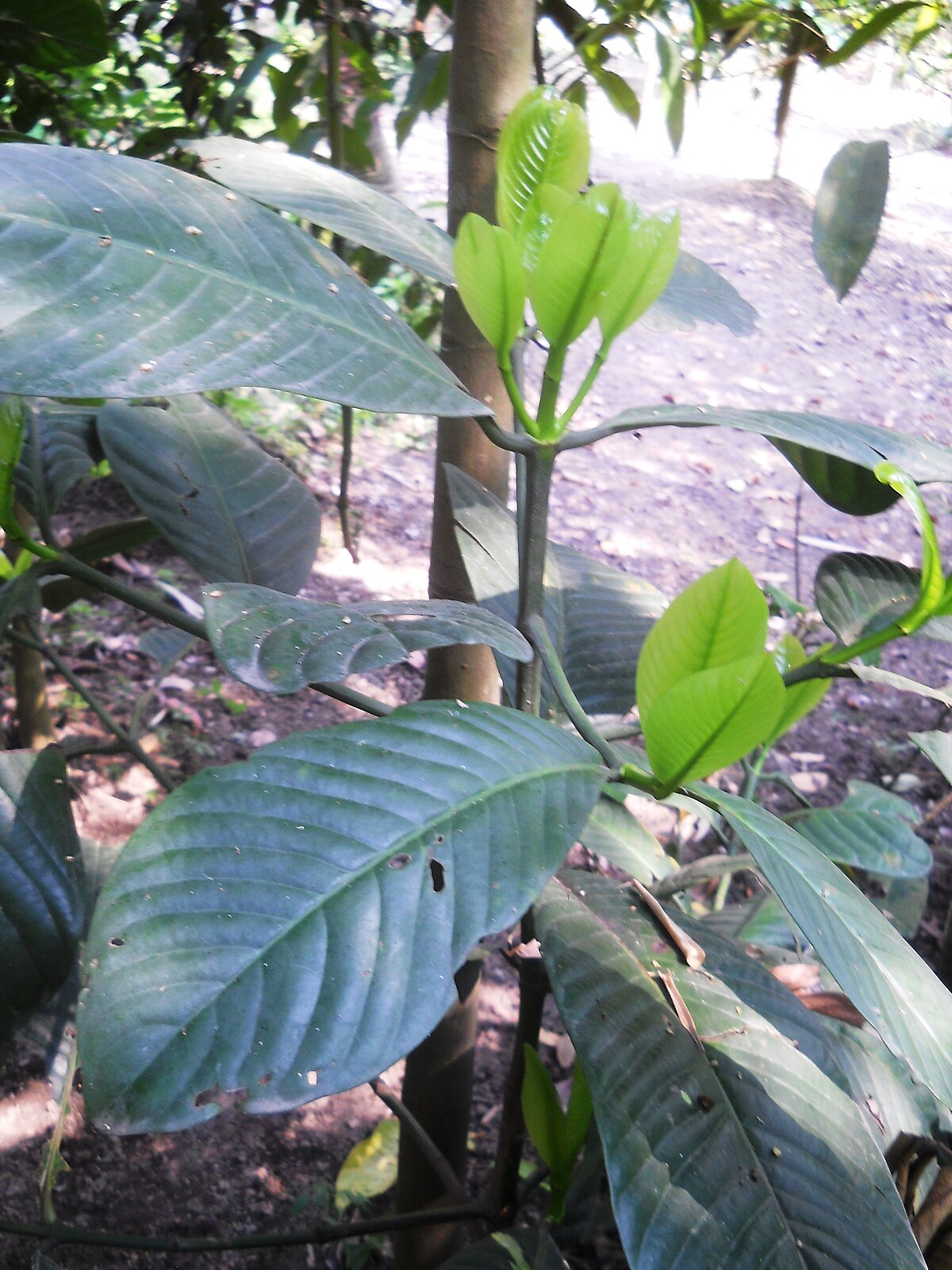
Amalbedha, or Garcinia pedunculata, is a fruit-bearing tree native to Southeast Asia, particularly northeastern India and Bangladesh. Belonging to the Clusiaceae family, it's recognized for its distinctive sour fruit, which is traditionally used in culinary and medicinal applications. The tree is medium-sized with a dense canopy, thriving in humid, tropical climates. The fruit, resembling a large, yellow-green lemon, contains several large seeds and a fibrous pulp.
Historically, Amalbedha has been valued for its high acidity, lending itself to preservation and as a souring agent in local dishes. Beyond its culinary role, traditional medicine systems often utilize various parts of the tree for their purported therapeutic properties, particularly the fruit and bark.
Other Names of Amalbedha
- Amalbhog
- Tikul
- Bhelo
- Bor Thekera (Assamese)
Heading
<h3> Absolute Contraindications of Amalbedha (Garcinia pedunculata) </h3> <h4>Pregnancy and Breastfeeding (Avoid during pregnancy or lactation)</h4> <ul> <li>🤰</li> <li>Recommendation: Do not take Amalbedha extracts or concentrated Garcinia supplements during pregnancy or breastfeeding unless prescribed by a qualified clinician.</li> <li>Reasoning: Limited human safety data and concern about metabolic and developmental effects of concentrated Garcinia extracts (hydroxycitric acid family) mean avoidance is recommended.</li> <li>Scientific_Study_Title: Risks Associated with the Use of Garcinia as a Nutritional Complement to Lose Weight</li> <li>Scientific_Study_Authors: Pérez-Álvarez N., et al.</li> <li>Scientific_Study_Link: https://www.mdpi.com/2072-6643/13/2/450</li> <li>Scientific_Study_Excerpt: <p>The MDPI review summarises safety concerns across Garcinia species and notes a lack of reliable human pregnancy/breastfeeding data; because HCA (a major Garcinia constituent) can alter appetite, fat metabolism and maternal nutrient handling, regulatory reviews and expert bodies recommend avoidance during pregnancy and lactation until better safety information exists. The review highlights that many human safety reports are from concentrated or multi-ingredient products and that case reports and regulatory actions have led to conservative guidance for pregnant or breastfeeding women.</p> </li> </ul> <h4>Concurrent Severe Liver Disease or Prior Herb-related Hepatotoxicity</h4> <ul> <li>🛑</li> <li>Recommendation: Avoid Amalbedha/Garcinia preparations if you have active liver disease or prior unexplained herb-related liver injury; if exposure occurred, stop and seek medical care.</li> <li>Reasoning: Several Garcinia species (notably G. cambogia) have been linked to acute liver injury in humans; while G. pedunculata animal data look reassuring, cross-species caution and supplement variability mean avoid in severe hepatic disease.</li> <li>Scientific_Study_Title: Garcinia Cambogia - LiverTox: Clinical and Research Information on Drug-Induced Liver Injury</li> <li>Scientific_Study_Authors: LiverTox authors / US NIH (compiled review)</li> <li>Scientific_Study_Link: https://www.ncbi.nlm.nih.gov/books/NBK548087/</li> <li>Scientific_Study_Excerpt: <p>LiverTox reviews multiple case reports linking Garcinia cambogia products to acute hepatocellular injury, ranging from transient enzyme elevations to fulminant hepatic failure requiring transplant. The summary explains that the mechanism is unclear (possible idiosyncratic reaction or contaminated/adulterated products) and that onset often occurs within weeks to months of product use. Because different Garcinia species and multi-ingredient supplements are frequently used, LiverTox advises caution and recommends stopping the product when hepatotoxicity is suspected and avoiding use with existing liver disease.</p> </li> </ul> <h4>Concurrent Use with Strong Anticoagulant or Antiplatelet Therapy</h4> <ul> <li>🩸</li> <li>Recommendation: Do not self-combine concentrated Amalbedha/Garcinia extracts with warfarin, DOACs or antiplatelet drugs without clinician supervision and close monitoring.</li> <li>Reasoning: In vitro and ex vivo studies of G. pedunculata extracts show antiplatelet activity, which could potentiate bleeding risk when combined with systemic anticoagulants or antiplatelet medications.</li> <li>Scientific_Study_Title: Antioxidant and antiplatlet aggregation properties of bark extracts of Garcinia pedunculata and Garcinia cowa</li> <li>Scientific_Study_Authors: Sharma A., Joseph G.S., Singh R.P.</li> <li>Scientific_Study_Link: https://www.ncbi.nlm.nih.gov/pmc/articles/PMC4108668/</li> <li>Scientific_Study_Excerpt: <p>The 2014 study screened various solvent extracts of G. pedunculata bark and reported notable inhibition of ADP-induced platelet aggregation for several fractions (ethyl acetate and acetone extracts showing strongest activity). Authors describe low IC50 values for platelet inhibition in vitro and discuss possible mechanisms including modulation of platelet signalling and membrane effects. The paper highlights that antiplatelet activity was extract-dependent and suggests theoretical bleeding interactions if used with antithrombotic drugs, advising careful evaluation before combination.</p> </li> </ul> <h4>Concurrent Uncontrolled Diabetes Without Medical Supervision</h4> <ul> <li>⚖️</li> <li>Recommendation: If you are on glucose-lowering drugs or have unstable diabetes, do not use Amalbedha supplements without medical supervision and glucose monitoring.</li> <li>Reasoning: Animal studies show significant glucose-lowering effects; combining with antidiabetic medications can cause hypoglycemia if dosages are not adjusted with clinical oversight.</li> <li>Scientific_Study_Title: Antihyperglycemic, Antidiabetic, and Antioxidant Effects of Garcinia pedunculata in Rats</li> <li>Scientific_Study_Authors: Ali M.Y., Paul S., Rumpa N.E.N., Tanvir E.M., et al.</li> <li>Scientific_Study_Link: https://pubmed.ncbi.nlm.nih.gov/29234381/</li> <li>Scientific_Study_Excerpt: <p>In streptozotocin-induced diabetic rats, oral GP fruit extract significantly reduced blood glucose and HbA1c, increased insulin levels, and improved tissue antioxidant enzymes versus diabetic controls. The authors observed dose-dependent antihyperglycemic actions and concluded GP fruit extract may be effective against hyperglycemia; they emphasise the need for careful monitoring when combining with standard antidiabetic therapy because of the risk of additive glucose-lowering effects.</p> </li> </ul> <h3> Relative Contraindications of Amalbedha (Garcinia pedunculata) </h3> <h4>Bipolar Disorder or History of Mania / Concomitant Serotonergic Agents</h4> <ul> <li>⚠️</li> <li>Recommendation: Use caution and consult a clinician before use if you have bipolar disorder or take SSRIs/SNRIs; stop if mood destabilization occurs.</li> <li>Reasoning: Some Garcinia species/products have been associated in case reports with mania or neuropsychiatric events, possibly via serotonergic modulation or idiosyncratic reactions.</li> <li>Scientific_Study_Title: Risks Associated with the Use of Garcinia as a Nutritional Complement to Lose Weight</li> <li>Scientific_Study_Authors: Pérez-Álvarez N., et al.</li> <li>Scientific_Study_Link: https://www.mdpi.com/2072-6643/13/2/450</li> <li>Scientific_Study_Excerpt: <p>The review compiles reports of neuropsychiatric adverse events (including mania and psychosis) temporally linked to Garcinia-containing products, particularly when taken with other supplements or serotonergic medications. While causality is not established in all cases, the authors recommend monitoring mood and caution when combining Garcinia extracts with drugs that affect serotonin or in people with preexisting psychiatric illness.</p> </li> </ul> <h4>Known Iron-Overload Disorders (e.g., Hemochromatosis)</h4> <ul> <li>🧲</li> <li>Recommendation: Avoid high-dose Amalbedha extracts if you have hemochromatosis or iron overload unless advised by a specialist.</li> <li>Reasoning: Animal data indicate G. pedunculata extracts may increase serum iron metrics at high doses, potentially worsening iron overload.</li> <li>Scientific_Study_Title: Assessment of Toxicity and Beneficiary Effects of Garcinia pedunculata on the Hematological, Biochemical, and Histological Homeostasis in Rats</li> <li>Scientific_Study_Authors: Paul S., Ali M.Y., Rumpa N.E.N., Tanvir E.M., et al.</li> <li>Scientific_Study_Link: https://pubmed.ncbi.nlm.nih.gov/28243309/ (PMC: https://pmc.ncbi.nlm.nih.gov/articles/PMC5294221/)</li> <li>Scientific_Study_Excerpt: <p>In a 21-day rat study, the highest tested extract dose produced a significant increase in serum iron while improving some lipid markers. Authors note a dose-dependent iron change and advise further study; they propose that while the extract corrected iron deficiency markers in that model, persons with iron-overload disorders might face risk from increased systemic iron if exposed to high doses over time.</p> </li> </ul> <h4>Concurrent Use with Potentially Hepatotoxic Drugs (use caution)</h4> <ul> <li>⚠️</li> <li>Recommendation: Avoid combining concentrated Amalbedha supplements with other hepatotoxic drugs (or monitor liver tests) unless supervised by a clinician.</li> <li>Reasoning: Case analyses in the Garcinia class show herb-drug interactions and potential additive liver risk when combined with other hepatotoxic agents; mechanisms may involve oxidative stress modulation or metabolic interactions.</li> <li>Scientific_Study_Title: Interaction of Garcinia cambogia and Drugs as a Possible Mechanism of Liver Injury: The Case of Montelukast</li> <li>Scientific_Study_Authors: (see article authors in MDPI) - e.g., authors include researchers of the 2023 MDPI Antioxidants paper</li> <li>Scientific_Study_Link: https://www.mdpi.com/2076-3921/12/9/1771</li> <li>Scientific_Study_Excerpt: <p>The MDPI Antioxidants article investigates suspected hepatotoxic reactions related to Garcinia cambogia and explores in vitro mechanisms of combined hepatotoxicity with drugs (montelukast as a model). The authors found signals in pharmacovigilance datasets and experimental data suggesting that co-exposure can increase oxidative/bile duct cell stress; they recommend careful evaluation of herb-drug combinations with possible hepatotoxic potential.</p> </li> </ul>
Heading
<h4>Gastrointestinal Upset (nausea, diarrhea, abdominal discomfort)</h4> <ul> <li>🤢</li> <li>Side effect summary: Some users report mild to moderate stomach pain, nausea, diarrhoea or dyspepsia after taking concentrated Garcinia extracts or fruit preparations.</li> <li>Recommendation: Start with low doses, take with food, and stop if symptoms persist; seek medical advice for severe or prolonged symptoms.</li> <li>Reasoning: Plant acids and polyphenols can irritate the gastric mucosa or alter motility in sensitive individuals; concentrated extracts are more likely to cause GI symptoms than culinary use of the fruit.</li> <li>Severity Level: Mild</li> <li>Scientific_Study_Available: NA</li> <li>Scientific_Study_Title: NA</li> <li>Scientific_Study_Authors: NA</li> <li>Scientific_Study_Link: NA</li> <li>Scientific_Study_Excerpt: NA</li> </ul> <h4>Hypoglycemia or Excessive Blood-Sugar Lowering</h4> <ul> <li>🩺</li> <li>Side effect summary: Amalbedha extracts lower blood glucose in animal models and could cause low blood sugar when combined with antidiabetic medications.</li> <li>Recommendation: If you have diabetes or take glucose-lowering drugs, consult your clinician before using Amalbedha and closely monitor blood glucose.</li> <li>Reasoning: The extract inhibits carbohydrate-digesting enzymes and improved insulin markers in diabetic animals, producing substantial glucose reductions-this effect can be additive with medications.</li> <li>Severity Level: Moderate</li> <li>Scientific_Study_Available: Yes</li> <li>Scientific_Study_Title: Antihyperglycemic, Antidiabetic, and Antioxidant Effects of Garcinia pedunculata in Rats</li> <li>Scientific_Study_Authors: Ali M.Y., Paul S., Rumpa N.E.N., Tanvir E.M., Hossen M.S., Saha M., Bhoumik N.C., Gan S.H., Khalil M.I.</li> <li>Scientific_Study_Link: https://pubmed.ncbi.nlm.nih.gov/29234381/</li> <li>Scientific_Study_Excerpt: <p>In streptozotocin-induced diabetic rats, oral administration of GP fruit extract produced marked reductions in fasting blood glucose and HbA1c, increased insulin levels and restored antioxidant enzyme activity in tissues. The highest extract dose achieved substantive antihyperglycemic effects; authors advise the glucose-lowering potential merits careful monitoring when combined with standard therapies because of hypoglycemia risk.</p> </li> </ul> <h4>Liver Injury (rare but reported with some Garcinia products)</h4> <ul> <li>⚠️</li> <li>Side effect summary: Some Garcinia species (especially concentrated cambogia extracts) have been linked to acute liver injury, ranging from enzyme elevations to fulminant hepatic failure in rare reports.</li> <li>Recommendation: Stop product and seek urgent medical care if you develop jaundice, dark urine, severe fatigue or abdominal pain; avoid use if you have known liver disease.</li> <li>Reasoning: Case reports and pharmacovigilance analyses indicate a small but real risk of herb-related hepatotoxicity with some Garcinia formulations, possibly idiosyncratic or due to adulteration; caution is prudent across the genus.</li> <li>Severity Level: Severe</li> <li>Scientific_Study_Available: Yes</li> <li>Scientific_Study_Title: Hepatotoxicity Associated with Use of the Weight Loss Supplement Garcinia cambogia: A Case Report and Review of the Literature</li> <li>Scientific_Study_Authors: Crescioli G., Lombardi N., Bettiol A., Marconi E., et al.</li> <li>Scientific_Study_Link: https://pubmed.ncbi.nlm.nih.gov/29721342/</li> <li>Scientific_Study_Excerpt: <p>The paper details cases of acute hepatitis temporally associated with Garcinia cambogia supplements, highlighting liver enzyme elevations and clinical presentations that in some instances progressed to liver failure. The authors review multiple reports and regulatory alerts, and recommend clinicians consider supplement exposure in unexplained acute hepatitis. They emphasise that causality is complex-polyherbal products, contamination, and idiosyncratic host responses likely contribute.</p> </li> </ul> <h4>Increased Bleeding / Bruising Risk (due to antiplatelet activity)</h4> <ul> <li>🩹</li> <li>Side effect summary: Extract fractions of G. pedunculata inhibit platelet aggregation in vitro, implying a potential to increase bleeding tendency when combined with anticoagulant/antiplatelet drugs.</li> <li>Recommendation: Avoid combining with anticoagulant or antiplatelet drugs without medical oversight; report unusual bruising or bleeding immediately.</li> <li>Reasoning: In vitro antiplatelet effects reflect biochemical activity that can become clinically relevant when combined with other agents that reduce clotting.</li> <li>Severity Level: Moderate</li> <li>Scientific_Study_Available: Yes</li> <li>Scientific_Study_Title: Antioxidant and antiplatlet aggregation properties of bark extracts of Garcinia pedunculata and Garcinia cowa</li> <li>Scientific_Study_Authors: Sharma A., Joseph G.S., Singh R.P.</li> <li>Scientific_Study_Link: https://www.ncbi.nlm.nih.gov/pmc/articles/PMC4108668/</li> <li>Scientific_Study_Excerpt: <p>The study measured ADP-induced platelet aggregation and found that certain solvent extracts of G. pedunculata strongly inhibited platelet aggregation with low IC50 values. Authors discuss possible mechanisms including effects on platelet signalling and membrane interactions and note that these in vitro findings raise the possibility of additive bleeding risk if used with anticoagulants-warranting caution in clinical use.</p> </li> </ul>
Heading
<h4>Antidiabetic Drugs (e.g., Metformin, Sulfonylureas, Insulin)</h4> <ul> <li>Interaction_Details: Amalbedha extracts lower blood glucose through enzyme inhibition and antioxidant pancreatic protection; when combined with antidiabetic drugs this can produce additive glucose-lowering and risk of hypoglycaemia.</li> <li>Severity: Moderate</li> <li>Recommendation: Consult a clinician; if used together, intensify glucose monitoring and adjust drug doses only under medical supervision.</li> <li>Scientific_Study_Available: Yes</li> <li>Scientific_Study_Link: https://pubmed.ncbi.nlm.nih.gov/29234381/</li> <li>Scientific_Study_Title: Antihyperglycemic, Antidiabetic, and Antioxidant Effects of Garcinia pedunculata in Rats</li> <li>Scientfic_Study_Authors: Ali M.Y., Paul S., Rumpa N.E.N., Tanvir E.M., Hossen M.S., Saha M., Bhoumik N.C., Gan S.H., Khalil M.I.</li> <li>Scientific_Study_Excerpt: <p>Animal experiments with streptozotocin-induced diabetic rats demonstrated that oral GP fruit extract markedly lowered fasting blood glucose and HbA1c while increasing insulin levels and restoring antioxidant enzymes. The reduction in glucose was dose-related and substantial at higher extract doses, indicating the potential for clinically relevant additive effects with prescription antidiabetic agents; the authors stress the need for supervised monitoring if combined.</p> </li> </ul> <h4>Anticoagulant and Antiplatelet Drugs (e.g., Warfarin, Aspirin, Clopidogrel)</h4> <ul> <li>Interaction_Details: In vitro antiplatelet activity of several G. pedunculata extracts could potentiate anticoagulant effects and increase bleeding risk when taken with blood thinners.</li> <li>Severity: Moderate</li> <li>Recommendation: Avoid unsupervised combination; if co-administration is necessary, inform prescribing clinician and monitor coagulation/bleeding signs closely.</li> <li>Scientific_Study_Available: Yes</li> <li>Scientific_Study_Link: https://www.ncbi.nlm.nih.gov/pmc/articles/PMC4108668/</li> <li>Scientific_Study_Title: Antioxidant and antiplatlet aggregation properties of bark extracts of Garcinia pedunculata and Garcinia cowa</li> <li>Scientfic_Study_Authors: Sharma A., Joseph G.S., Singh R.P.</li> <li>Scientific_Study_Excerpt: <p>The researchers evaluated different solvent extracts of G. pedunculata bark and reported significant inhibition of ADP-induced platelet aggregation for several fractions, with low IC50 values. They propose mechanistic explanations such as interference with platelet signalling and membrane properties. Translating these in vitro findings to clinical practice suggests a theoretical bleeding risk when combined with anticoagulant or antiplatelet medications-thus the recommendation for caution and monitoring.</p> </li> </ul> <h4>Potential Interaction with Hepatotoxic Drugs (example: montelukast studied as model)</h4> <ul> <li>Interaction_Details: Case series and experimental analyses of Garcinia products indicate potential for herb-drug interactions increasing oxidative stress in liver/bile duct cells; concomitant hepatotoxic drugs might increase liver injury risk.</li> <li>Severity: Severe</li> <li>Recommendation: Avoid combining with known hepatotoxic agents when possible; if unavoidable, monitor liver enzymes regularly and stop the herb if abnormalities occur.</li> <li>Scientific_Study_Available: Yes</li> <li>Scientific_Study_Link: https://www.mdpi.com/2076-3921/12/9/1771</li> <li>Scientific_Study_Title: Interaction of Garcinia cambogia and Drugs as a Possible Mechanism of Liver Injury: The Case of Montelukast</li> <li>Scientfic_Study_Authors: (MDPI Antioxidants 2023 authors-see article)</li> <li>Scientific_Study_Excerpt: <p>The article analyses pharmacovigilance signals and performs in vitro assays to evaluate how Garcinia extracts might interact with drugs (montelukast used as a model) to enhance cellular oxidative stress in hepatic/biliary cells. Findings suggest combinations can increase markers of cellular stress and propose mechanisms by which herb-drug interactions contribute to liver injury in susceptible individuals. Authors recommend careful risk assessment of co-exposures to reduce hepatotoxicity risk.</p> </li> </ul> <h4>Concomitant Serotonergic Agents (SSRIs/SNRIs) - theoretical risk</h4> <ul> <li>Interaction_Details: Although mechanisms are not fully defined, case reports link some Garcinia products with mood changes and rare mania/psychosis; when combined with serotonergic drugs this could theoretically affect mood/serotoninergic balance.</li> <li>Severity: Moderate</li> <li>Recommendation: Consult a mental-health clinician before using Amalbedha if you are on SSRIs/SNRIs or have unstable mood disorder; monitor mood closely.</li> <li>Scientific_Study_Available: Yes (case reports and reviews)</li> <li>Scientific_Study_Link: https://www.mdpi.com/2072-6643/13/2/450</li> <li>Scientific_Study_Title: Risks Associated with the Use of Garcinia as a Nutritional Complement to Lose Weight</li> <li>Scientfic_Study_Authors: Pérez-Álvarez N., et al.</li> <li>Scientific_Study_Excerpt: <p>The review gathers reports of adverse neuropsychiatric events temporally associated with Garcinia use, noting possible exacerbation of mania or psychosis in predisposed individuals and occasional interactions with serotonergic medications. While evidence remains limited and often from multi-ingredient products, the authors advise vigilance and clinical consultation when combining Garcinia extracts with psychotropic drugs.</p> </li> </ul>