Alubukhara (Plum)
Prunus domestica
Alubukhara (Plum), or Prunus domestica, is a prized fruit in Ayurveda, traditionally consumed for its supposed balancing effects on vata, pitta, and kapha doshas. Widely cultivated globally, it's prevalent in Ayurvedic dietary recommendations for its claimed nourishing and digestive benefits. This versatile fruit is valued for promoting overall well-being.
PLANT FAMILY
Rosaceae (Rose)
PARTS USED
Fruit, Seed, Bark
AYURVEDIC ACTION
Vata ↓, Pitta ↓, Kapha ↓
ACTIVE COMPOUNDS
Anthocyanins (0.1-0.5%)
What is Alubukhara (Plum)?
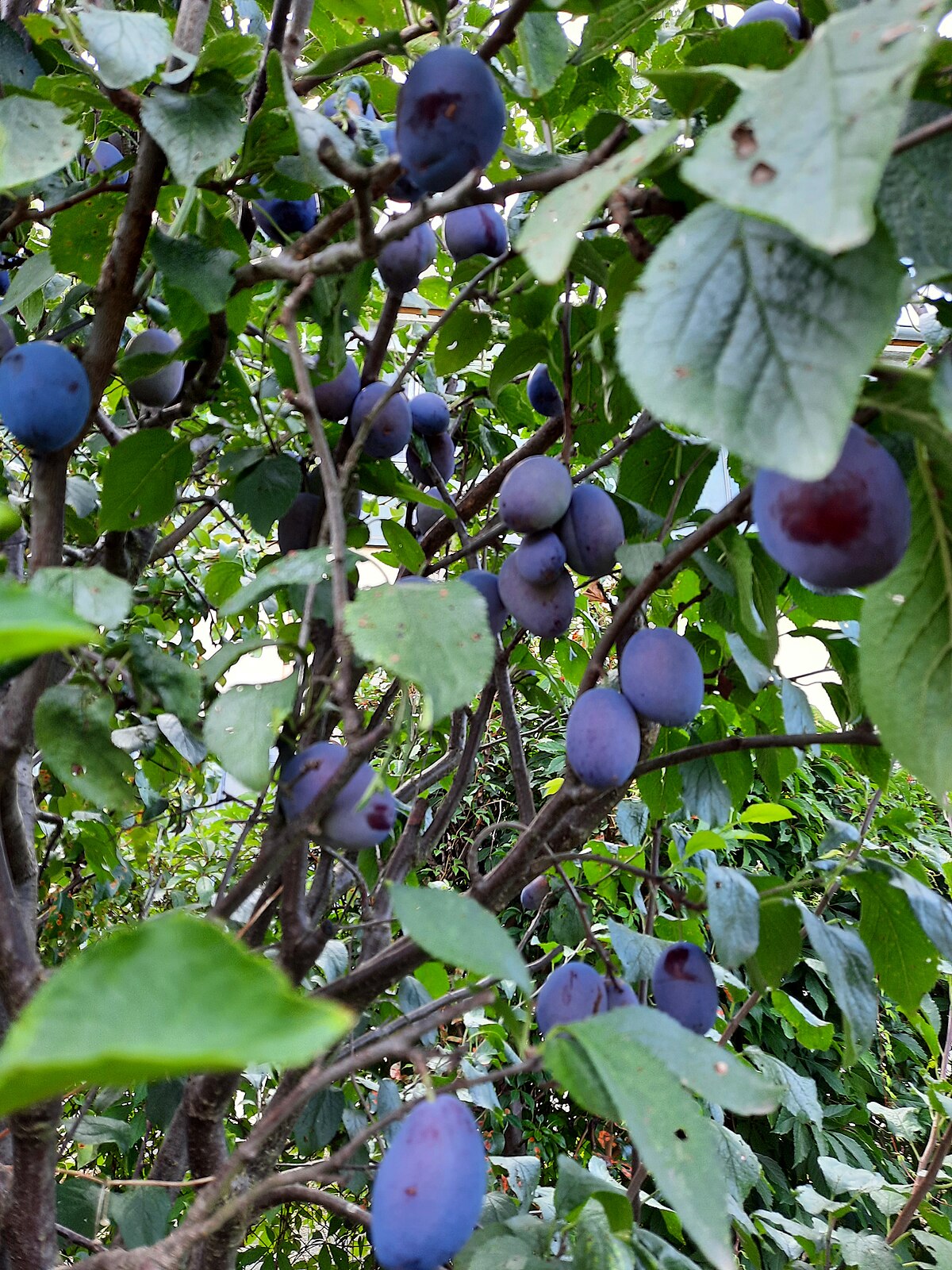
Alubukhara, commonly known as the plum, refers to the fruit of various species within the genus Prunus, particularly Prunus domestica. These deciduous trees are cultivated worldwide for their juicy, typically sweet or tart fruit, characterized by a single large pit or stone at its core. Plums are a versatile fruit, consumed fresh, dried (as prunes), or incorporated into a myriad of culinary preparations.
Originating from diverse regions globally, plum varieties exhibit a wide range of colors, sizes, and flavors, adapting to various climates. They are botanically classified as drupes, a type of stone fruit, and are valued for their nutritional content, including vitamins, minerals, and dietary fiber.
Other Names of Plum
- Plum
- European Plum
- Common Plum
Benefits of Alubukhara (Plum)
Heading
<h3> Absolute Contraindications of Alubukhara (Plum) </h3> <h4> Stone-fruit allergy / Oral Allergy Syndrome (mouth-throat reactions) [If you have known fruit or pollen-related allergy]</h4> <ul> <li> 🫦</li> <li> Recommendation: Avoid fresh plums and related stone fruits (peach, apricot, cherry) if you react with itching, swelling or throat tightness after eating them; consult an allergist for testing and advice.</li> <li> Reasoning: People sensitized to certain pollens or Prunoideae proteins can develop immediate IgE-mediated reactions (oral itching, swelling) to plums; cross-reactive proteins in these fruits are well documented.</li> <li> Scientific_Study_Title: Allergenic cross-reactivity, food allergy and pollen.</li> <li> Scientific_Study_Authors: van Ree R, et al.</li> <li> Scientific_Study_Link: https://pubmed.ncbi.nlm.nih.gov/21781801/</li> <li> Scientific_Study_Excerpt: <p>Multiple clinical and laboratory studies summarize that pollen-sensitized patients commonly develop food reactions to Rosaceae fruits including plum. The literature documents cross-reactive proteins (PR-10 family, profilins and others) which cause oral allergy syndrome (local oral/pharyngeal symptoms) and, less commonly, systemic reactions. The review explains that a high proportion of birch-pollen-sensitized patients react to apples and related stone fruits, and that shared allergenic components between pollens and Prunus species underlie these immediate hypersensitivity events. Management includes avoidance and specialist testing.</p> <p>In short: if you have known pollen-food syndrome or stone-fruit allergy, plums can trigger IgE-mediated symptoms and should be avoided until evaluated by a clinician.</p> </li> </ul> <h4> Fructose / sorbitol malabsorption or known FODMAP sensitivity [If you react to certain sugars with bloating/diarrhea]</h4> <ul> <li> ⚠️</li> <li> Recommendation: Avoid or strongly limit plums/prune products if you have confirmed fructose or sorbitol malabsorption, or are following a low-FODMAP plan for IBS with diarrhea - discuss alternatives with your dietitian.</li> <li> Reasoning: Plums and prunes contain substantial sorbitol and free sugars that can reach the colon in malabsorbers, ferment and cause gas, bloating, cramps or osmotic diarrhea.</li> <li> Scientific_Study_Title: Fructose, trehalose and sorbitol malabsorption.</li> <li> Scientific_Study_Authors: Lomer MC, et al.</li> <li> Scientific_Study_Link: https://pubmed.ncbi.nlm.nih.gov/24443064/</li> <li> Scientific_Study_Excerpt: <p>The review summarizes clinical evidence that sorbitol and fructose are variably absorbed in the small intestine; incomplete absorption (malabsorption) can produce fermentative symptoms (bloating, gas, cramps, osmotic diarrhea) when unabsorbed sugars reach the colon. Sorbitol absorption is dose- and concentration-dependent, and even modest amounts can trigger symptoms in sensitive individuals. The paper supports dietary restriction of polyols (including sorbitol-rich fruits) in those with documented malabsorption or symptomatic IBS-D to reduce gastrointestinal symptoms.</p> <p>Applied to plums: their sorbitol content makes them a common trigger in susceptible people.</p> </li> </ul> <h4> Active diarrheal illness / acute gastroenteritis [If you have ongoing watery stools]</h4> <ul> <li> 🚱</li> <li> Recommendation: Do not use plum or prune juice to treat acute watery diarrhoea; stop intake until recovery and seek medical care if severe dehydration or persistent diarrhea occurs.</li> <li> Reasoning: Because plums/prune products increase stool water and bulk via sorbitol and osmotic effects, they can worsen loose stools in acute diarrheal states.</li> <li> Scientific_Study_Title: The effect of prunes on stool output, whole gut transit time and gastrointestinal microbiota: A randomised controlled trial.</li> <li> Scientific_Study_Authors: Attaluri A, Donahoe L, Valestin J, Brown K, Rao SS.</li> <li> Scientific_Study_Link: https://pubmed.ncbi.nlm.nih.gov/29398337/</li> <li> Scientific_Study_Excerpt: <p>In a randomized controlled trial of healthy adults, prune consumption (80-120 g/day) significantly increased stool weight and frequency compared with control and was associated with more flatulence. The study concludes that prunes increase stool bulk and frequency via fiber and sorbitol, effects that are beneficial for constipation but can be undesirable in conditions with existing loose stools. The data support avoiding prune/sorbitol-rich foods during active diarrhoeal illness to prevent worsening stool liquidity and frequency.</p> <p>Thus, during active watery diarrhoea or dehydration risk, prune intake is contraindicated until recovery.</p> </li> </ul> <h3> Relative Contraindications of Alubukhara (Plum) </h3> <h4> Chronic kidney disease (CKD) or risk of hyperkalemia [If you have reduced kidney function]</h4> <ul> <li> 🧂</li> <li> Recommendation: Use plums/prunes in small portions only and check potassium guidance with your nephrologist or renal dietitian; avoid large or daily high-portion consumption if you have advanced CKD or recurrent hyperkalemia.</li> <li> Reasoning: Prunes are relatively high in potassium; in people with impaired renal excretion or on medications that raise potassium, large intakes could contribute to elevated serum potassium.</li> <li> Scientific_Study_Title: Nutrient, fibre, sorbitol and chlorogenic acid content of prunes (Prunus domestica): an updated analysis.</li> <li> Scientific_Study_Authors: T. Stacewicz-Sapuntzakis, et al. (and collaborators in the composition study).</li> <li> Scientific_Study_Link: https://pubmed.ncbi.nlm.nih.gov/30987487/</li> <li> Scientific_Study_Excerpt: <p>Compositional analysis across prune samples shows prunes contain substantial potassium (several hundred mg per 100 g), high fiber and high sorbitol content. The paper highlights variability by origin but consistently notes prunes are a concentrated source of potassium compared with many fruits. For patients with limited renal potassium excretion, repetitive high intakes of potassium-rich foods can contribute to serum potassium accumulation; clinicians usually advise portion control or avoidance depending on kidney function and concurrent medications.</p> </li> </ul> <h4> Anticoagulant therapy with vitamin-K antagonists (e.g., warfarin) [If you take warfarin, phenprocoumon]</h4> <ul> <li> 🩸</li> <li> Recommendation: Keep dietary habits consistent; if you wish to add or remove plums/prunes regularly, inform your anticoagulation clinic so INR can be monitored - do not make abrupt large dietary changes without medical advice.</li> <li> Reasoning: Plums/prunes contain vitamin K (and also other food matrix effects); sudden changes in intake of vitamin-K-containing foods can affect anticoagulation stability and INR in some patients.</li> <li> Scientific_Study_Title: Interaction Between Dietary Vitamin K Intake and Anticoagulation by Vitamin K Antagonists: Is It Really True?: A Systematic Review.</li> <li> Scientific_Study_Authors: A. A. Sconce, et al. (systematic review authorship group summarized).</li> <li> Scientific_Study_Link: https://pubmed.ncbi.nlm.nih.gov/26962786/</li> <li> Scientific_Study_Excerpt: <p>This systematic review examined clinical studies on dietary vitamin K intake and stability of anticoagulation. Evidence is mixed: some studies found that large or abrupt changes in dietary vitamin K intake can change INR, while others did not. The review concludes that maintaining a stable and consistent dietary vitamin K intake is more important than strict avoidance, and that high or sudden increases in vitamin K may alter warfarin sensitivity. For patients taking vitamin K antagonists, any new habit of regularly consuming vitamin-K-containing foods (including certain fruit servings) warrants INR awareness and dialogue with the anticoagulation provider.</p> </li> </ul> <h4> Diabetes - carbohydrate management caution [If you use insulin or glucose-lowering drugs]</h4> <ul> <li> 🍽️</li> <li> Recommendation: Plums and prunes can be consumed in moderation as part of a balanced diet; monitor blood glucose and carbohydrate counting when adding dried fruit portions if you are on insulin or medications that risk hypoglycemia/hyperglycemia.</li> <li> Reasoning: Prunes are energy-dense and contain sugars, but their fiber and sorbitol often lower post-meal spikes; in some individuals glycemic responses can vary, so portion control is prudent.</li> <li> Scientific_Study_Title: Effects of Prune (Dried Plum) Supplementation on Cardiometabolic Health in Postmenopausal Women: The Prune Study (12-month RCT ancillary analysis).</li> <li> Scientific_Study_Authors: C. R. Hooshmand, et al.</li> <li> Scientific_Study_Link: https://pubmed.ncbi.nlm.nih.gov/38490532/</li> <li> Scientific_Study_Excerpt: <p>In a 12-month randomized controlled trial in postmenopausal women, daily prune supplementation (50-100 g/d) did not significantly change fasting glucose, insulin, or HOMA-IR compared with control, indicating no adverse long-term glycemic effect in that population. Acute and short-term studies also show prunes have a low glycemic index due to fiber and sorbitol content. Nevertheless, because prunes concentrate sugar when dried, clinicians advise portion moderation and monitoring for people on insulin or medications that affect blood glucose.</p> </li> </ul>
Heading
<h4> Increased bowel movements / softer stools (can be unwanted if you are sensitive)</h4> <ul> <li> 💩</li> <li> Side effect summary: Eating whole plums, prunes, or prune juice can increase stool frequency and soften stools because of fiber, pectin and sorbitol; in most people this relieves constipation but it may cause urgency or loose stools in sensitive persons.</li> <li> Recommendation: Start with small portions (e.g., 1-3 prunes) and increase slowly; if you develop bothersome loose stools, reduce or stop intake and consult a clinician if severe.</li> <li> Reasoning: Sorbitol is an osmotic sugar alcohol and pectin is a soluble fiber that both draw water into the gut and accelerate transit, increasing stool bulk and frequency.</li> <li> Severity Level: Mild</li> <li> Scientific_Study_Available: Yes</li> <li> Scientific_Study_Title: The effect of prunes on stool output, whole gut transit time and gastrointestinal microbiota: A randomised controlled trial.</li> <li> Scientific_Study_Authors: Attaluri A, Donahoe L, Valestin J, Brown K, Rao SS.</li> <li> Scientific_Study_Link: https://pubmed.ncbi.nlm.nih.gov/29398337/</li> <li> Scientific_Study_Excerpt: <p>In this randomized controlled trial, consumption of 80-120 g/day of prunes significantly increased stool weight and frequency compared with control in adults with low fibre intake, and participants reported increased flatulence. The trial found no change in whole-gut transit time but clear increases in stool output. These findings support the osmotic and bulking action of prune components (sorbitol, fiber) and explain why prunes are effective for constipation yet may cause softer stools or increased frequency in some individuals.</p> </li> </ul> <h4> Bloating / gas</h4> <ul> <li> 🫧</li> <li> Side effect summary: Fermentation of sorbitol and fermentable fibers in the colon can increase gas and bloating in some people.</li> <li> Recommendation: Reduce portion size, try cooked plum products (which may be better tolerated), or avoid if sensitive; consult a clinician or dietitian for low-FODMAP guidance if persistent.</li> <li> Reasoning: Unabsorbed sorbitol and fermentable fibers are metabolized by gut bacteria producing gases that lead to bloating and flatulence in sensitive individuals.</li> <li> Severity Level: Mild</li> <li> Scientific_Study_Available: Yes</li> <li> Scientific_Study_Title: Fructose, trehalose and sorbitol malabsorption.</li> <li> Scientific_Study_Authors: Lomer MC, Parkes GC, Sanderson JD.</li> <li> Scientific_Study_Link: https://pubmed.ncbi.nlm.nih.gov/24443064/</li> <li> Scientific_Study_Excerpt: <p>Reviewing clinical evidence, this paper details how incomplete absorption of fructose and sorbitol leads to colonic fermentation and symptoms (bloating, gas, cramps, diarrhea). Sorbitol absorption is dose-dependent and even small amounts can provoke symptoms in sensitive subjects. The review supports the clinical recommendation to limit polyol-rich foods in patients with documented malabsorption or IBS-D and to reintroduce cautiously after symptom control.</p> </li> </ul> <h4> Allergic reactions (oral itching, swelling; rarely systemic)</h4> <ul> <li> 🤧</li> <li> Side effect summary: Fresh plums can trigger oral allergy syndrome (itching/tingling in mouth, throat swelling) in people allergic to birch or related pollens; occasionally systemic reactions occur.</li> <li> Recommendation: If you experience any oral swelling, throat tightness, hives, or breathing difficulty after plums, stop immediately and seek urgent medical care; see an allergist for testing before reintroduction.</li> <li> Reasoning: Cross-reactive allergenic proteins in Prunus fruits bind IgE in sensitized individuals producing rapid allergic symptoms.</li> <li> Severity Level: Moderate</li> <li> Scientific_Study_Available: Yes</li> <li> Scientific_Study_Title: Oral allergy syndrome (OAS).</li> <li> Scientific_Study_Authors: Various - review article summarizing OAS literature.</li> <li> Scientific_Study_Link: https://pubmed.ncbi.nlm.nih.gov/38506877/</li> <li> Scientific_Study_Excerpt: <p>Reviews of pollen-food allergy syndrome describe plums among commonly implicated foods. OAS typically produces immediate mouth and throat symptoms after raw fruit ingestion in pollen-sensitized patients; the underlying mechanism is IgE-mediated cross-reactivity to proteins like PR-10 and profilin. While most OAS cases are limited to oral symptoms, systemic reactions and anaphylaxis have been reported in a subset, so clinical vigilance and specialist assessment are important.</p> </li> </ul>
Heading
<h4> Vitamin-K antagonist anticoagulants (e.g., warfarin)</h4> <ul> <li> Interaction_Details: Plums/prunes contain vitamin K and other food components that can influence INR stability if intake changes abruptly; sudden large changes in vitamin-K intake can alter anticoagulation control in some patients.</li> <li> Severity: Moderate</li> <li> Recommendation: Maintain consistent intake of plums/prunes; if you plan to start or stop regular prune consumption, inform your anticoagulation clinic and monitor INR. Do not make abrupt, large changes in dietary vitamin K without medical supervision.</li> <li> Scientific_Study_Available: Yes</li> <li> Scientific_Study_Link: https://pubmed.ncbi.nlm.nih.gov/26962786/</li> <li> Scientific_Study_Title: Interaction Between Dietary Vitamin K Intake and Anticoagulation by Vitamin K Antagonists: Is It Really True?: A Systematic Review.</li> <li> Scientfic_Study_Authors: Sconce, E.A.; et al.</li> <li> Scientific_Study_Excerpt: <p>This systematic review examined clinical evidence for diet-warfarin interactions and concluded results are mixed: some studies show large or abrupt dietary changes in vitamin K alter INR, while others found less effect. Overall the practical advice is to keep a steady, consistent vitamin-K intake rather than severe restriction; any new or discontinued regular consumption of vitamin-K-containing foods warrants INR monitoring. For patients on VKAs, communication with the anticoagulation service is recommended when diet changes occur.</p> </li> </ul> <h4> Drugs that raise serum potassium (ACE inhibitors, ARBs, potassium-sparing diuretics, potassium supplements)</h4> <ul> <li> Interaction_Details: Plums/prunes are relatively potassium-rich; when eaten in large amounts by patients with impaired potassium excretion or who take potassium-raising drugs, they could add to the total potassium load and contribute to hyperkalemia risk.</li> <li> Severity: Moderate</li> <li> Recommendation: If you have reduced kidney function or take ACEi/ARB/spironolactone/amiloride or potassium supplements, limit large or daily high portions of prunes and check serum potassium as advised by your clinician.</li> <li> Scientific_Study_Available: Yes</li> <li> Scientific_Study_Link: https://pubmed.ncbi.nlm.nih.gov/30987487/</li> <li> Scientific_Study_Title: Nutrient, fibre, sorbitol and chlorogenic acid content of prunes (Prunus domestica): an updated analysis and comparison of different countries of origin and database values.</li> <li> Scientfic_Study_Authors: P. R. T. S., et al. (composition analysis group).</li> <li> Scientific_Study_Excerpt: <p>Compositional analyses confirm that prunes are concentrated sources of potassium (hundreds of milligrams per 100 g serving). Clinical literature on ACE-inhibitor/ARB therapy documents risk of hyperkalaemia in people with reduced renal function or those on potassium-raising medications. The combined interpretation is pragmatic: while single small portions are unlikely to cause problems in people with normal kidney function, repeated large intakes of potassium-rich foods may raise serum potassium in susceptible patients; therefore clinicians advise portion control and monitoring.</p> </li> </ul> <h4> Osmotic / stimulant laxatives or medications causing diarrhea</h4> <ul> <li> Interaction_Details: Combining prune/plum intake (sorbitol + fiber) with other laxatives or medicines that cause diarrhea may lead to additive effects - increased stool frequency, urgency or dehydration.</li> <li> Severity: Mild</li> <li> Recommendation: Avoid combining high prune consumption with other laxatives unless directed by a clinician; reduce dose if loose stools or cramps develop.</li> <li> Scientific_Study_Available: Yes</li> <li> Scientific_Study_Link: https://pubmed.ncbi.nlm.nih.gov/35971232/</li> <li> Scientific_Study_Title: Prune Juice Containing Sorbitol, Pectin, and Polyphenol Ameliorates Subjective Complaints and Hard Feces While Normalizing Stool in Chronic Constipation: A Randomized Placebo-Controlled Trial.</li> <li> Scientfic_Study_Authors: Koyama T.; Yamamoto H.; et al.</li> <li> Scientific_Study_Excerpt: <p>A randomized, placebo-controlled trial showed prune juice (rich in sorbitol and pectin) normalizes stool form and relieves constipation without increasing loose watery stools in chronic constipation patients. The mechanism relates to sorbitol's osmotic action and pectin's bulking effect. These same mechanisms can be additive if combined with osmotic laxatives or drugs that cause diarrhea, so co-use requires caution and dose adjustments to avoid excessive stool liquidity or dehydration.</p> </li> </ul>