Akhrot (Walnut)

Juglans regia
Akhrot (Walnut), or Juglans regia, is a valued nut in Ayurveda, traditionally considered to balance Vata dosha while potentially increasing Pitta and Kapha. It's prevalent for its claimed benefits in supporting brain health and providing nourishment. Widely consumed globally, walnuts are a common ingredient in Ayurvedic dietary recommendations for overall well-being.
PLANT FAMILY
Juglandaceae (Walnut)
PARTS USED
Seed, Oil, Bark
AYURVEDIC ACTION
Vata ↓, Pitta ↑, Kapha ↑
ACTIVE COMPOUNDS
Alpha-linolenic acid (9-12%)

What is Akhrot (Walnut)?

Akhrot, commonly known as Walnut, refers to the edible seed of trees in the genus Juglans, particularly Juglans regia, the Persian or English walnut. These trees are native to Central Asia and the Mediterranean region, and are widely cultivated globally for their highly nutritious nuts. The walnut fruit is botanically a drupe, encased in a green, fleshy husk that splits open at maturity to reveal the hard, wrinkled shell containing the kernel.

Valued for its distinctive flavor and rich nutritional profile, walnuts are a significant source of omega-3 fatty acids, antioxidants, and protein. They are consumed extensively worldwide, both as a snack and as an ingredient in a diverse array of culinary preparations.

Other Names of Akhrot (Walnut)

  • Walnut
  • Persian Walnut
  • English Walnut
  • Common Walnut
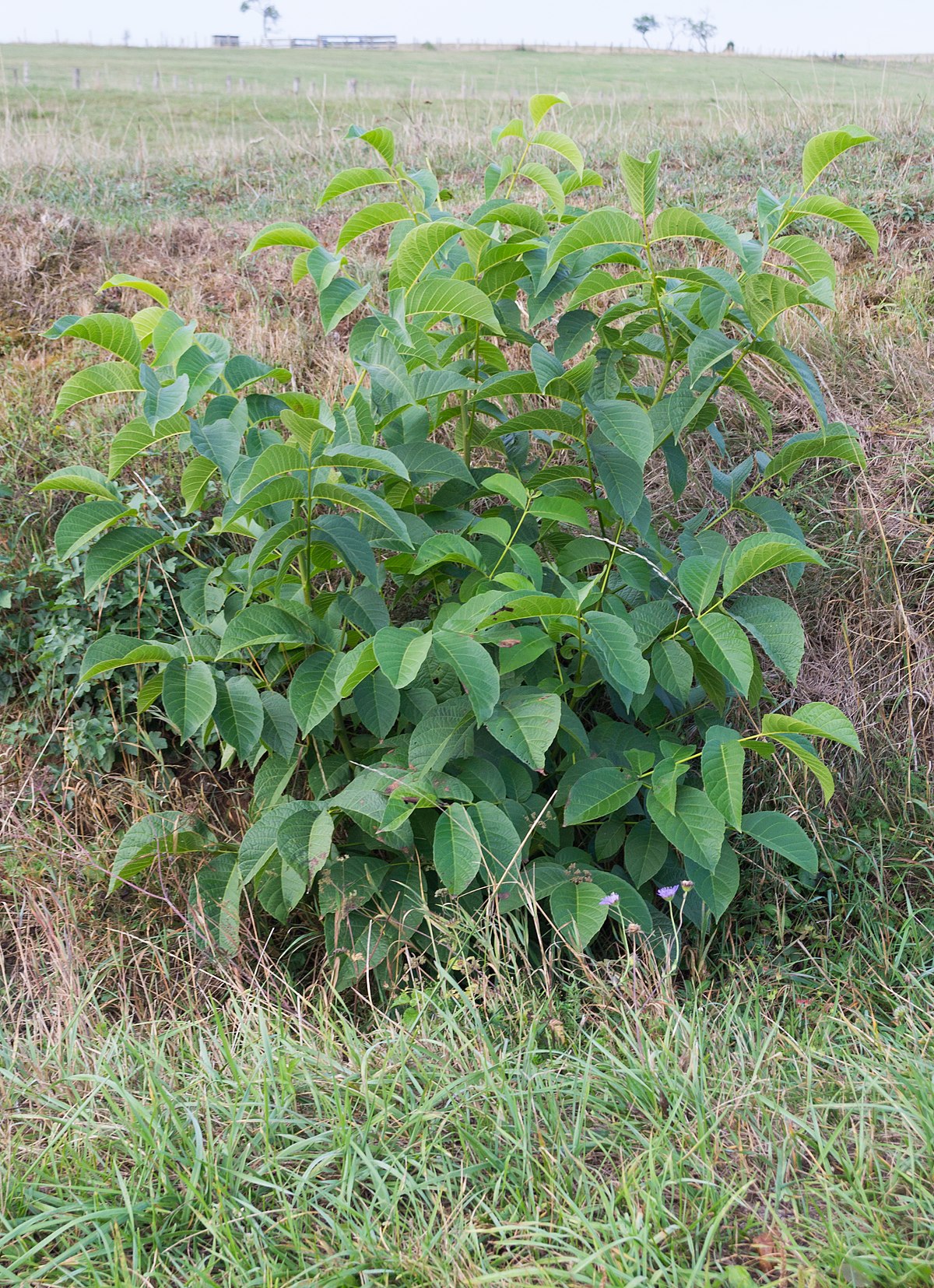
Juglans regia young

Benefits of Akhrot (Walnut)

Heading

<h3> Absolute Contraindications of Akhrot (Walnut) </h3> <h4> Known walnut / tree-nut allergy (history of immediate allergic reaction) </h4> <ul> <li> Relevant Emoji 🛑</li> <li> Recommendation: Stop eating walnuts completely; carry emergency epinephrine if prescribed and consult an allergist for testing and a personalized action plan.</li> <li> Reasoning: Walnut proteins commonly produce IgE-mediated reactions that can escalate rapidly to systemic anaphylaxis; even tiny amounts or cross-contamination may trigger severe responses.</li> <li> Scientific_Study_Title: Allergen Recognition Patterns in Walnut Allergy Are Age Dependent and Correlate with the Severity of Allergic Reactions.</li> <li> Scientific_Study_Authors: Wüthrich B, et al. (listed authors in the PubMed entry; representing multicenter European group)</li> <li> Scientific_Study_Link: https://pubmed.ncbi.nlm.nih.gov/30708144/</li> <li> Scientific_Study_Excerpt: <p>Paraphrase: Large clinical series of confirmed walnut-allergic patients showed high rates of severe reactions and identified walnut allergen components (e.g., Jug r proteins) linked to more severe clinical phenotypes. Sensitization patterns correlated with reaction severity, and cross-reactivity to related tree nuts was common. The study highlights that walnut allergy is frequently IgE-mediated and can produce anaphylaxis, supporting strict avoidance and specialist management in allergic individuals.</p> </li> </ul> <h4> Children and infants with high choking risk - very young children (especially under ~4 years)</h4> <ul> <li> Relevant Emoji 🚫👶</li> <li> Recommendation: Do not give whole walnuts to children under the recommended age; offer ground or paste forms only if age-appropriate and under professional guidance.</li> <li> Reasoning: Whole nuts are a recognized choking hazard for young children because their chewing/grinding and airway size make aspiration/airway obstruction more likely.</li> <li> Scientific_Study_Title: Prevention of Choking Among Children - AAP Policy Statement (Pediatrics)</li> <li> Scientific_Study_Authors: Committee on Injury, Violence, and Poison Prevention, American Academy of Pediatrics</li> <li> Scientific_Study_Link: https://publications.aap.org/pediatrics/article/125/3/601/72642/Prevention-of-Choking-Among-Children</li> <li> Scientific_Study_Excerpt: <p>Paraphrase: The AAP policy summarizes surveillance and evidence showing food-related choking is a major cause of injury and death in young children; it explicitly lists whole nuts and seeds among high-risk foods for toddlers and recommends age-appropriate preparation and avoidance of whole nuts in young children to prevent airway obstruction.</p> </li> </ul> <h4> Recent severe anaphylactic reaction to any tree nut (cross-reactive triggers) </h4> <ul> <li> Relevant Emoji ⚠️</li> <li> Recommendation: Treat as absolute-avoid walnuts and other tree nuts until assessed by an allergy specialist; strict avoidance recommended if testing confirms risk.</li> <li> Reasoning: Cross-reactivity between tree nuts (e.g., walnut, pecan, Brazil nut, cashew) is common; prior anaphylaxis to any tree nut increases risk with walnuts.</li> <li> Scientific_Study_Title: Cases of anaphylaxis and immediate-type allergic reactions to nuts that could not be prevented by mere awareness of avoiding the allergenic food.</li> <li> Scientific_Study_Authors: (Case series authors as in the PubMed entry)</li> <li> Scientific_Study_Link: https://pubmed.ncbi.nlm.nih.gov/40790520/</li> <li> Scientific_Study_Excerpt: <p>Paraphrase: Case reports illustrate that even careful avoidance may fail because of hidden cross-contamination or mislabeling; episodes included severe anaphylaxis in children despite precautions. The report underscores the need for strict medical management and emergency planning for those with prior severe reactions to tree nuts.</p> </li> </ul> <h3> Relative Contraindications of Akhrot (Walnut) </h3> <h4> Anticoagulant / antiplatelet therapy (e.g., warfarin, other anticoagulants) - caution advised</h4> <ul> <li> Relevant Emoji 🩸</li> <li> Recommendation: If you take anticoagulants, discuss walnut intake with your clinician; monitor bleeding signs and maintain consistent walnut consumption (avoid sudden large increases) while under follow-up.</li> <li> Reasoning: Walnuts contain ALA and polyphenols which have mild antiplatelet/anti-inflammatory properties in vitro. Clinical trials are mixed; some controlled trials show no major platelet activation effect at moderate intakes, but theoretical additive anticoagulant effects mean caution and monitoring are prudent.</li> <li> Scientific_Study_Title: Effect of moderate walnut consumption on lipid profile, arterial stiffness, and platelet activation in humans.</li> <li> Scientific_Study_Authors: Din JN, Aftab SM, Jubb AW, Carnegy FH, Lyall K, Sarma J, Newby DE, Flapan AD.</li> <li> Scientific_Study_Link: https://pubmed.ncbi.nlm.nih.gov/21048773/</li> <li> Scientific_Study_Excerpt: <p>Paraphrase: In a randomized crossover trial (15 g/day walnuts vs control in healthy volunteers), moderate walnut supplementation increased dietary ALA but did not change platelet-monocyte aggregates or markers of platelet activation, nor arterial stiffness. Authors concluded moderate intake did not measurably alter platelet activation; nevertheless, the study size was small and does not exclude interactions in patients on therapeutic anticoagulation-hence clinical caution.</p> </li> </ul> <h4> Gastrointestinal structural disease / prior gastric or bowel surgery or known strictures (risk of phytobezoar/impaction)</h4> <ul> <li> Relevant Emoji ⚠️🍽️</li> <li> Recommendation: People with known strictures, prior gastric surgery (e.g., partial gastrectomy), or slow gastric emptying should avoid ingesting large quantities of whole nuts without medical advice; prefer ground forms and discuss with a gastroenterologist.</li> <li> Reasoning: Seeds and nuts can accumulate and form phytobezoars in patients with altered motility or anatomical narrowing, potentially causing obstruction; reported cases exist for seed bezoars causing impaction/obstruction.</li> <li> Scientific_Study_Title: Gastrointestinal Seed Bezoars: A Systematic Review of Case Reports and Case Series.</li> <li> Scientific_Study_Authors: (Systematic review authors as per PubMed entry)</li> <li> Scientific_Study_Link: https://pubmed.ncbi.nlm.nih.gov/31333915/</li> <li> Scientific_Study_Excerpt: <p>Paraphrase: Review of case reports identified seed-derived phytobezoars (from seeds/nuts) causing constipation, rectal impaction, and intestinal obstruction in susceptible patients. Many cases occurred where seed ingestion was heavy or where underlying GI narrowing existed; clinical management often required disimpaction or surgery. Authors highlight risk factors and advise dietary modification in at-risk individuals.</p> </li> </ul>

Heading

<h4> Allergic reaction - from mild mouth itching to life-threatening anaphylaxis</h4> <ul> <li> Relevant Emoji 🤧 / 🚨</li> <li> Side effect summary: Tree-nut allergy to walnuts can cause hives, swelling, vomiting, breathing difficulty and anaphylaxis; reactions can be immediate and severe.</li> <li> Recommendation: Stop intake immediately and seek urgent care for systemic reactions; see an allergist for testing and emergency planning including carrying epinephrine if indicated.</li> <li> Reasoning: Clinical and immunologic studies demonstrate walnut proteins (Jug r components) are potent allergens producing IgE-mediated reactions; cross-reactivity with other nuts is common.</li> <li> Severity Level: Severe</li> <li> Scientific_Study_Available: Yes</li> <li> Scientific_Study_Title: Allergen Recognition Patterns in Walnut Allergy Are Age Dependent and Correlate with the Severity of Allergic Reactions.</li> <li> Scientific_Study_Authors: (Authors listed in the PubMed record)</li> <li> Scientific_Study_Link: https://pubmed.ncbi.nlm.nih.gov/30708144/</li> <li> Scientific_Study_Excerpt: <p>Paraphrase: In a multicenter clinical cohort, walnut allergy produced a broad spectrum of reactions from oral allergy syndrome to anaphylaxis; molecular sensitization profiles correlated with clinical severity. The study emphasizes the frequency of severe responses and cross-reactivity with related nuts, supporting strict avoidance and specialist evaluation in allergic patients.</p> </li> </ul> <h4> Gastrointestinal discomfort (bloating, gas, loose stool) in sensitive individuals</h4> <ul> <li> Relevant Emoji 💨</li> <li> Side effect summary: Some people report bloating, gas or mild diarrhea after eating larger amounts of walnuts, especially if their gut is sensitive or they rapidly increase intake.</li> <li> Recommendation: Reduce portion size, chew thoroughly, increase intake gradually and ensure adequate hydration; if persistent or severe, consult a clinician.</li> <li> Reasoning: Walnuts are calorie-dense and contain fiber and fats that can alter stool characteristics or gas production in some subjects; controlled trials and systematic reviews report generally neutral stool frequency but individual GI intolerance occurs.</li> <li> Severity Level: Mild</li> <li> Scientific_Study_Available: Yes</li> <li> Scientific_Study_Title: Nuts and their Effect on Gut Microbiota, Gut Function and Symptoms in Adults: A Systematic Review and Meta-Analysis of Randomised Controlled Trials.</li> <li> Scientific_Study_Authors: (Systematic review authors as per the PubMed/MDPI entry)</li> <li> Scientific_Study_Link: https://pubmed.ncbi.nlm.nih.gov/31401934/ (MDPI review/related RCTs summarized at https://www.mdpi.com/2072-6643/12/8/2347)</li> <li> Scientific_Study_Excerpt: <p>Paraphrase: Systematic review of nut trials found walnut interventions modified gut microbiome composition and, while overall effects on stool frequency were neutral in pooled analyses, some participants reported GI symptoms. The evidence indicates most people tolerate moderate walnut intake well, but individuals with IBS or rapid large increases in fiber/fat intake may experience transient discomfort.</p> </li> </ul> <h4> Phytobezoar / intestinal impaction in susceptible patients (strictures, prior gastric surgery)</h4> <ul> <li> Relevant Emoji ⚠️🧩</li> <li> Side effect summary: In rare cases and primarily in patients with predisposing GI anatomy/motility issues, seeds/nut fragments can accumulate to form obstructing masses (phytobezoars).</li> <li> Recommendation: Those with prior gastric surgery, strictures or motility disorders should avoid large amounts of whole nuts and prefer ground/processed forms after medical discussion.</li> <li> Reasoning: Case reports and series document phytobezoars from seeds/nuts causing obstruction; risk increases with impaired gastric emptying or anatomical narrowing.</li> <li> Severity Level: Moderate</li> <li> Scientific_Study_Available: Yes</li> <li> Scientific_Study_Title: Gastrointestinal Seed Bezoars: A Systematic Review of Case Reports and Case Series.</li> <li> Scientific_Study_Authors: (Authors per PubMed entry)</li> <li> Scientific_Study_Link: https://pubmed.ncbi.nlm.nih.gov/31333915/</li> <li> Scientific_Study_Excerpt: <p>Paraphrase: A systematic review of 153 patients with seed bezoars reported symptoms ranging from constipation to intestinal obstruction; most bezoars were composed of seeds/nut shells and commonly located in the rectum or terminal ileum. Relevant risk factors included excessive seed intake and underlying GI pathology; management ranged from manual disimpaction to surgery.</p> </li> </ul>

Heading

<h4> Anticoagulants / Antiplatelet drugs (e.g., warfarin, direct oral anticoagulants - theoretical/limited clinical evidence)</h4> <ul> <li> Interaction_Details: Walnuts provide ALA and polyphenols with mild antiplatelet/anti-inflammatory effects in laboratory studies; however, human trials at moderate intake generally show no clear increase in bleeding or platelet activation, so a clinically meaningful interaction is not well established but cannot be fully excluded in anticoagulated patients.</li> <li> Severity: Mild</li> <li> Recommendation: Consult your prescribing clinician before increasing walnut intake markedly; if on therapeutic anticoagulation, maintain a consistent walnut intake pattern and report unusual bleeding or bruising promptly.</li> <li> Scientific_Study_Available: Yes</li> <li> Scientific_Study_Link: https://pmc.ncbi.nlm.nih.gov/articles/PMC3033322/</li> <li> Scientific_Study_Title: Effect of moderate walnut consumption on lipid profile, arterial stiffness, and platelet activation in humans.</li> <li> Scientfic_Study_Authors: Din JN, Aftab SM, Jubb AW, Carnegy FH, Lyall K, Sarma J, Newby DE, Flapan AD.</li> <li> Scientific_Study_Excerpt: <p>Paraphrase: In a randomized crossover trial of 30 healthy men consuming 15 g/day walnuts for 4 weeks vs control, investigators found increased dietary ALA with walnut intake but no changes in platelet-monocyte aggregates or other platelet activation markers. The authors concluded moderate walnut consumption did not affect platelet activation in healthy subjects. They noted the study’s small size and limited power to detect effects in patients on anticoagulant therapy.</p> </li> </ul> <h4> Drugs metabolized by cytochrome P450 enzymes - possible in vitro signals (uncertain clinical impact)</h4> <ul> <li> Interaction_Details: Walnut extracts and some walnut components have shown in vitro modulation of several CYP enzymes; this raises a theoretical risk that very high intake or concentrated extracts could alter metabolism of drugs handled by affected CYPs, but clinical evidence in humans is lacking.</li> <li> Severity: Mild</li> <li> Recommendation: For most people eating normal dietary amounts of walnuts there is no proven clinically relevant interaction; discuss with your clinician if you use high-dose walnut supplements or have drugs with narrow therapeutic indices.</li> <li> Scientific_Study_Available: Yes (in vitro / preclinical)</li> <li> Scientific_Study_Link: https://www.mdpi.com/ (see MDPI review table summarizing in vitro CYP interactions; example summary page: MDPI review on botanical foods and CYP interactions)</li> <li> Scientific_Study_Title: Mechanism-Driven and Clinically Focused Development of Botanical Foods as Multitarget Anticancer Medicine: Collective Perspectives and Insights from Preclinical Studies, IND Applications and Early-Phase Clinical Trials.</li> <li> Scientfic_Study_Authors: (MDPI review authors listed on the article)</li> <li> Scientific_Study_Excerpt: <p>Paraphrase: The review compiles preclinical evidence that certain walnut components modulate multiple CYP isoforms in vitro and in animal models. The authors note such findings indicate a potential for herb-drug interactions but stress that in vitro CYP modulation does not always translate into clinically meaningful interactions in humans; they call for targeted clinical pharmacokinetic studies where concern exists for narrow therapeutic index drugs.</p> </li> </ul>