Adrak (Ginger)

Zingiber officinale
Adrak (Ginger), a revered herb in Ayurveda, is widely prevalent for its claimed digestive and warming properties. Its pungent taste is supposedly beneficial for balancing Vata and Kapha doshas. This ancient spice, Zingiber officinale, finds extensive use in traditional culinary and medicinal practices globally, especially in India and China.
PLANT FAMILY
Zingiberaceae (Ginger)
PARTS USED
Rhizome
AYURVEDIC ACTION
Vata ↓, Pitta ↑, Kapha ↓
ACTIVE COMPOUNDS
Gingerols (1-3%)

What is Adrak (Ginger)?

Adrak, commonly known as Ginger (Zingiber officinale), is a flowering plant in the Zingiberaceae family, whose rhizome (underground stem) is widely used as a spice and in traditional medicine. Native to Maritime Southeast Asia, it is now cultivated globally, especially in India and China, thriving in warm, humid climates.

Characterized by its pungent, aromatic flavor, ginger's unique taste is due to gingerols, its primary bioactive compounds. It's an ingredient in diverse cuisines, from savory dishes to beverages, and recognized for its historical significance in various cultural practices.
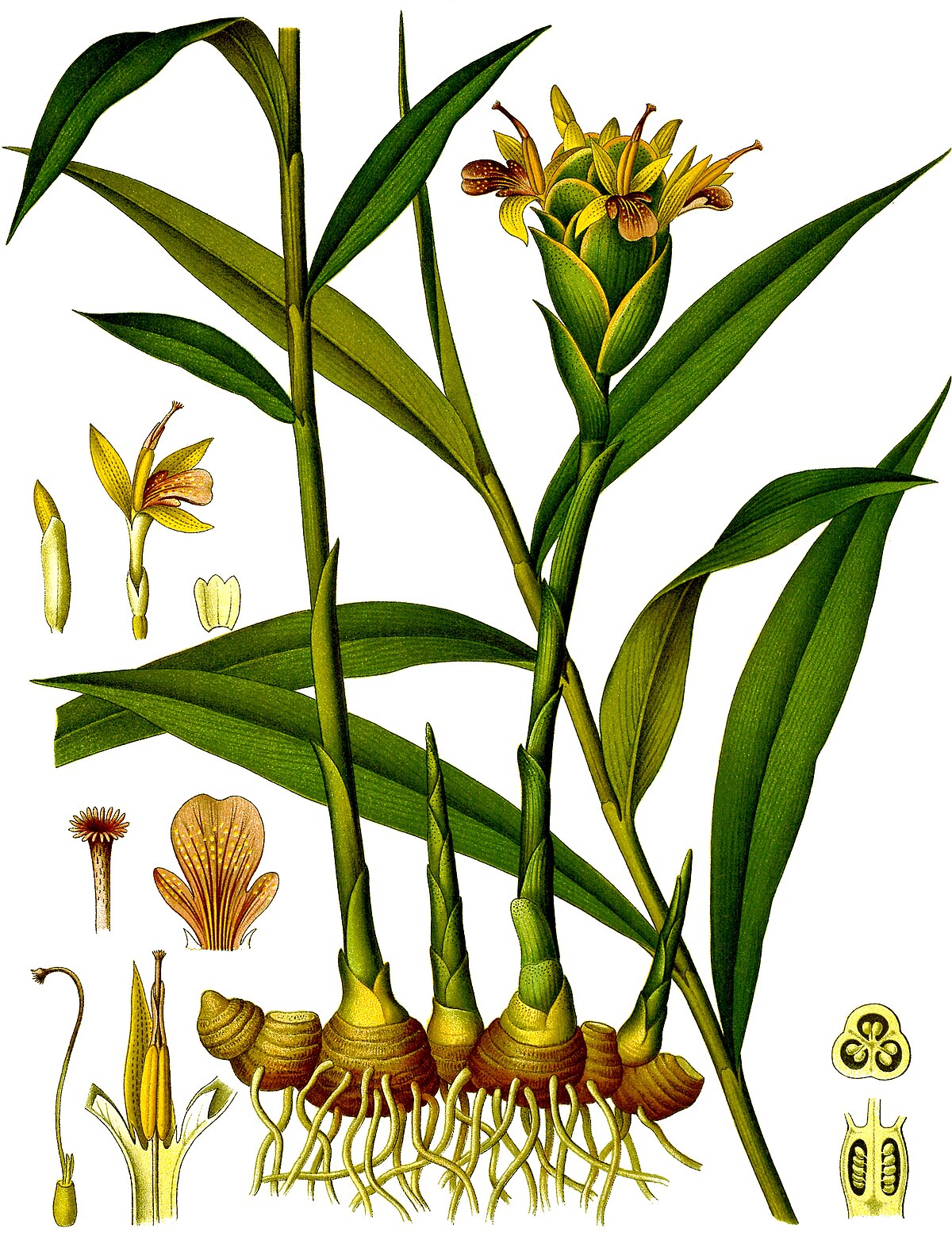

Other Names of Ginger

  • Ginger Root
  • Zanjabil
  • Sheng Jiang
  • Ingwer
  • Gingembre
Koeh-146-no text

Benefits of Adrak (Ginger)

Heading

<h3> Absolute Contraindications of Adrak (Ginger) </h3> <h4> Known bleeding disorders or concurrent use of anticoagulants (e.g., warfarin) [If you have a bleeding disorder or take blood thinners]</h4> <ul> <li>🩸</li> <li>Recommendation: Avoid high-dose ginger supplements and tell your prescribing clinician if you use ginger regularly; monitor INR if on warfarin and consider stopping concentrated ginger before procedures.</li> <li>Reasoning: Ginger contains constituents that can inhibit platelet aggregation and thromboxane synthesis; while clinical results vary, population analyses link ginger use with increased bleeding events in anticoagulated patients, so combined use raises bleeding risk.</li> <li>Scientific_Study_Title: Risk of warfarin-related bleeding events and supratherapeutic international normalized ratios associated with complementary and alternative medicine: a longitudinal analysis</li> <li>Scientific_Study_Authors: Valiquette L, et al.</li> <li>Scientific_Study_Link: https://pubmed.ncbi.nlm.nih.gov/17723077/</li> <li>Scientific_Study_Excerpt: <p>Paraphrase: In a longitudinal study of warfarin users who recorded complementary medicine use and bleeding events, ginger was associated with higher self-reported bleeding and with a greater likelihood of supratherapeutic INR values. The analysis found that patients reporting ginger use had increased odds of bleeding compared with those not reporting such complementary therapies, suggesting a clinically relevant interaction between ginger and anticoagulation in real-world use.</p> </li> </ul> <h4> Active gallstones / symptomatic cholelithiasis [If you have known gallstones or recent gallbladder colic]</h4> <ul> <li>🪨</li> <li>Recommendation: Do not use concentrated ginger preparations without physician supervision if you have diagnosed gallstones; discuss safer, supervised approaches with your clinician.</li> <li>Reasoning: Traditional and regulatory monographs advise caution because ginger stimulates bile flow and gallbladder contraction (a cholagogue effect); in people with obstructive stones this can precipitate biliary colic.</li> <li>Scientific_Study_Title: Ginger - monograph summarising traditional/regulatory guidance (Commission E / herbal monograph summaries)</li> <li>Scientific_Study_Authors: Commission E summary (as compiled in clinical herbal monographs)</li> <li>Scientific_Study_Link: https://clinicalgate.com/g-5/</li> <li>Scientific_Study_Excerpt: <p>Paraphrase: Authoritative herbal compendia summarise Commission E guidance noting that ginger may be contraindicated in patients with gallstones or biliary obstruction unless under supervision. The monograph explains that because ginger can stimulate bile flow and gallbladder contraction, it may trigger pain or complications if stones are present.</p> </li> </ul> <h4> Within two weeks before elective surgery [If surgery is scheduled soon]</h4> <ul> <li>⚠️</li> <li>Recommendation: Stop concentrated ginger supplements 7-14 days before planned surgery (confirm exact timing with your surgeon or anesthesiologist).</li> <li>Reasoning: Given ginger’s potential antiplatelet effects and case reports linking herbal use to perioperative bleeding, guidelines commonly advise discontinuing herbal products that might increase bleeding risk before procedures.</li> <li>Scientific_Study_Title: Ginger Root - clinical summary and perioperative cautions (statpearls / clinical overview)</li> <li>Scientific_Study_Authors: StatPearls authors (NCBI Bookshelf)</li> <li>Scientific_Study_Link: https://www.ncbi.nlm.nih.gov/books/NBK565886/</li> <li>Scientific_Study_Excerpt: <p>Paraphrase: Clinical overviews advise caution around surgery because ginger can affect bleeding and cardiovascular parameters; the recommendation is to stop high-dose ginger supplements ahead of elective operations to reduce perioperative bleeding risk and hemodynamic interactions.</p> </li> </ul> <h3> Relative Contraindications of Adrak (Ginger) </h3> <h4> Diabetes treated with glucose-lowering drugs [If you take insulin or oral hypoglycemics]</h4> <ul> <li>🍭</li> <li>Recommendation: If you have diabetes, discuss ginger supplements with your diabetes provider; monitor blood glucose more closely after starting ginger, as doses used in trials can lower glucose modestly.</li> <li>Reasoning: Multiple clinical trials and meta-analyses show ginger can reduce fasting glucose and HbA1c modestly, so combined use with antidiabetic drugs may increase the chance of hypoglycemia.</li> <li>Scientific_Study_Title: Effects of Ginger (Zingiber officinale Roscoe) on Type 2 Diabetes and Components of the Metabolic Syndrome: A Systematic Review and Meta-Analysis</li> <li>Scientific_Study_Authors: Mozaffari-Khosravi H, et al.</li> <li>Scientific_Study_Link: https://pubmed.ncbi.nlm.nih.gov/29541142/</li> <li>Scientific_Study_Excerpt: <p>Paraphrase: The meta-analysis pooled randomized trials and found that ginger supplementation produced significant improvements in glycemic markers (including fasting blood glucose and HbA1c) and some metabolic parameters; these effects, although modest, indicate a biological potential for additive glucose-lowering when combined with antidiabetic drugs.</p> </li> </ul> <h4> People taking antihypertensive medications [If you take blood pressure drugs]</h4> <ul> <li>🫀</li> <li>Recommendation: Use ginger cautiously and check blood pressure after starting higher-dose ginger supplements; consult your clinician if you notice dizziness or low readings.</li> <li>Reasoning: Meta-analyses report small but statistically significant reductions in systolic and diastolic blood pressure with ginger supplementation, so additive hypotensive effects are possible when combined with blood pressure medicines.</li> <li>Scientific_Study_Title: The effect of ginger supplementation on metabolic profiles in patients with type 2 diabetes mellitus: a systematic review and meta-analysis</li> <li>Scientific_Study_Authors: Asadi S, et al.</li> <li>Scientific_Study_Link: https://pubmed.ncbi.nlm.nih.gov/35031435/</li> <li>Scientific_Study_Excerpt: <p>Paraphrase: This meta-analysis of randomized trials in metabolic patients reported modest reductions in systolic and diastolic blood pressure after ginger supplementation. While clinical significance varies, the data indicate ginger can lower BP and therefore could interact additively with antihypertensive drugs.</p> </li> </ul> <h4> Pregnancy (consultation advised) [If you are pregnant or planning pregnancy]</h4> <ul> <li>🤰</li> <li>Recommendation: For mild-moderate nausea many guidelines allow limited ginger use (short courses, low dose), but discuss with your obstetrician-avoid high concentrated doses without supervision.</li> <li>Reasoning: Randomized trials in early pregnancy show ginger reduces nausea and appears safe at commonly studied doses (up to ~1 g/day) for short periods, but clinicians commonly advise caution and individual risk assessment (history of bleeding or miscarriage).</li> <li>Scientific_Study_Title: Effectiveness and safety of ginger in the treatment of pregnancy-induced nausea and vomiting - systematic review of RCTs</li> <li>Scientific_Study_Authors: Vutyavanich T, et al. (and related RCTs)</li> <li>Scientific_Study_Link: https://pubmed.ncbi.nlm.nih.gov/15802416/</li> <li>Scientific_Study_Excerpt: <p>Paraphrase: A systematic review of randomized trials concluded ginger may be effective for pregnancy-related nausea with no clear signal of adverse pregnancy outcomes in the reviewed trials; however, trial durations and doses were limited and authors call for larger safety studies, so clinical supervision is recommended.</p> </li> </ul>

Heading

<h4> Digestive upset (heartburn, stomach pain, diarrhea)</h4> <ul> <li>🤢</li> <li>Side effect summary: Some people-especially when taking higher doses-experience heartburn, belching, abdominal discomfort or loose stools.</li> <li>Recommendation: Reduce dose or stop if symptoms occur; take ginger with food or prefer culinary amounts; seek medical advice if severe or persistent.</li> <li>Reasoning: Gastrointestinal irritation is the most commonly reported adverse effect in clinical summaries and regulatory monographs for ginger products.</li> <li>Severity Level: Mild</li> <li>Scientific_Study_Available: Yes</li> <li>Scientific_Study_Title: Zingiberis rhizoma - herbal medicinal product (European Medicines Agency monograph)</li> <li>Scientific_Study_Authors: HMPC / EMA assessment group</li> <li>Scientific_Study_Link: https://www.ema.europa.eu/en/medicines/herbal/zingiberis-rhizoma</li> <li>Scientific_Study_Excerpt: <p>Paraphrase: The EMA herbal monograph lists gastrointestinal complaints-stomach upset, eructation (belching), dyspepsia and occasional nausea-as the most common adverse events with ginger preparations, and advises appropriate dosing and monitoring for GI side effects.</p> </li> </ul> <h4> Increased bleeding tendency (easy bruising, prolonged bleeding)</h4> <ul> <li>🩹</li> <li>Side effect summary: In susceptible people or those on anticoagulant/antiplatelet drugs, ginger may increase bleeding risk or cause easier bruising.</li> <li>Recommendation: Avoid high-dose ginger supplements if you have bleeding risks or are on blood thinners; discuss with your clinician and monitor labs (eg INR) if needed.</li> <li>Reasoning: Epidemiologic and clinical data suggest a link between ginger use and bleeding events in anticoagulated populations; lab studies show dose-dependent inhibition of platelet aggregation.</li> <li>Severity Level: Moderate</li> <li>Scientific_Study_Available: Yes</li> <li>Scientific_Study_Title: Risk of warfarin-related bleeding events and supratherapeutic international normalized ratios associated with complementary and alternative medicine: a longitudinal analysis</li> <li>Scientific_Study_Authors: Valiquette L, et al.</li> <li>Scientific_Study_Link: https://pubmed.ncbi.nlm.nih.gov/17723077/</li> <li>Scientific_Study_Excerpt: <p>Paraphrase: In this longitudinal analysis, users of complementary medicines including ginger self-reported bleeding more often and had more supratherapeutic INRs while on warfarin; the findings suggest a clinically relevant association between ginger use and increased bleeding tendency in anticoagulated patients.</p> </li> </ul> <h4> Potential for low blood sugar (dizziness, sweating) when combined with diabetes drugs</h4> <ul> <li>🩺</li> <li>Side effect summary: Ginger can modestly lower blood glucose; combined with diabetes medications it can increase the chance of hypoglycemia symptoms like dizziness or sweating.</li> <li>Recommendation: Monitor glucose more often when starting ginger supplements and adjust diabetes medications only under clinician guidance.</li> <li>Reasoning: Multiple randomized trials and meta-analyses report small but significant reductions in fasting glucose and HbA1c with ginger supplementation, indicating a real metabolic effect.</li> <li>Severity Level: Mild to Moderate</li> <li>Scientific_Study_Available: Yes</li> <li>Scientific_Study_Title: Effects of Ginger on Type 2 Diabetes Mellitus and Components of the Metabolic Syndrome: A Systematic Review and Meta-Analysis</li> <li>Scientific_Study_Authors: Mozaffari-Khosravi H, et al.</li> <li>Scientific_Study_Link: https://pubmed.ncbi.nlm.nih.gov/29541142/</li> <li>Scientific_Study_Excerpt: <p>Paraphrase: The meta-analysis of randomized controlled trials found that ginger supplementation improved glycemic indices (including fasting blood glucose and HbA1c) in people with metabolic disorders, which supports the need to monitor for additive glucose-lowering when used alongside antidiabetic therapy.</p> </li> </ul>

Heading

<h4> Anticoagulants (e.g., warfarin)</h4> <ul> <li>Interaction_Details: Ginger can inhibit platelet aggregation and has been associated with bleeding reports and supratherapeutic INR when used alongside warfarin in some observational studies.</li> <li>Severity: Moderate</li> <li>Recommendation: Avoid high-dose ginger supplements when on warfarin; if used, inform your clinician and increase INR monitoring. Do not stop prescribed anticoagulant therapy without clinician advice.</li> <li>Scientific_Study_Available: Yes</li> <li>Scientific_Study_Link: https://pubmed.ncbi.nlm.nih.gov/17723077/</li> <li>Scientific_Study_Title: Risk of warfarin-related bleeding events and supratherapeutic international normalized ratios associated with complementary and alternative medicine: a longitudinal analysis</li> <li>Scientfic_Study_Authors: Valiquette L, et al.</li> <li>Scientific_Study_Excerpt: <p>Paraphrase: The longitudinal analysis found that patients using complementary and alternative medicines-among them ginger-reported more bleeding events and had a higher likelihood of elevated INRs while on warfarin. The study highlights that concurrent use of certain herbal products may affect warfarin control and bleeding risk, warranting close monitoring.</p> </li> </ul> <h4> Antiplatelet agents (aspirin, clopidogrel)</h4> <ul> <li>Interaction_Details: Ginger’s constituents may reduce platelet aggregation; when combined with antiplatelet drugs the effect may be additive, increasing bleeding risk in some people.</li> <li>Severity: Moderate</li> <li>Recommendation: Use caution combining concentrated ginger supplements with antiplatelet therapy; discuss with your prescriber and monitor for bleeding signs.</li> <li>Scientific_Study_Available: Yes</li> <li>Scientific_Study_Link: https://pubmed.ncbi.nlm.nih.gov/26488162/</li> <li>Scientific_Study_Title: The Effect of Ginger (Zingiber officinale) on Platelet Aggregation: A Systematic Literature Review</li> <li>Scientfic_Study_Authors: Marx W, McKavanagh D, McCarthy AL, Bird R, Ried K, Chan A, Isenring L.</li> <li>Scientific_Study_Excerpt: <p>Paraphrase: This systematic review of clinical and observational studies found mixed results-some trials reported reduced platelet aggregation with ginger and others found no effect-suggesting dose, preparation and individual variability influence outcomes; nonetheless, the biological potential for antiplatelet effect supports clinical caution when co-administered with antiplatelet drugs.</p> </li> </ul> <h4> Antidiabetic drugs (insulin, metformin, sulfonylureas)</h4> <ul> <li>Interaction_Details: Ginger can lower fasting glucose and HbA1c modestly; co-use with antidiabetic medicines could increase hypoglycemia risk if doses are not monitored.</li> <li>Severity: Mild</li> <li>Recommendation: Inform your diabetes care team before starting ginger supplements; monitor blood glucose and symptoms closely and adjust medications only with clinician guidance.</li> <li>Scientific_Study_Available: Yes</li> <li>Scientific_Study_Link: https://pubmed.ncbi.nlm.nih.gov/29541142/</li> <li>Scientific_Study_Title: Effects of Ginger (Zingiber officinale Roscoe) on Type 2 Diabetes Mellitus and Components of the Metabolic Syndrome: A Systematic Review and Meta-Analysis of Randomized Controlled Trials</li> <li>Scientfic_Study_Authors: Mozaffari-Khosravi H, et al.</li> <li>Scientific_Study_Excerpt: <p>Paraphrase: The meta-analysis pooled randomized trials and reported significant reductions in fasting glucose and HbA1c with ginger supplementation in metabolic patients, indicating ginger has measurable glucose-lowering effects that could augment prescription antidiabetic therapy unless monitored.</p> </li> </ul> <h4> Antihypertensive medications (ACE inhibitors, calcium-channel blockers, diuretics)</h4> <ul> <li>Interaction_Details: Ginger supplementation has been associated with small reductions in systolic and diastolic blood pressure in trials; combined effects with antihypertensives may enhance hypotensive response.</li> <li>Severity: Mild</li> <li>Recommendation: Monitor blood pressure after starting ginger supplements; if symptomatic hypotension or large drops occur, consult your clinician for medication review.</li> <li>Scientific_Study_Available: Yes</li> <li>Scientific_Study_Link: https://pubmed.ncbi.nlm.nih.gov/35031435/</li> <li>Scientific_Study_Title: The effect of ginger supplementation on metabolic profiles in patients with type 2 diabetes mellitus: A systematic review and meta-analysis</li> <li>Scientfic_Study_Authors: Asadi S, et al.</li> <li>Scientific_Study_Excerpt: <p>Paraphrase: In pooled analyses of randomized trials, ginger supplementation produced modest reductions in systolic and diastolic blood pressure among metabolic patients; while changes are small, they suggest a physiologic blood-pressure lowering effect that could be additive with antihypertensive drugs.</p> </li> </ul> <!-- End of document -->