Abhrak
Biotite
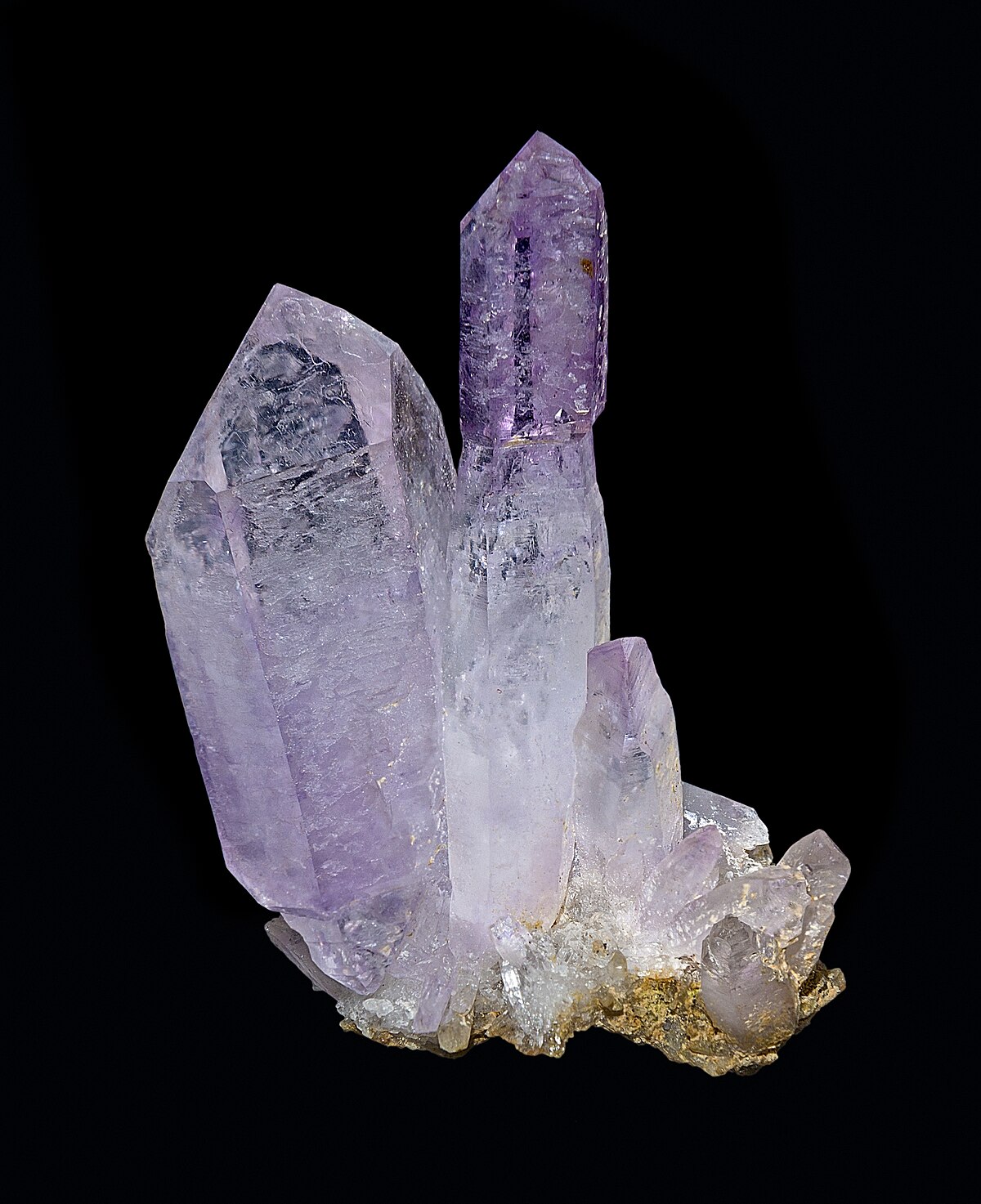
Abhrak (Mica) is a prominent mineral in Ayurveda, typically used in its purified form (Bhasma). It is widely prevalent in Ayurvedic formulations, often claimed to support respiratory health, promote longevity, and balance all three doshas. Its intricate preparation highlights its significance in traditional practices.
AYURVEDIC ACTION
Vata ↓, Pitta ↓, Kapha ↑
ACTIVE COMPOUNDS
Biotite (mica)
What is Abhrak?
Abhrak, also known as Mica, is a naturally occurring mineral composed of various silicates. In traditional Ayurvedic medicine, it undergoes a complex purification process called Shodhana and Marana to transform it into a fine, black ash (Bhasma). This processed form is then used in various formulations, believed to possess therapeutic properties for a wide range of ailments.
Other Names of Abhrak
- Mica
- Bhasma
- Bhraka
- Gaganabhra
Heading
<h3> Absolute Contraindications of Abhrak </h3> <h4>Known active liver disease (acute hepatitis, cirrhosis) [If you have diagnosed liver problems]</h4> <ul> <li> 🍷</li> <li> Recommendation: Avoid taking Abhrak bhasma until your liver condition is assessed and you discuss it with a physician experienced in both liver disease and traditional medicines.</li> <li> Reasoning: Recent experimental toxicity work with a standardized Abhrak preparation showed dose-dependent, reversible liver injury at mid-to-high doses in animals; this indicates Abhrak (or some preparations) can stress or injure the liver when used inappropriately or at higher-than-therapeutic doses.</li> <li> Scientific_Study_Title: Toxicity profile of standardized Krishna Vajra Abhraka bhasma made from biotite mica</li> <li> Scientific_Study_Authors: Vijaya Anil Pandit, Sharwan Kumar Singhal, Gourav Bharat Deshmane, Ranjana Ajit Sahasrabuddhe, Manjiri Neelkanth Karandikar, Madhuri Sadashiv Pawar, Vishakha Sumant Kulkarni, Jayshree Shriram Dawane, Asmita Ashish Wele</li> <li> Scientific_Study_Link: https://pubmed.ncbi.nlm.nih.gov/39616794/</li> <li> Scientific_Study_Excerpt: <p>The authors performed acute and subacute toxicity testing of Krishna Vajra Abhraka Bhasma (KVB) in Wistar rats. Acute dosing (2000 mg/kg) showed no mortality, but subacute exposure at medium and high doses produced reversible, dose-dependent hepatotoxicity detected biochemically and by histopathology, while low therapeutic doses were not associated with liver injury. The study concludes that although KVB behaved as low-toxicity in acute settings, mid and high doses induced liver changes consistent with drug-induced hepatotoxicity, supporting careful dosing and monitoring in practice.</p> </li> </ul> <h4>Products of unknown source / unregulated Abhrak or bhasma (risk of heavy metal contamination) [If product is unlabeled or imported from unknown source]</h4> <ul> <li> ⚠️</li> <li> Recommendation: Do not use bhasma/metal-containing Ayurvedic products of unknown provenance; only use products from tested, licensed manufacturers and tell your doctor about any such supplement.</li> <li> Reasoning: Analyses of many Ayurvedic (including rasa shastra) products sold online or without strict quality control have found detectable and sometimes high levels of lead, mercury or arsenic; such contamination can cause serious systemic toxicity if taken repeatedly.</li> <li> Scientific_Study_Title: Lead, mercury, and arsenic in US- and Indian-manufactured Ayurvedic medicines sold via the Internet</li> <li> Scientific_Study_Authors: Robert B Saper, Russell S Phillips, Anusha Sehgal, Nadia Khouri, Roger B Davis, Janet Paquin, Venkatesh Thuppil, Stefanos N Kales</li> <li> Scientific_Study_Link: https://pubmed.ncbi.nlm.nih.gov/18728265/</li> <li> Scientific_Study_Excerpt: <p>In a randomized sample of Ayurvedic products purchased over the Internet, approximately one-fifth of medicines contained detectable toxic metals (lead, mercury, arsenic). Rasa shastra products had a higher prevalence and higher median concentrations of these metals. The study found metal concentrations that could lead to exposures exceeding recommended daily limits, and concluded that many available products may pose a risk of toxic metal ingestion when used as directed.</p> </li> </ul> <h4>Infants, young children, and breastfeeding mothers when using unverified preparations [If you are pregnant, breastfeeding or giving to a child]</h4> <ul> <li> 👶🤱</li> <li> Recommendation: Avoid use in infants, young children, and breastfeeding mothers unless the specific product has been tested and cleared by reliable quality control and your care team has approved it.</li> <li> Reasoning: Regulatory and public-health agencies have documented cases where Ayurvedic products (including mineral-containing ones) raised blood lead or arsenic in children and adults; young children and breastfeeding infants are especially vulnerable to metal exposure and developmental harm.</li> <li> Scientific_Study_Title: FDA warning: heavy metal poisoning associated with certain unapproved ayurvedic drug products</li> <li> Scientific_Study_Authors: U.S. Food and Drug Administration (advisory)</li> <li> Scientific_Study_Link: https://www.fda.gov/drugs/information-consumers-and-patients-drugs/fda-warns-about-heavy-metal-poisoning-associated-certain-unapproved-ayurvedic-drug-products</li> <li> Scientific_Study_Excerpt: <p>The FDA reviewed reports and literature and identified cases where Ayurvedic products were associated with increased blood levels of lead and arsenic in patients from newborn to older adults. Children’s blood lead levels were reported up to many times higher than acceptable thresholds. The advisory warns that unapproved ayurvedic drug products may contain harmful heavy metals, that labels may not disclose these, and that such exposures can cause serious health effects including neurologic and renal injury, especially in children and nursing infants.</p> </li> </ul> <h3> Relative Contraindications of Abhrak </h3> <h4>Concurrent use of known hepatotoxic medications (e.g., high-dose acetaminophen, isoniazid) [If you are taking drugs that affect the liver]</h4> <ul> <li> 🧪</li> <li> Recommendation: Use cautiously - consult your prescriber before starting Abhrak; frequent liver tests may be advised if combined therapy is considered.</li> <li> Reasoning: Case reports and experimental work indicate bhasma preparations have been associated with liver injury in some situations; adding Abhrak to another hepatotoxic drug could increase risk or complicate detection of the responsible agent.</li> <li> Scientific_Study_Title: Ayurveda metallic-mineral 'Bhasma'-associated severe liver injury (case report)</li> <li> Scientific_Study_Authors: Cyriac Abby Philips, Rajaguru Paramaguru, Philip Augustine</li> <li> Scientific_Study_Link: https://pubmed.ncbi.nlm.nih.gov/29960971/</li> <li> Scientific_Study_Excerpt: <p>This case report describes a patient who developed severe liver injury requiring consideration for liver transplantation after consumption of a Bhasma product. Toxicology confirmed problematic metal content in the preparation, and histology showed extensive periportal and perivenular necrosis with cholestasis and inflammation. The report warns clinicians to consider Bhasma use as a possible cause of unexplained severe liver injury.</p> </li> </ul> <h4>Iron-overload conditions (e.g., hereditary hemochromatosis) [If you have diagnosed iron overload]</h4> <ul> <li> 🩸</li> <li> Recommendation: Avoid routine use unless a specialist confirms the product’s elemental composition and advises it is safe for you.</li> <li> Reasoning: Analytical studies of processed biotite show formation of iron oxides and soluble iron species during heat treatment; formulations can therefore contribute bioavailable iron/cations which could aggravate iron-overload disorders if taken chronically.</li> <li> Scientific_Study_Title: Characterization of biotite drugs used in traditional medicine</li> <li> Scientific_Study_Authors: Apsara Wijenayake, Amarasooriya Pitawala, Ratnayake Bandara, Charmalie Abayasekara</li> <li> Scientific_Study_Link: https://pubmed.ncbi.nlm.nih.gov/32760827/</li> <li> Scientific_Study_Excerpt: <p>The authors characterized heat-treated biotite and traditional products (including Abhrak bhasma) and found thermal processing produced nanoparticles of crystalline and amorphous iron oxides and secondary silicates, and increased water-soluble cation concentrations. These findings indicate processed biotite can contain bioavailable iron species formed during manufacturing, which has implications for individuals with disorders of iron metabolism.</p> </li> </ul> <h4>Autoimmune disease or patients on immunosuppressants (relative caution) [If your immune system is suppressed or you are taking immune-modifying drugs]</h4> <ul> <li> ⚕️</li> <li> Recommendation: Discuss with your specialist before using Abhrak; monitor disease activity closely if used.</li> <li> Reasoning: Abhrak preparations can modulate cytokine responses and immune cell infiltration in preclinical models. While this can be beneficial in inflammatory respiratory disease, unpredictable immune modulation could affect autoimmune disease control or interact with immunosuppressive therapy.</li> <li> Scientific_Study_Title: Biotite-Calx Based Traditional Indian Medicine Sahastraputi-Abhrak-Bhasma Prophylactically Mitigates Allergic Airway Inflammation in a Mouse Model of Asthma by Amending Cytokine Responses</li> <li> Scientific_Study_Authors: Acharya Balkrishna, Siva Kumar Solleti, Hoshiyar Singh, Rani Singh, Niti Sharma, Anurag Varshney</li> <li> Scientific_Study_Link: https://pubmed.ncbi.nlm.nih.gov/34557016/</li> <li> Scientific_Study_Excerpt: <p>In a mouse model of allergic asthma, oral Sahastraputi-Abhrak-Bhasma reduced allergen-induced leukocyte infiltration, decreased cytokines such as IL-5, IL-13, IL-6 and TNF-α, and restored antioxidant markers. The preparation also modulated NF-κB/AP-1 pathway activity in vitro. These immune effects suggest Abhrak formulations can change cytokine balances and inflammatory cell profiles - a reason for caution when immune status or immunotherapy is a concern.</p> </li> </ul>
Heading
<h4>Liver injury / elevated liver enzymes</h4> <ul> <li> 🍵</li> <li> Side effect summary: Some standardized Abhrak preparations caused reversible liver injury at moderate and high doses in animal studies; symptoms in humans (from case reports) can include jaundice, abdominal pain and laboratory liver enzyme elevations.</li> <li> Recommendation: Stop the product if you notice jaundice, dark urine, severe fatigue or abdominal pain and consult a physician immediately. Routine monitoring of liver tests may be advised if long-term use is planned.</li> <li> Reasoning: Experimental animal data and clinical case reports indicate hepatotoxic potential from certain bhasma formulations, particularly when dosing is excessive, product quality is uncertain, or in vulnerable patients.</li> <li> Severity Level: Moderate</li> <li> Scientific_Study_Available: Yes</li> <li> Scientific_Study_Title: Toxicity profile of standardized Krishna Vajra Abhraka bhasma made from biotite mica</li> <li> Scientific_Study_Authors: Vijaya Anil Pandit, Sharwan Kumar Singhal, Gourav Bharat Deshmane, et al.</li> <li> Scientific_Study_Link: https://pubmed.ncbi.nlm.nih.gov/39616794/</li> <li> Scientific_Study_Excerpt: <p>Subacute toxicity testing of Krishna Vajra Abhraka Bhasma (KVB) in rats revealed no mortality at an acute limit dose, but medium and high subacute doses produced reversible, dose-dependent hepatotoxicity evident on biochemical and histopathological evaluation. Low therapeutic doses were not associated with liver injury in the study, and the authors emphasised careful dose selection and monitoring when using such preparations clinically.</p> </li> </ul> <h4>Heavy metal poisoning from contaminated/unverified products (lead, mercury, arsenic)</h4> <ul> <li> ☠️</li> <li> Side effect summary: Some Ayurvedic and rasa-shastra products have been found to contain toxic metals; chronic ingestion can lead to lead or arsenic toxicity with neurological, gastrointestinal, renal and hematologic manifestations.</li> <li> Recommendation: Do not use products of unknown origin; if you have taken such a product and have symptoms (neuropathy, abdominal pain, weakness, developmental concerns in children), seek medical evaluation and testing for heavy metals.</li> <li> Reasoning: Systematic surveys and analyses of marketed Ayurvedic products demonstrate a measurable prevalence of toxic metals, sometimes at levels capable of producing clinical poisoning if used in recommended doses.</li> <li> Severity Level: Severe</li> <li> Scientific_Study_Available: Yes</li> <li> Scientific_Study_Title: Lead, mercury, and arsenic in US- and Indian-manufactured Ayurvedic medicines sold via the Internet</li> <li> Scientific_Study_Authors: Robert B Saper, Russell S Phillips, Anusha Sehgal, Nadia Khouri, Roger B Davis, Janet Paquin, Venkatesh Thuppil, Stefanos N Kales</li> <li> Scientific_Study_Link: https://pubmed.ncbi.nlm.nih.gov/18728265/</li> <li> Scientific_Study_Excerpt: <p>In a random sample of Ayurvedic products bought on the Internet, about 21% contained detectable lead, mercury, or arsenic. Rasa shastra (metal-containing) medicines had higher prevalence and higher concentrations of toxic metals. Among metal-containing products, most exceeded at least one standard for acceptable daily intake of toxic metals, indicating a risk for toxic exposures from some commercially available products.</p> </li> </ul>
Heading
<h4>Hepatotoxic drugs (e.g., isoniazid, methotrexate, high-dose acetaminophen)</h4> <ul> <li> Interaction_Details: Abhrak formulations have been associated with liver injury in case reports and animal studies; combining with known hepatotoxic drugs could increase overall liver risk, complicate causality assessment, and raise the chance of clinically important liver damage.</li> <li> Severity: Severe</li> <li> Recommendation: Avoid concurrent use without specialist oversight; if combined is unavoidable, perform baseline and periodic liver function monitoring and stop Abhrak if liver tests rise or symptoms develop.</li> <li> Scientific_Study_Available: Yes</li> <li> Scientific_Study_Link: https://pubmed.ncbi.nlm.nih.gov/29960971/</li> <li> Scientific_Study_Title: Ayurveda metallic-mineral 'Bhasma'-associated severe liver injury</li> <li> Scientfic_Study_Authors: Cyriac Abby Philips, Rajaguru Paramaguru, Philip Augustine</li> <li> Scientific_Study_Excerpt: <p>This BMJ Case Report details a patient who developed severe, acute liver injury after consuming a Bhasma product; toxicology revealed problematic metal content in the product and liver histology showed extensive periportal and perivenular necrosis with marked cholestasis and inflammation. The report highlights that Bhasma can be a cause of acute severe liver injury and urges clinicians to consider such products when evaluating unexplained liver damage.</p> </li> </ul> <h4>Oral iron or iron-containing supplements</h4> <ul> <li> Interaction_Details: Processed biotite products can contain iron oxides and water-soluble cations created during thermal processing; co-administration with supplemental iron could produce additive iron exposure in susceptible patients.</li> <li> Severity: Mild</li> <li> Recommendation: If you are on iron therapy or have conditions that affect iron, check the elemental composition of the specific Abhrak product and consult your clinician before combining; monitor iron indices if needed.</li> <li> Scientific_Study_Available: Yes</li> <li> Scientific_Study_Link: https://pubmed.ncbi.nlm.nih.gov/32760827/</li> <li> Scientific_Study_Title: Characterization of biotite drugs used in traditional medicine</li> <li> Scientfic_Study_Authors: Apsara Wijenayake, Amarasooriya Pitawala, Ratnayake Bandara, Charmalie Abayasekara</li> <li> Scientific_Study_Excerpt: <p>The study showed that thermal processing of biotite (the source material for Abhrak) produces nanoparticles of crystalline and amorphous iron oxides and increases water-soluble cation concentrations. This indicates that processed biotite products can contribute bioavailable iron species, which is relevant to co-administration with iron supplements or in conditions of iron dysregulation.</p> </li> </ul> <h4>Immunomodulators or immunosuppressants (e.g., biologics, systemic corticosteroids) - theoretical interaction</h4> <ul> <li> Interaction_Details: Abhrak preparations can modify cytokine patterns and inflammatory cell infiltration in experimental models; this immune modulation could theoretically alter the effects of immunosuppressive or immunostimulatory drugs.</li> <li> Severity: Moderate</li> <li> Recommendation: Discuss with your treating specialist before combining Abhrak with immune-active therapies; close monitoring of disease activity and therapy response is recommended.</li> <li> Scientific_Study_Available: Yes</li> <li> Scientific_Study_Link: https://pubmed.ncbi.nlm.nih.gov/34557016/</li> <li> Scientific_Study_Title: Biotite-Calx Based Traditional Indian Medicine Sahastraputi-Abhrak-Bhasma Prophylactically Mitigates Allergic Airway Inflammation in a Mouse Model of Asthma by Amending Cytokine Responses</li> <li> Scientfic_Study_Authors: Acharya Balkrishna, Siva Kumar Solleti, Hoshiyar Singh, Rani Singh, Niti Sharma, Anurag Varshney</li> <li> Scientific_Study_Excerpt: <p>In a mouse model of allergic asthma, oral SPAB (an Abhrak preparation) reduced leukocyte infiltration and lowered a panel of pro-inflammatory cytokines (IL-5, IL-13, IL-1β, IL-6, TNF-α) while restoring antioxidant markers; in vitro data showed attenuation of NF-κB/AP-1 signalling. These findings demonstrate that Abhrak can modulate immune pathways, which is why co-administration with immune-targeted drugs should be approached cautiously.</p> </li> </ul>